Recent News

Rearming the Depths: How Canada Is Reclaiming Undersea Sovereignty

Canada’s $60B+ Canadian Patrol Submarine Project marks a turning point in Arctic defence and strategic autonomy. This piece coauthored by Emma Zhang and Sanam Singh examines whether the procurement can restore under-ice capability and deliver long-term industrial and geopolitical returns.

A SAFEr Bet for Canada? How the €150-Billion SAFE Program Is Pulling Ottawa Closer to Europe

Russian Drones in Europe: New Tools of Hybrid Warfare

Canada’s $200 million aid package to Ukraine: Geopolitical and Domestic Implications

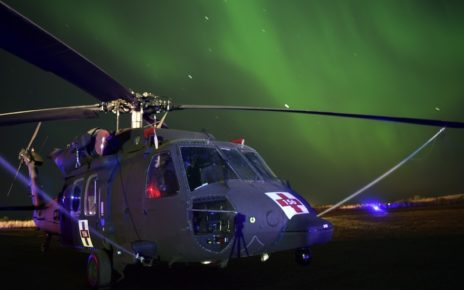
On the Ground and in the Air: Canada’s Defining Role in NATO’s Military Healthcare

Coalitions of the Willing: Minilateralism and Maritime Security in the Indo-Pacific 

Why is minilateralism viewed as the normative security model by states in the Indo-Pacific? What challenges can multilateralism face within the region, and how can minilateralism circumvent them? In this article, Karissa Cruz highlights why the postcolonial context from which much of the region emerged can create limits for NATO-style security cooperation, and why minilateralism has emerged as the primary framework. 

The New Japan: Navigating Nationalist Politics and its Global Implications 

Democracy, Discontent, and the Digital Age: Lessons from Nepal for the World

From Kyiv to Taipei: Why the Russian-Ukrainian War Matters in the Indo-Pacific

The Philippines at a Crossroads: Domestic Politics and NATO’s Indo-Pacific Challenges 

What Canada Can Learn About the Whole-of-Society Approach to Civil Defence

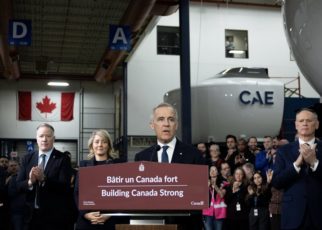
In November 2025, the Canadian Armed Forces (CAF) unveiled a plan for expanding the Supplementary Reserve force from 4,384 personnel to 300,000. In doing so, the CAF aims to create a civil defence corps out of the Supplementary Reserve. The Supplementary Reserve is distinct from the larger Primary Reserve, which is made up of part-time Read More…

Should CANZUK be a Goal for Canada? 

Canada’s Military Assistance to Ukraine in 2025: Key Trends

Who Decides the Rules? NATO, Air Defence, and Russian Drone Incursions in Europe

If Knowledge Is Power, Then Shared Knowledge Is Lethal: The Story of the Five Eyes

An Intersectional Lens on Meaningful Engagement, Participation, and Decision-Making Roles of Women in Combatting and Preventing Violent Extremism

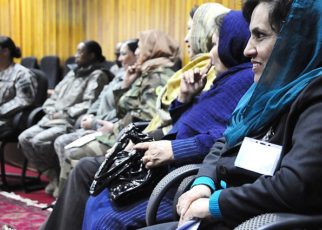
Muskaan Waraich explores how addressing violent extremism requires a multifaceted lens: physical, social, political, economic, and cultural factors that all can play a role. She examines the roles women play in extremist activities, both as victims, perpetrators, and enablers, as well as in prevention. She argues that a gender-responsive lens is essential for understanding these dynamics and for designing more effective approaches to preventing violent extremism (PVE).

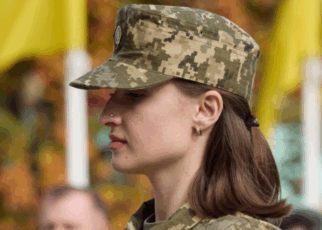
Women in Hybrid Warfare: NATO’s Next Challenge

Special Report: In All of Us Command: Rethinking Conscription Through a Gender-Inclusive Lens

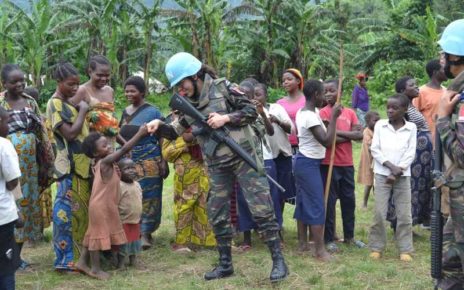
Sexual Violence as a Weapon of War: NATO’s Responsibility to Protect Women

Executing the Women, Peace & Security Agenda: Are International Human Rights Laws Able to Support NATO Commitments?

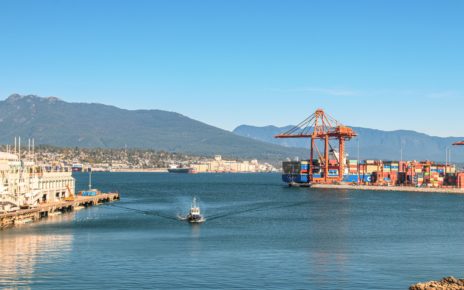
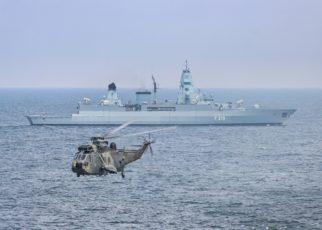
NATO at Sea and Canada’s Trade Lifelines 

As Canada explores ways to diversify its trade partners and deepen ties with Europe, more of daily life runs across the big blue Atlantic. Being a trading nation bordered by three oceans and entwined in long supply chains, the reliability of sea lines is essential to Canadian trade vitality. Roughly 80% of world trade by volume moves by sea, which means reliability of marine trade Read More…

Do Indices Decide Defence Financing More Than Laws Do?  

The Economics of Maritime Risk and its Impact on Prices  

Treating Freshwater as Strategic Capital For Canada’s Agri-food Reliability 

The Impossible Wall: Exposing Holes in European Strategy Against a Russian Drone Swarm.

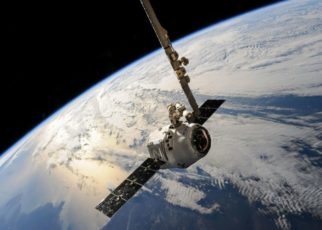
Canada’s Arctic Surveillance at Risk, Are Space Capabilities Enough to Defend Sovereignty?

The Arctic, a remote and expansive region, is heavily reliant on satellite surveillance to maintain domain awareness. As climate change accelerates, increased access to the region, along with its growing strategic and economic value, has drawn heightened interest from states such as Russia and China. The interests and activities of these actors raise security concerns Read More…

Canada Already Entered the Quantum Era: Is it Exposed or Ready for What Comes Next?

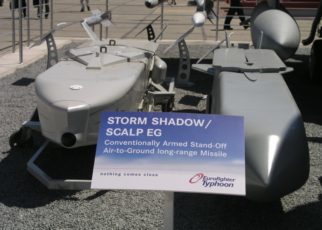
Europe’s Land-Based Intermediate-Range Strike Capability Gap

How state-sponsored cyber strategies are undermining Canada and the west

Leveraging Dual-Use Research to Strengthen Canada’s NATO Contribution

When Narratives Undermine Security: How Disinformation Shapes the Environment Around Canada’s Defence Decisions

Modern adversaries no longer need to cross borders to weaken Canada’s security. They focus instead on the environment in which defence decisions are made. Public trust, ideas about cost, and perceptions of Canada’s place in the world become strategic targets. When the informational space around defence policy is filled with confusion or mistrust, even the Read More…

What We Do Not Account For When Legislating Against Disinformation

Disinformation and Public Health in the Post-Pandemic Era: What COVID-19 Taught Canada and NATO About Resilience

The Culture of Distrust: : How AI Disinformation Exploits Polarization and Democracy

Canada at the Crossroads: Disinformation as a Domestic Security Challenge

Do we care less about climate change? Fighting to ‘save the world’ in the age of crisis overload

How are environmental issues currently being framed by policymakers and what does this say about shifting public and political priorities in an age of crisis overload? Climate action has previously dominated global headlines, and sparked major concern across the world. However, with competing global crises, it is clear that leaders must frame environmental policies in Read More…

Arctic Sovereignty and Geopolitical Competition

AI Data Centers: Is Canada Next?

POWER PLAY IN THE ARCTIC: PART 5 – Blueprint for Canadian Arctic Leadership

POWER PLAY IN THE ARCTIC: Part 4 – A New Partnership Model for Sovereignty in the High North

In this series, the NATO Association of Canada in partnership with the NATO Research Group out of the University of Toronto, explore issues related to security, prosperity, and the international rules-based order.

Subscribe to Our Newsletter

* indicates required
/ ( mm / dd )

Corporate Members

Special Publication

Special Publication

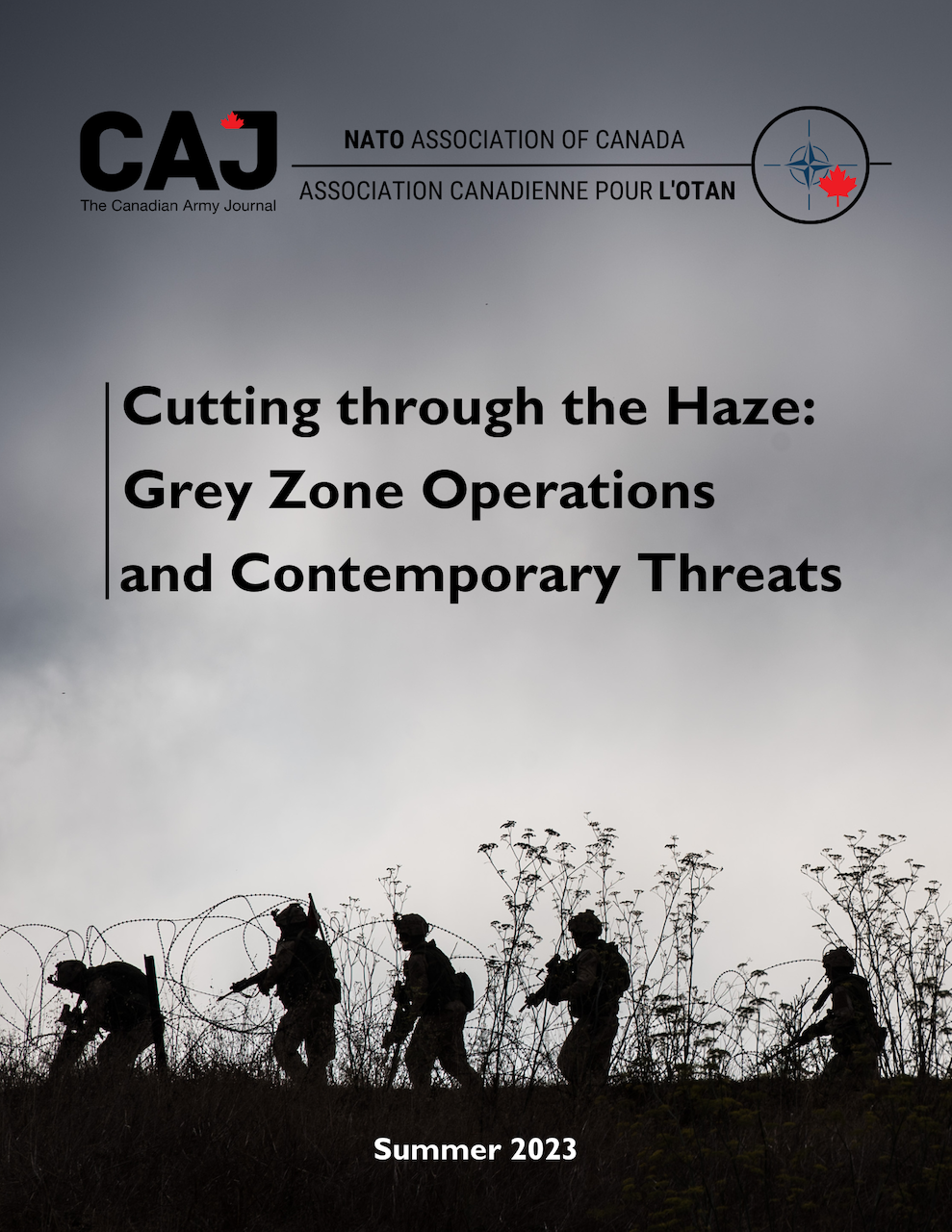
The NATO Association of Canada in partnership with the Canadian Army Journal (CAJ) announces the release of Cutting through the Haze: Grey Zone Operations and Contemporary Threats, eds. Christopher Maternowski and Aditi Malhotra (Summer 2023).

An inaugural collaboration between the NATO Association of Canada and the CAJ, this volume provides perspectives on issues relevant to grey zone operations and other topics from experts within the North American defence and security community. The volume emphasizes the growing importance of the grey zone and the role of defence innovation in grey zone and conventional operations.

Special Publication

Special Publication

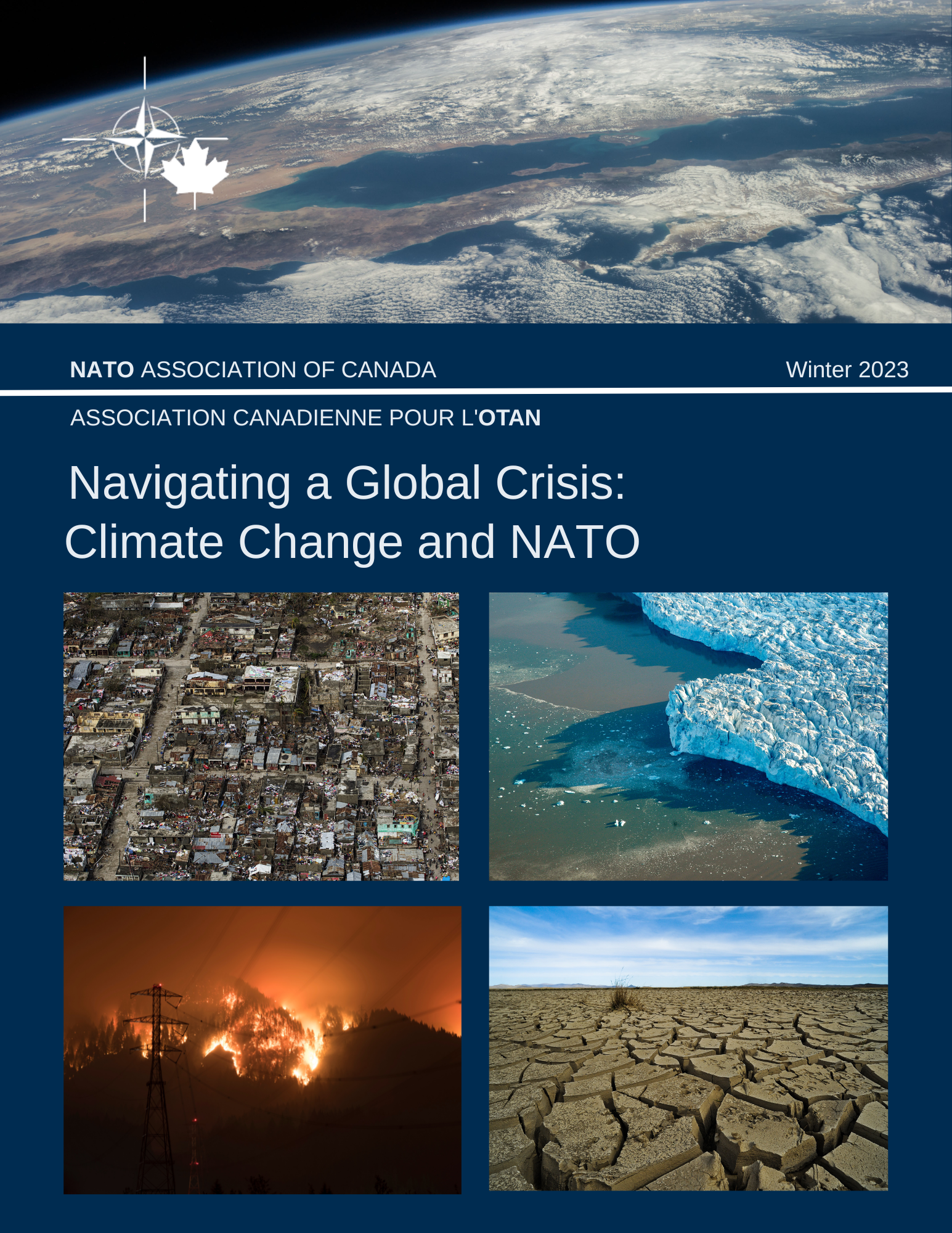
The NATO Association of Canada has released its Winter 2023 special publication.

In Navigating a Global Crisis: Climate Change and NATO, ed. Christopher Maternowski, leading authorities offer insights on what rising temperatures mean for international security and NATO. The volume explores the many ways in which climate change constitutes an urgent concern for the international community and a threat on which NATO and other intergovernmental organizations must increasingly collaborate and act.

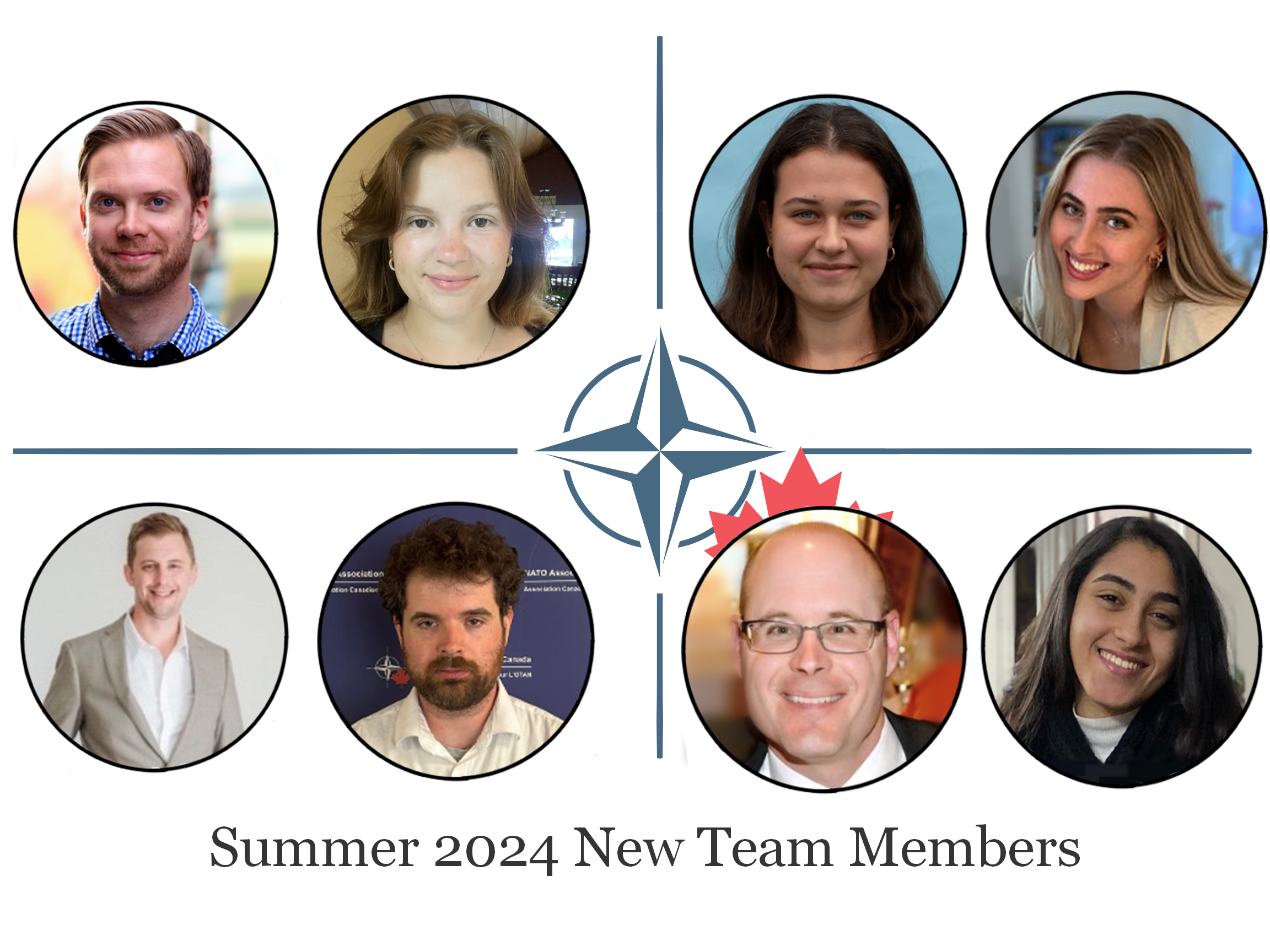
Meet the Team

Meet the Team