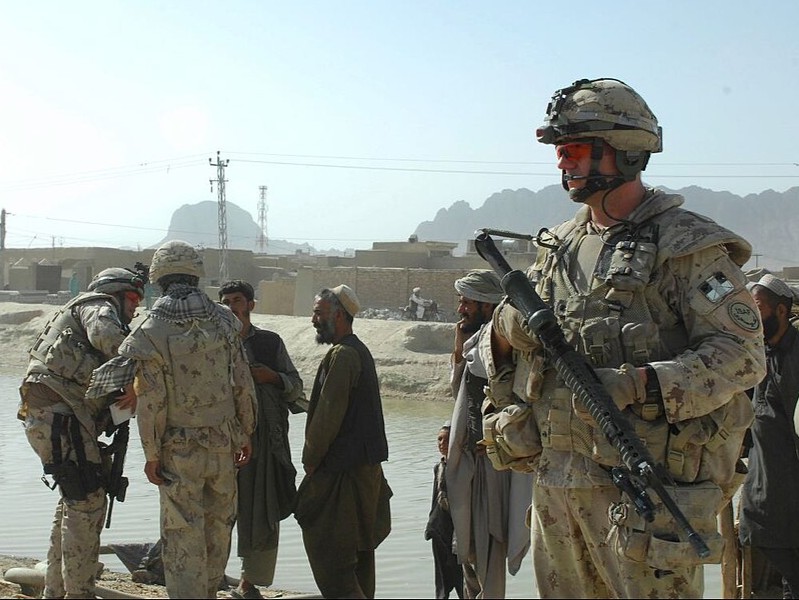
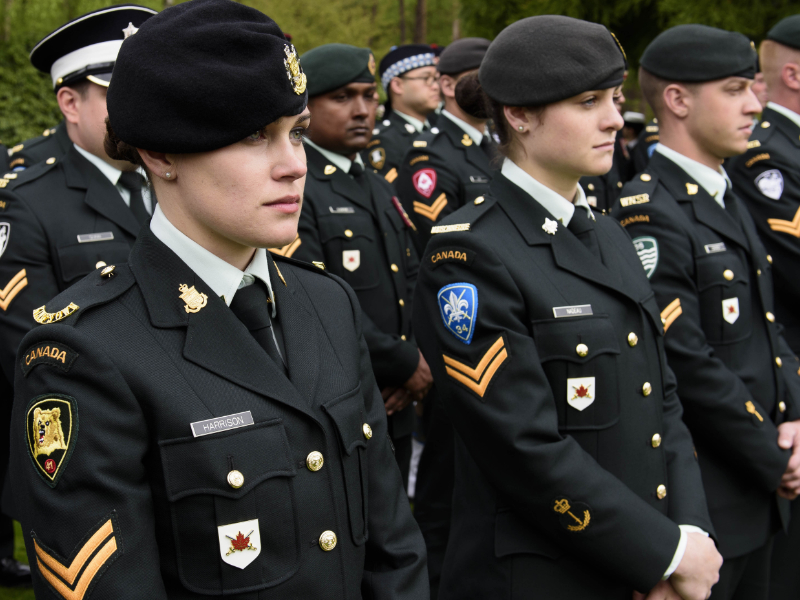
On the ground, in the air and on the water, the men and women of the Canadian Armed Forces stand watch over the country and defend its interests at home and abroad. The Canadian Armed Forces Program aims to provide an in-depth analysis of the issues facing Canadian soldiers across all branches of the military in order to give Canadians varying perspectives on the men and women who defend their country.
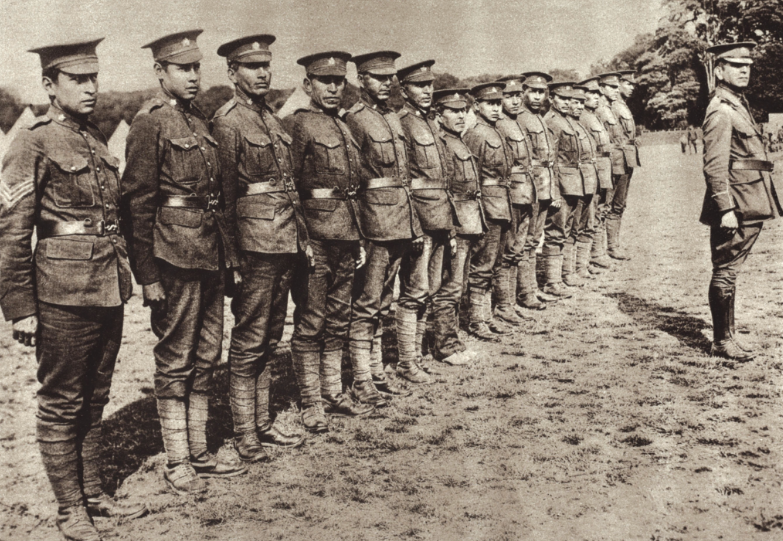
Reconciliation Efforts Today The government has stated plans to blend Indigenous culture and knowledge into the Canadian Armed Forces (CAF). That knowledge refers to a cultural lifestyle rooted in relationality with the land, animals, and community, and passed on through land-based learning rather than transferable skills. It encompasses ways of understanding people, environment, spirituality, and Read More…
This September marks twenty years since Operation Medusa — the battle that defined Canada’s war in Afghanistan and reshaped how the country saw its military. At the centre of it was Brigadier-General David Fraser, the officer running his country’s force in Kandahar and NATO’s southern command. Most retellings stop at the victory his forces won; Read More…
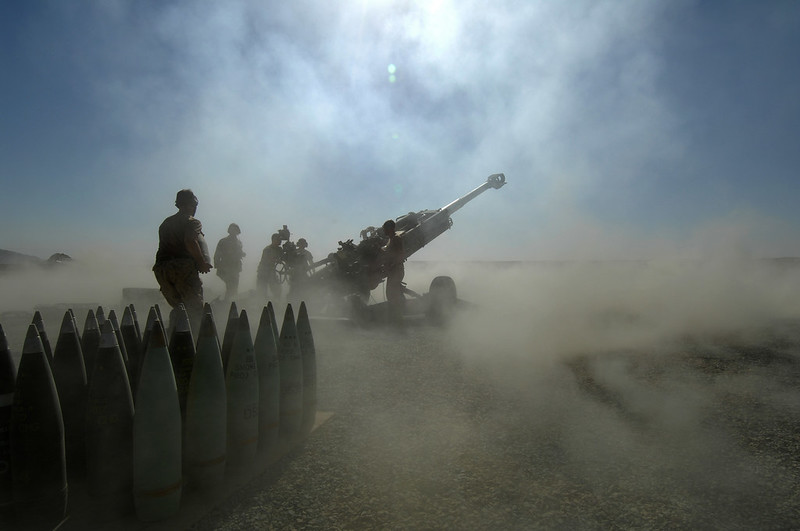
Twenty years ago, the Canadian Armed Forces alongside NATO and Afghan allies, conducted Operation Medusa, the largest Canadian operation since the Second World War. Carried out in September of 2006, Op Medusa saw Canadian-led NATO forces successfully destroy a Taliban stronghold in the Panjwayi district. While the operation was Canadian-led, it represented the combined strength Read More…
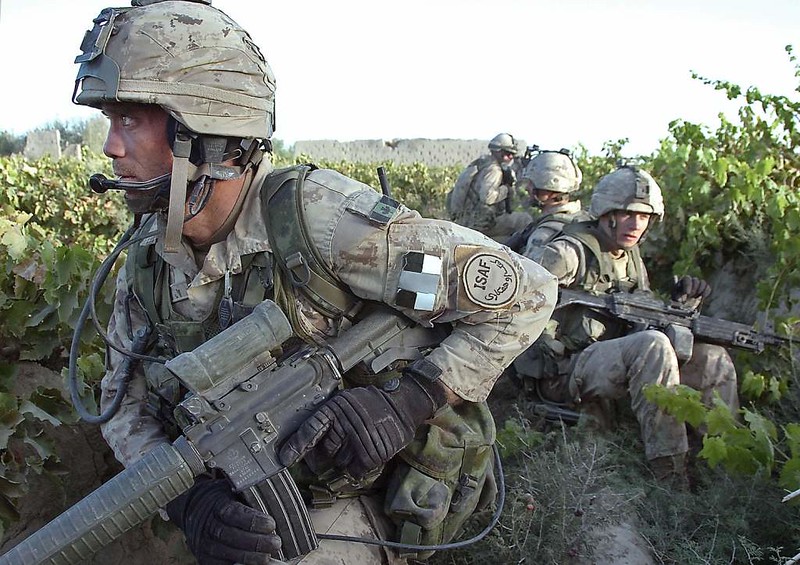
Twenty years after Operation Medusa, Afghanistan remains a significant part of the Canadian Armed Forces’ institutional memory. The 2006 battle, Canada’s largest combat operation since the Korean War, killed twelve Canadian soldiers. It was one episode in a broader mission in which more than 40,000 CAF members deployed, including officers who hold the CAF’s most Read More…
As Canada’s army prepares to confront an increasingly uncertain world, the institution is undergoing its largest restructure since the second world war. In this article, Robert Malloy examines what advantages the new formation will yield, and what challenges Ottawa must anticipate to bring about a successful transition
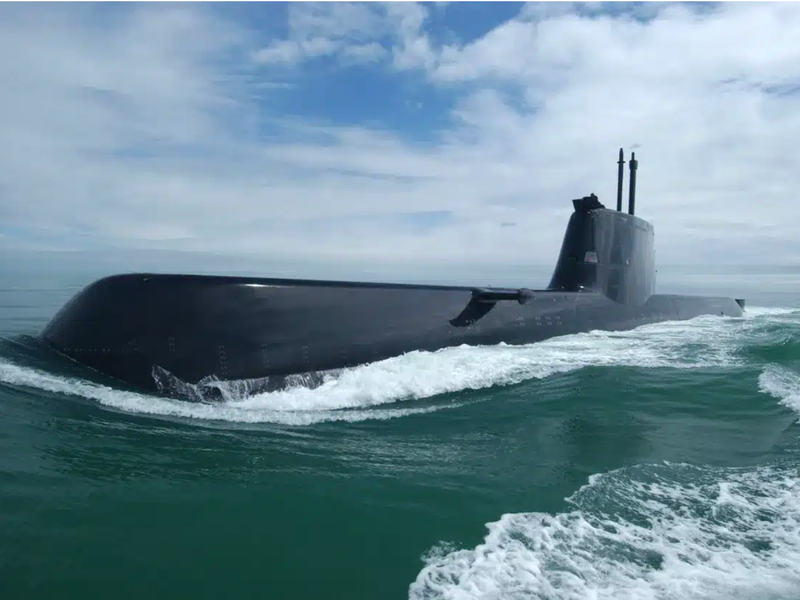
What should Canada’s next submarine fleet actually deliver? In this piece, Maral Hamzehloo examines how the selection of Germany’s TKMS could help close a critical undersea capability gap within the Canadian Armed Forces. She argues that the fleet could strengthen maritime awareness, deterrence, Arctic operations, and Canada’s contribution to continental and North Atlantic defence. However, its effectiveness will depend on whether Canada can sustain, crew, and integrate the new submarines over the long term.
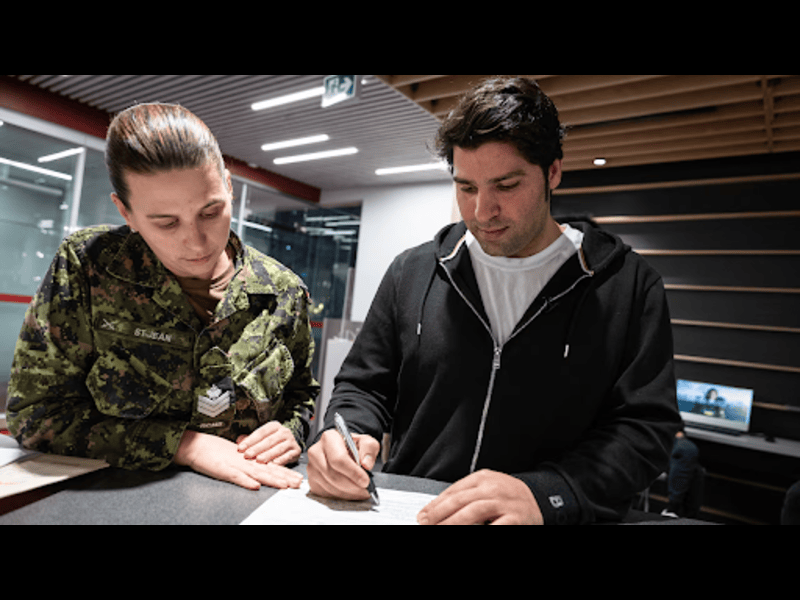
How can the CAF modernize its Reserve Force to remain relevant and operational amid a deteriorating global security environment? In this piece, Alaina Brunone examines how severe recruitment and training bottlenecks are hindering Canada’s ambitious 2025 mobilization goals. She highlights how decades of military underspending have complicated this overhaul, resulting in only one in thirteen applicants enlisting and a decline in basic training completion rates. She argues that to overcome these structural constraints, the CAF must confront tough trade-offs regarding trade-specific enlistment standards. Ultimately, Alaina showcases how the military is moving beyond discussion by leveraging targeted incentives and unconventional civilian partnerships to expand training capacity.
Following the 2025 NATO summit in The Hague, Canada joined allies in pledging that 5% of its annual GDP by 2035 would be allocated to defence, which led to an immediate injection of capital into defence-related spending. The geopolitical reality of the day, marked by the fading of the international rules-based order, has exposed a profound capability gap. Read More…
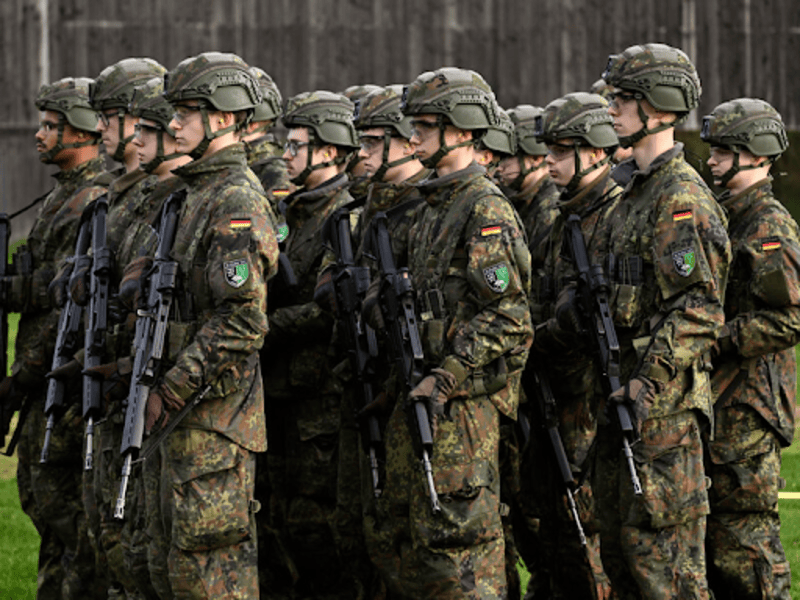
While Germany struggles with a political divide over reintroducing conscription, Canada offers a viable model of part-time service which may be able to help. In this article, Robert Malloy explores how, as Germany debates how to solve personnel shortages in its armed forces, the Bundeswehr may benefit in learning from the CAF-Reserve model. His article argues Canada has an opportunity to market its reserve model to European allies, and promote itself as an institutional knowledge broker at a time of military revival on the European continent.
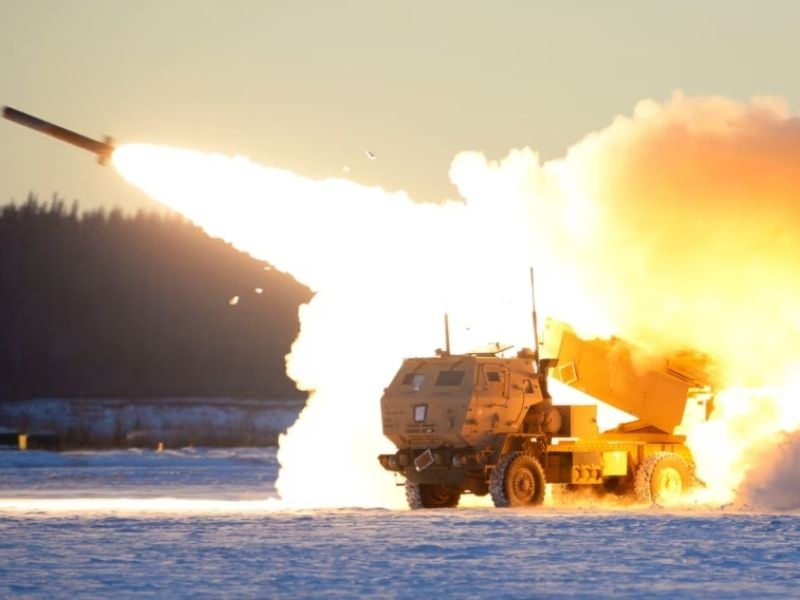
Why is Canada buying HIMARS? In this piece, Maral Hamzehloo examines how Canada’s acquisition of the High Mobility Artillery Rocket System (HIMARS) addresses a critical capability gap within the Canadian Armed Forces and supports Ottawa’s commitment to fielding a combat-capable brigade in Latvia. As HIMARS becomes NATO’s standard long-range fires platform, the system also strengthens interoperability with key allies. However, she argues that the capability’s effectiveness remains tied to access to U.S.-produced munitions, support networks, and industrial capacity. Drawing on recent examples involving Estonia and Ukraine, she contends that Canada should pair the acquisition with stronger munitions resilience, expanded allied procurement mechanisms, and greater domestic industrial participation to ensure the capability can be sustained during a major crisis.