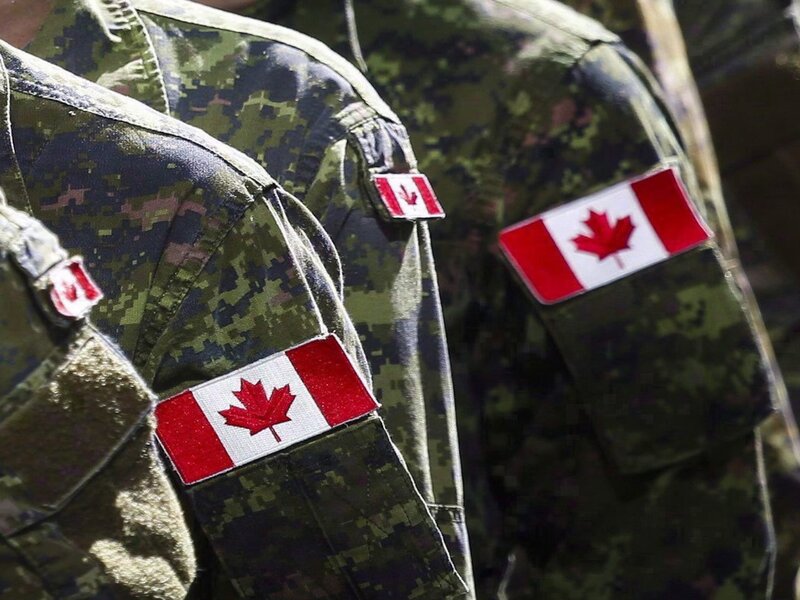
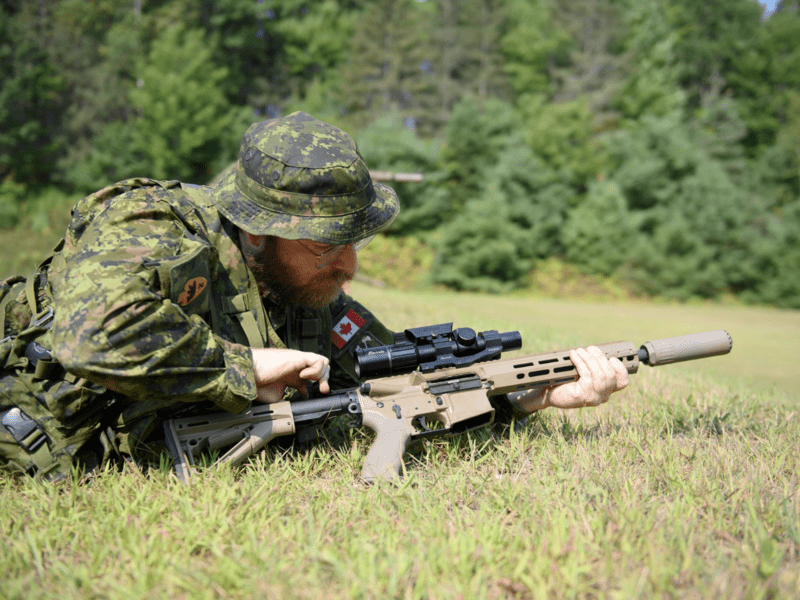
This article examines Canada’s decision to replace the Canadian Armed Forces’ C7 and C8 rifles alongside similar service rifle modernization efforts in France, Denmark, and the United Kingdom. It examines that the replacement is not driven by age alone, but by the need for greater adaptability, compatibility with modern accessories, and continued effectiveness across different operational settings. Rather than pointing to a single NATO-wide process, these cases reflect a broader pattern among several allies seeking to update the equipment carried by frontline personnel. Together, they show that service rifle replacement has implications not only for readiness, but also for interoperability, training, maintenance, and longer-term defence planning.
Jasmine Doobay-Joseph
Can External Recruitment Address Skill Shortages in the Canadian Armed Forces?
As the Canadian Armed Forces (CAF) continue to operate below authorized strength, the Government of Canada has announced plans to create a pathway for skilled foreign military recruits to help fill shortages in critical occupations. This reflects a broader challenge facing allied militaries: how to fill urgent personnel gaps without creating new long-term problems. This article examines whether foreign recruitment is becoming a lasting part of force generation or whether it is being used to respond to ongoing personnel pressures.
Drawing on examples from the United States, the United Kingdom, and France, the article argues that external recruitment works best when it is connected to broader personnel planning, domestic training systems, and retention efforts. While it can help ease pressure in high-skill occupations such as aviation and medicine, its long-term value depends on whether it strengthens the force over time. The analysis suggests that foreign recruitment can support capability, but its overall value will depend on how well it fits within Canada’s wider workforce approach.