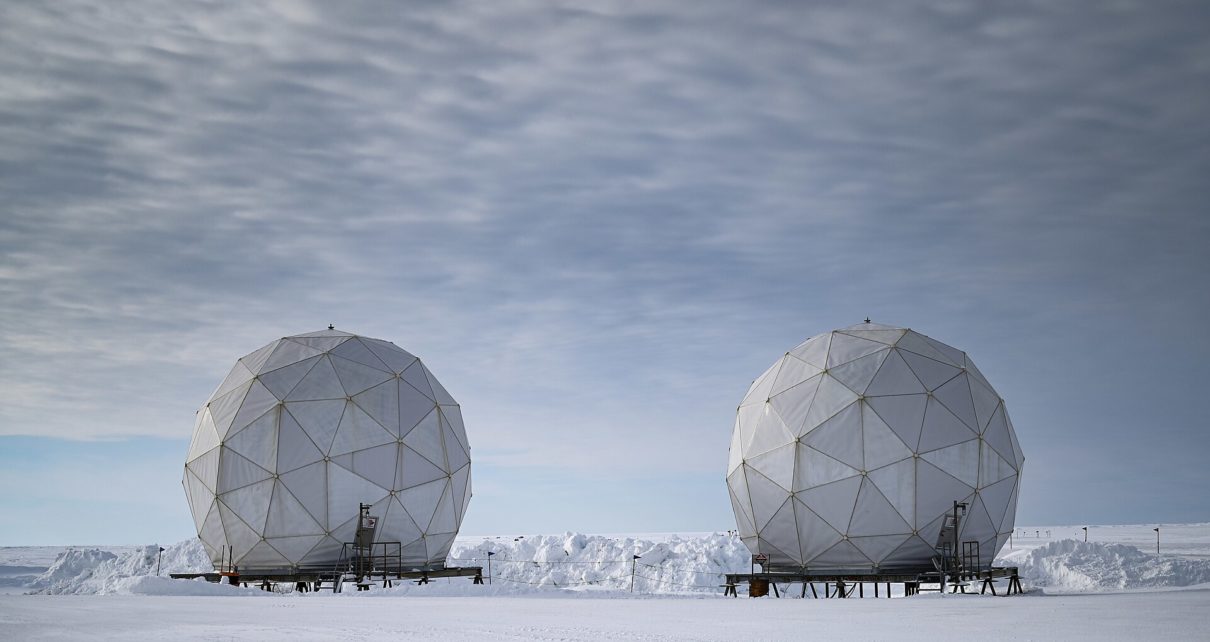
While climate change is undoubtedly an urgent security challenge for NATO, its risks extend beyond physical and environmental consequences. This article examines climate disinformation as a hybrid threat that exploits uncertainty to delay climate action, divide allies, and undermine trust. Rather than attempting to convince populations to reject climate change entirely, climate disinformation can create enough doubt and disagreement to weaken collective action.
Environment, Climate Change, and Security
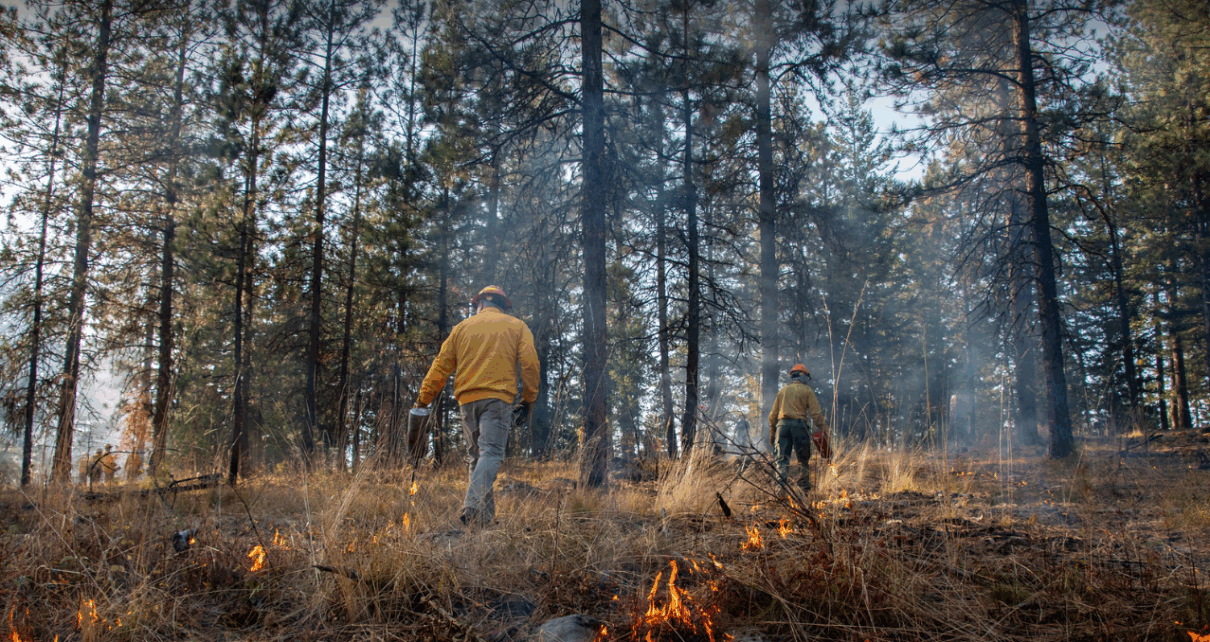
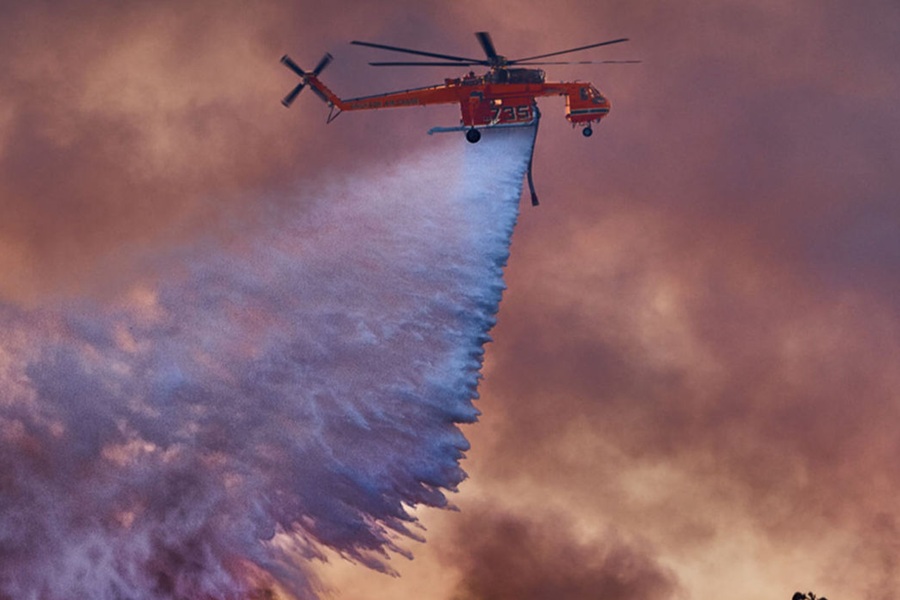
Good Fire, Better Defence: The Burning Need for Indigenous Fire Stewardship in Canada’s Wildfire Strategy
Ontario’s 2026 wildfire season is officially the worst on record, with over 7,250 square kilometers burned, and First Nations communities evacuating with little provincial support as emergency resources become increasingly strained. Prime Minister Carney has described it as one of the most intense wildfire seasons in Canadian history. The severity is no anomaly: Canada’s wildfires Read More…
Climate Change as a Security Threat: Climate Risks into Defence Policy
In 2023, more than 2,100 Canadian Armed Forces members were deployed across six provinces and territories for more than four months to assist Canada’s worst wildlife season in 30 years. Canada has increasingly integrated climate change into its defence strategy, recognizing it as a threat multiplier affecting military readiness, infrastructure resilience, Arctic security, and operational Read More…
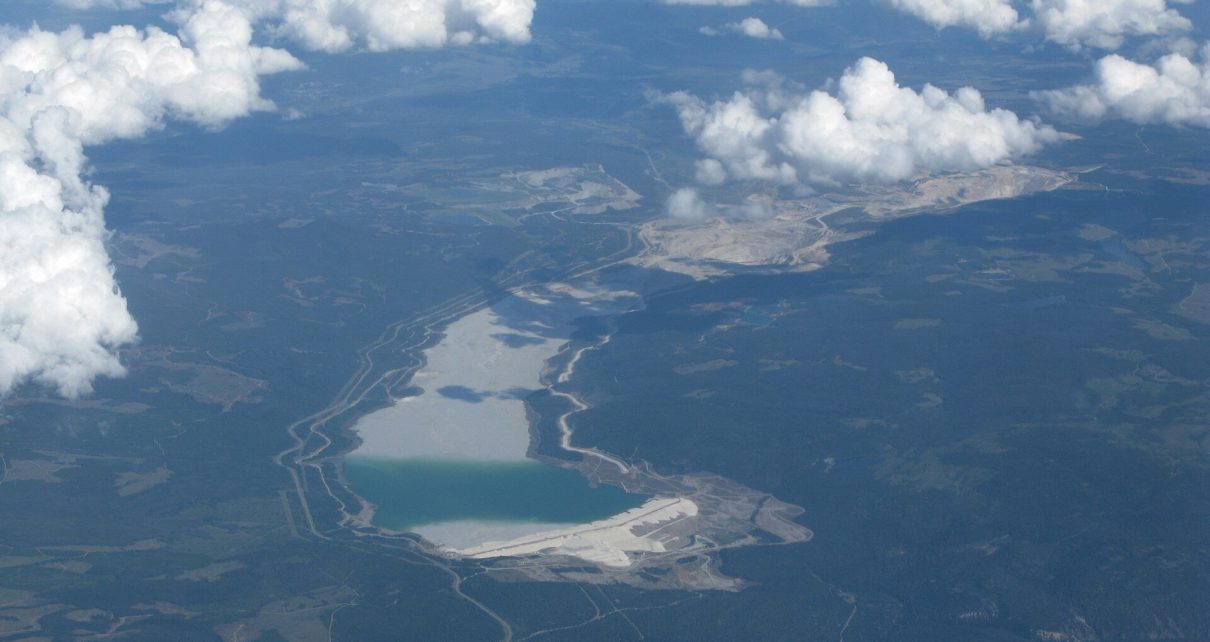
Why Critical Minerals Matter for NATO’s Long-Term Security
When discussions turn to military strength, attention typically focuses on defence budgets, troop numbers, and advanced weapons systems. Far less attention is paid to the raw materials that make those capabilities possible. Critical minerals such as lithium, graphite, cobalt, nickel, and rare earth elements are essential components of everything from fighter aircraft and missile systems Read More…
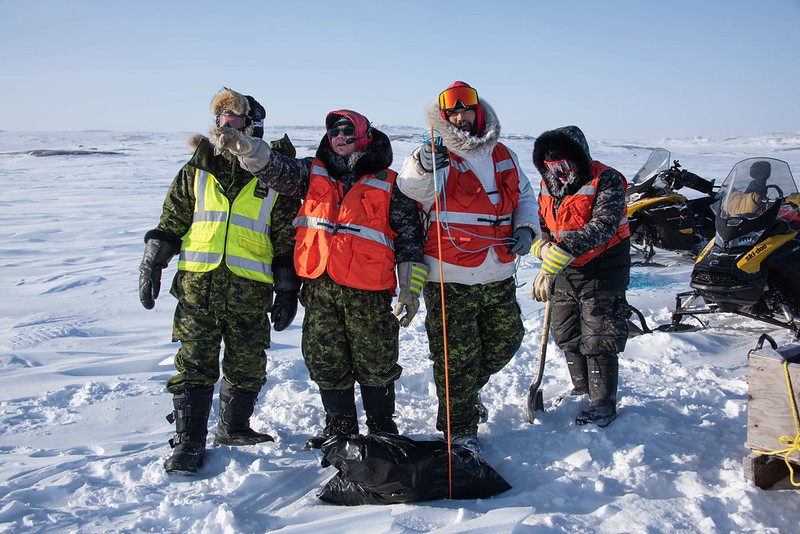
Addressing NATO’s Arctic Intelligence Gap: Indigenous-Led Environmental Monitoring
The warming Arctic is one of the greatest sources of vulnerability for Canadian security and defence, and yet the communities best positioned to generate the knowledge required to protect it are functionally absent from NATO’s plan, reflecting a profound intelligence gap. For generations, Inuit hunters, harvesters, and land stewards across the Canadian North have accumulated Read More…
Newfoundland and Labrador: How a Geographic Frontline is overlooked in Canadian Defence Policy
Introduction In April 2026, the federal government announced long-term defence investments at 5 Wing Goose Bay that may total up to $8 billion, marking the largest Canadian defence investment in Newfoundland and Labrador’s history. On the surface, this news highlights military modernization, NORAD infrastructure, and Arctic sovereignty. Yet it also reveals that climate security is Read More…
Canada’s Bootprint: An Effort to Mitigate Its Carbon Footprint
Canada has increasingly recognized that climate change is not only an environmental issue but also a growing national and international security challenge. As a founding member of NATO, Canada has aligned its defence policies with the Alliance’s climate objectives by integrating climate considerations into military planning, resilience, and emissions reduction. NATO has committed to reducing Read More…
From Climate Law to Defence Policy: What the International Court of Justice Opinion Could Mean for NATO
Climate change is increasingly reshaping the way governments think about national security. Flooding, wildfires, and extreme weather can damage military installations, disrupt supply chains, and strain emergency response systems, creating vulnerabilities that governments increasingly view as national security concerns. At the same time, melting Arctic ice is opening new shipping routes and intensifying geopolitical competition Read More…
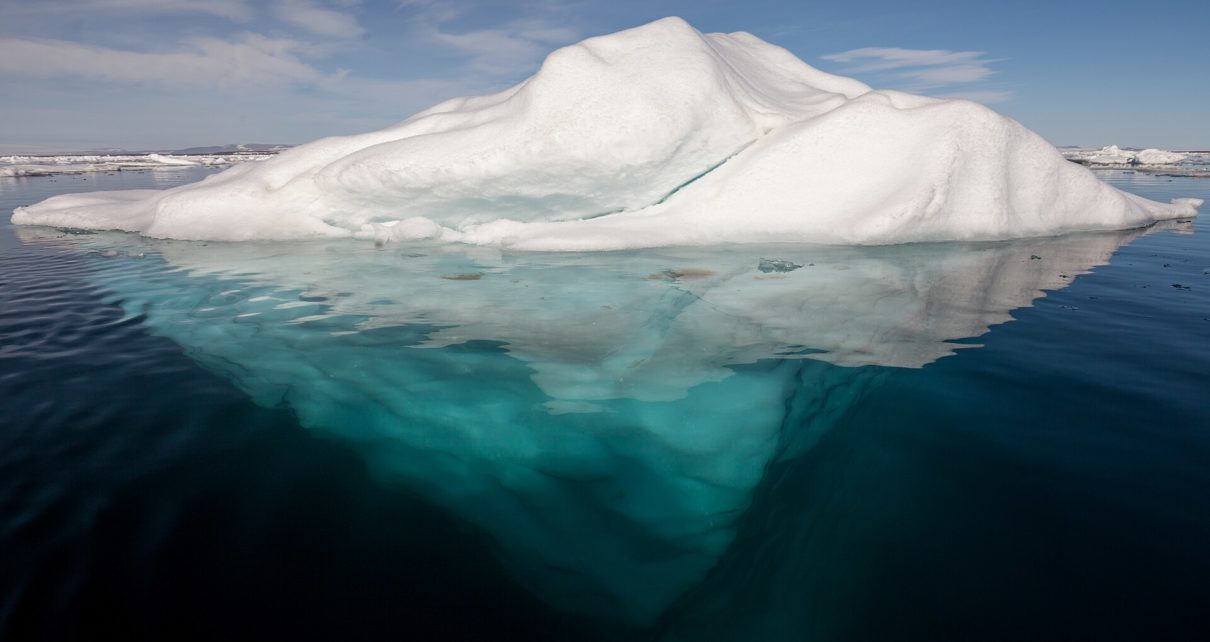
Canada’s Vanishing Ice: Why Glacier Melt Matters
“Water is not a commercial product like any other but, rather, a heritage which must be protected, defended, and treated as such.” What happens when mountains lose their ice? Across the Rocky Mountains, glaciers have shaped landscapes, sustained ecosystems, and supplied water for generations, yet they are rapidly retreating, signaling a growing environmental crisis. The Read More…
Thawing Foundations: Permafrost and the Future of Arctic Defence
Canada’s Arctic security debate mostly focuses on the visible signs of geopolitical change. While Russian military activity, Chinese interest in polar routes, and NORAD modernization dominate the debate, one serious threat is occurring under Canadians’ feet. As permafrost thaws, the physical ground supporting Arctic infrastructure is becoming less stable. This is not only an environmental Read More…