Lou Didelot is a Junior Research Fellow with the NATO Association of Canada. She is a second-year undergraduate student at McGill University majoring in Political Science, with double minors in Anthropology and Sociology. Her interests focus on international security, climate-related risks, and global governance. Having lived in several countries, she brings a comparative perspective and is fluent in English, French, Spanish, and Portuguese.
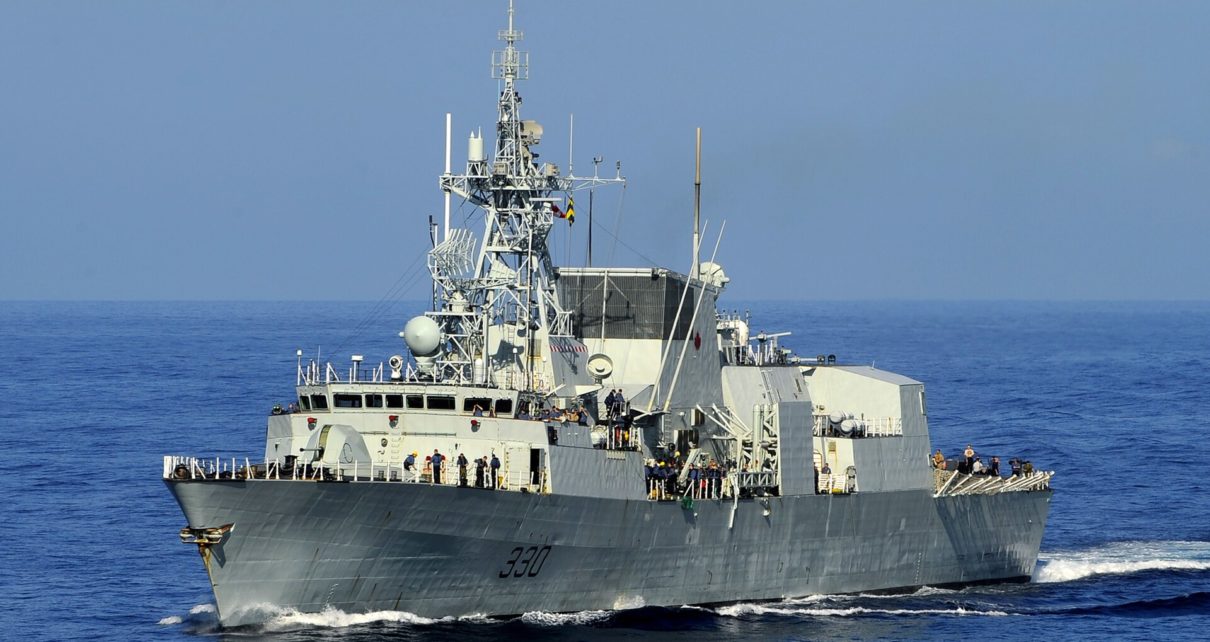
As NATO countries increase defence spending amid rising geopolitical tensions, Canada faces pressure to strengthen its military. The federal government has committed billions of dollars to modernizing the Canadian Armed Forces (CAF), but increased spending does not automatically translate into greater military capability. Major defence projects have faced years of delays, while personnel shortages and Read More…
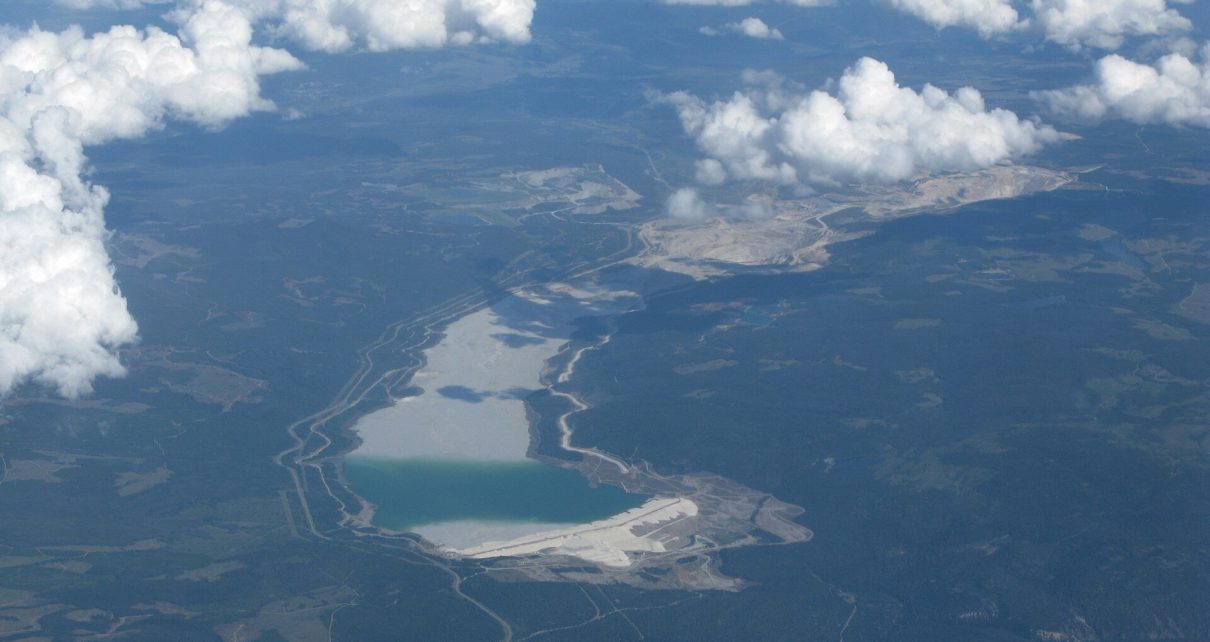
When discussions turn to military strength, attention typically focuses on defence budgets, troop numbers, and advanced weapons systems. Far less attention is paid to the raw materials that make those capabilities possible. Critical minerals such as lithium, graphite, cobalt, nickel, and rare earth elements are essential components of everything from fighter aircraft and missile systems Read More…
Climate change is increasingly reshaping the way governments think about national security. Flooding, wildfires, and extreme weather can damage military installations, disrupt supply chains, and strain emergency response systems, creating vulnerabilities that governments increasingly view as national security concerns. At the same time, melting Arctic ice is opening new shipping routes and intensifying geopolitical competition Read More…
In this article, Lou Didelot explores how whereas NATO increasingly treats climate change as a security challenge, modern deterrence still depends on fossil-fuel-intensive military systems. As geopolitical tensions rise, the alliance faces growing pressures to balance sustainability with operational readiness.
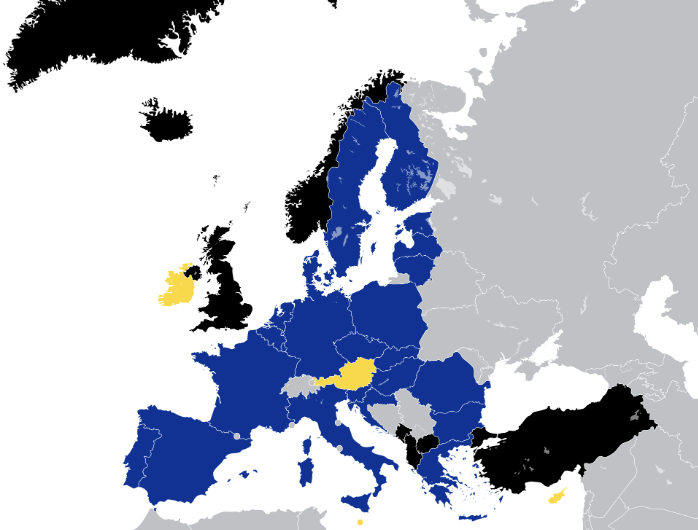
As Europe advances its pursuit of strategic autonomy, questions are emerging about the future of NATO and transatlantic security. Can a more independent Europe strengthen collective defence, or risk fragmentation? This article explores how alignment and coordination will shape the future of Western security.
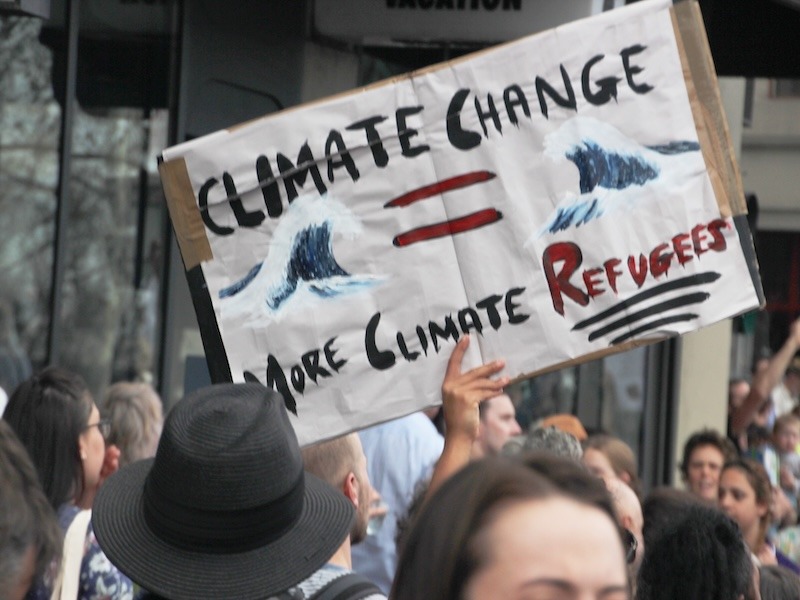
From devastating floods in Pakistan to prolonged droughts across the Horn of Africa, climate-related disasters are increasingly shaping political and humanitarian crises around the world. Climate change is often described as a “threat multiplier” because it tends to intensify challenges that already exist within societies rather than directly causing conflict on its own. Environmental pressures Read More…
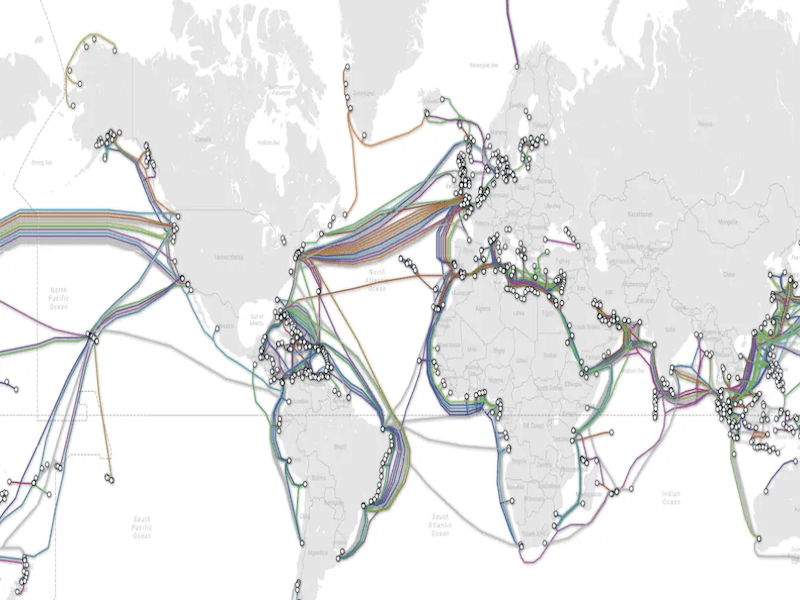
For most of its history, NATO’s credibility rested on assets it could command: troops, bases, weapons systems, and integrated military planning. Deterrence depended on capabilities that were clearly owned, coordinated, and deployable under alliance authority. Today, however, the foundations of collective defence increasingly lie outside NATO’s direct control. Undersea data cables, satellite networks, commercial cloud Read More…
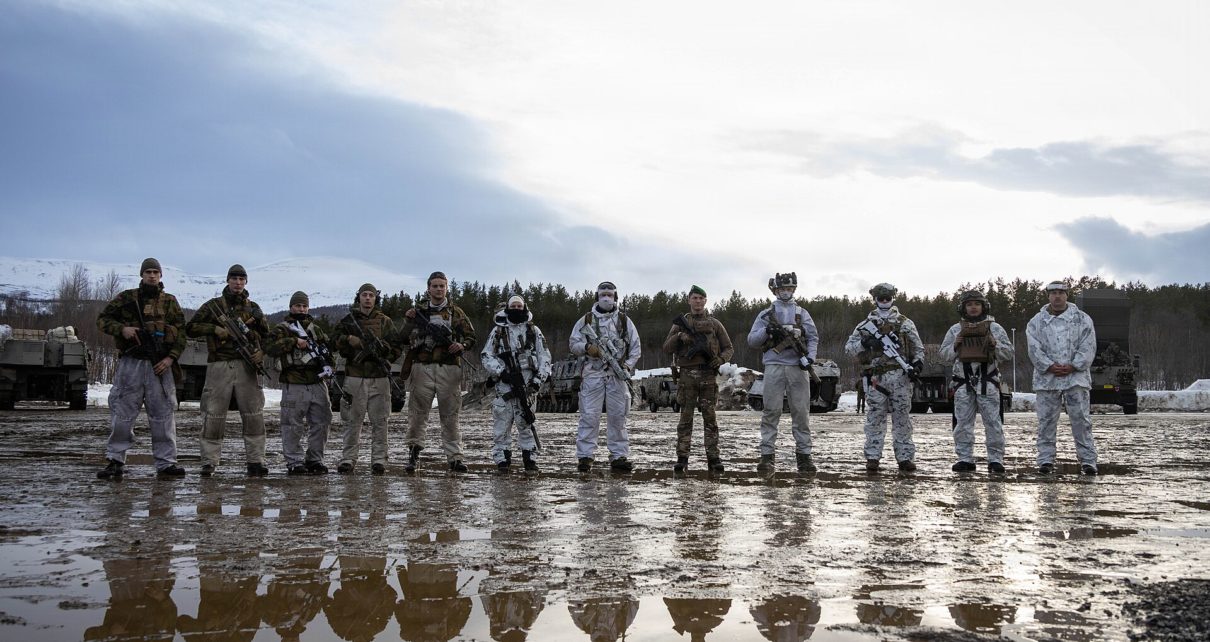
Extreme weather is no longer a distant concern for defence planners. Across the Euro-Atlantic region, flooding has damaged military infrastructure, rising temperatures have affected personnel and equipment, and the accelerating loss of Arctic ice has begun to reshape strategic geography. As climate impacts intensify, they increasingly intersect with NATO’s core security priorities. Rather than constituting Read More…