The Security, Trade and the Economy program aims to provide Canadians with relevant and accessible analysis on current international economic policies with a focus on Canadian interests and trade security. Additionally, the program examines our country’s commitment to NATO’s mandate of encouraging economic collaboration and eliminating economic conflict.
Canada has spent considerable time defining what it wants from the Indo-Pacific. The next challenge is demonstrating what it can accomplish there. Mongolia offers an opportunity to do precisely that. Prime Minister Mark Carney has argued that, in an era of great-power rivalry, middle powers need stronger networks among themselves. Canada cannot exercise influence in Read More…
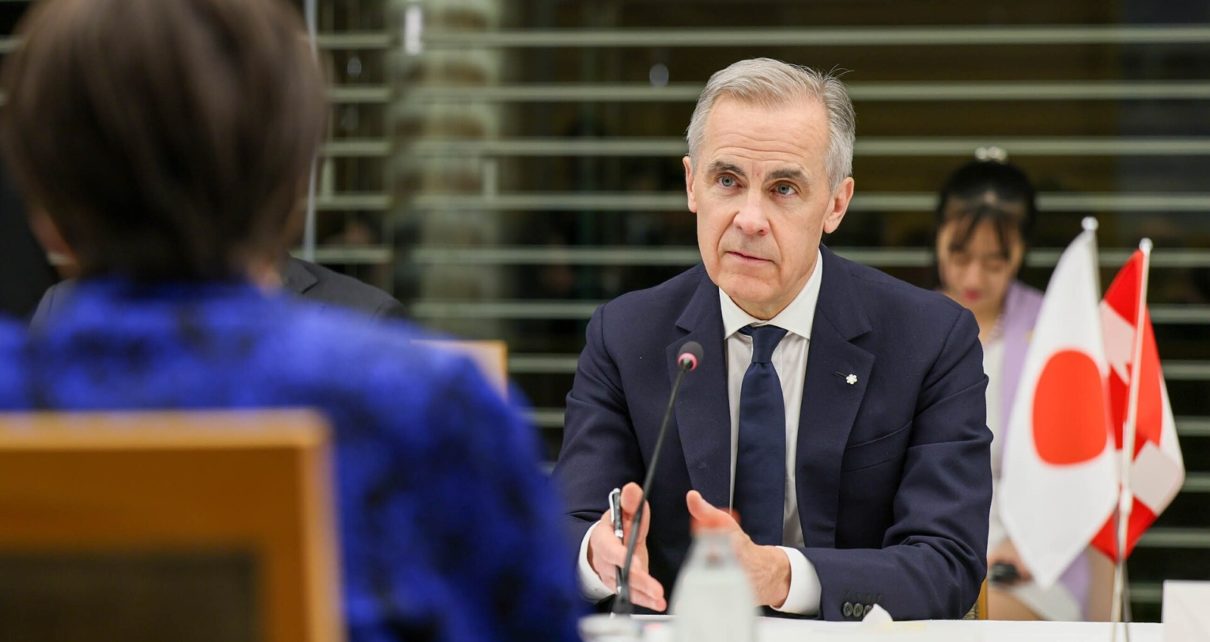
Given the current uncertainty in the Canada–United States relationship, Canada has doubled down on building new trade partnerships and expanding existing ones. From March 2025 to March 2026, Prime Minister Mark Carney has made 26 trips abroad and has secured four binding trade deals. While trade diversification is a strategic response to reduce Canada’s dependence Read More…
As NATO races to integrate commercial satellites into its collective defence architecture, can Canada afford to remain a passive consumer of allied space infrastructure? In this article, Kaya Dupuis argues that Canada must modernize its space governance framework, through updated export controls and a dedicated space security policy, to position its world-class space industry as a formal contributor to NATO security before the rules of governing commercial military space are written by others.
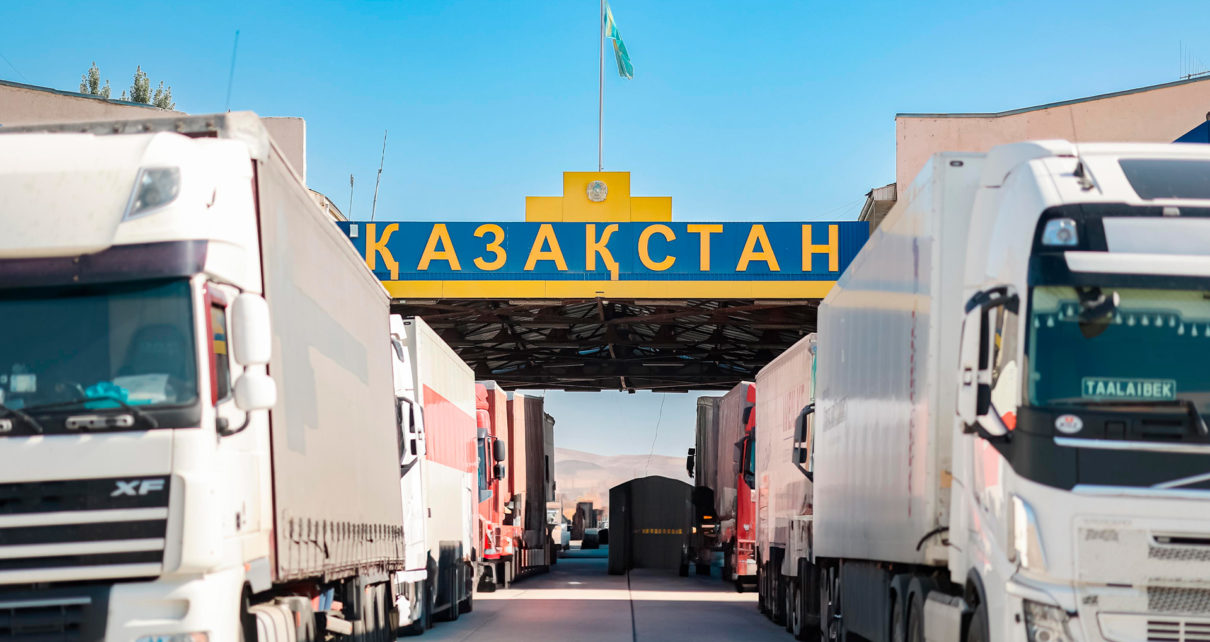
How does a sanctioned Russia keep getting its hands on Western goods? Tyler Stevenson traces the answer to Kyrgyzstan, which has become one of the world’s fastest-growing economies by re-exporting sanctioned goods, and argues that Canada must modernize its sanctions regime to address the reality of how Russia keeps its war economy supplied.
What did Canada and China actually agree to, and what did they leave unresolved? In this article, Michael Chen explores the economic logic of the trade reset and why connected-vehicle data and software screening remain the clearest security gap.
* The second in a three-part series Post-WWII planners accepted free trade as a hallmark of Western prosperity, in part as insurance against war due to the economic interdependence it fosters. However, this institution has not only been challenged, but in the eyes of some, proven to be the product of naive liberal utopianism, and is Read More…
A tariff regime isn’t an act of war, and a supply-chain cut-off isn’t an invasion — even if they are coercive. In this article, Tyler Stevenson examines how Canada is responding to these threats through a new wave of comprehensive partnerships that treat trade as an extension of defence policy.
For the first time since the end of the Cold War, Canada has achieved NATO’s 2% defence expenditure target under the leadership of Prime Minister Mark Carney. While the increase in spending does strengthen Canada’s credibility within the North Atlantic Treaty Organization (NATO) and supports domestic defence-related industries and employment, the 2% target does not measure actual military effectiveness. Can Canada convert higher defence expenditures into deployable capabilities, procurement reform, personnel increases, and reduced dependence on the United States?
As Canada simultaneously hits NATO’s 2% defence spending threshold and launches a debt-financed sovereign wealth fund, Kaya Dupuis asks whether Ottawa can credibly afford both. This article examines whether the Canada Strong Fund can serve as a genuine NATO defence-industrial asset, or whether its borrowed foundation will undermine the very commitments it is meant to support.
As economic security becomes increasingly central to international policymaking, trade law is being reshaped by sanctions, export controls, and other security-based economic measures. In this article, Hassan Ahmed examines how the WTO’s national security exception has evolved from a narrow safeguard into a more routine justification for strategic economic action, and how allied states increasingly coordinate such measures through informal alignment rather than unified legal frameworks. Using examples ranging from semiconductor export controls to sanctions coordination following Russia’s invasion of Ukraine, the article explores the growing intersection of trade law, strategic competition, and alliance politics, including the implications for middle powers such as Canada.