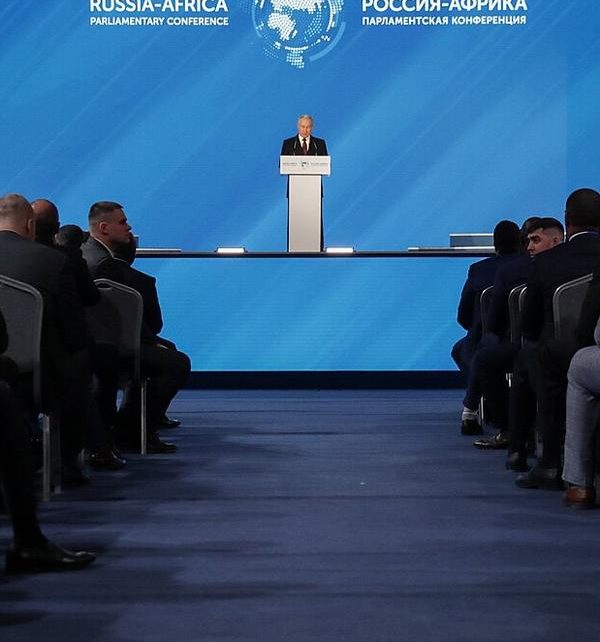
How does Russia fund its war economy? In this piece, Jonah Moffatt examines how Russian influence in the African Sahel has created sanction-proof revenue streams that allow Moscow to fuel the war in Ukraine, while contributing to a climate of instability in NATO’s backyard. He argues that Canada, a leader in international mining, can counter Russia’s destabilizing influence in Africa by increasing economic partnerships with Sahelian states, emerging as an unlikely leader of NATO’s southern strategy.
Uncategorized
Iran Precedent: Canada’s Support Without Participation
As the US and Israel’s campaign against Iran continues, it has potential to draw NATO, and Canada as a member of the alliance into uncharted territory. Canada finds itself walking a diplomatic tightrope: offering political support to its allies while firmly keeping its troops out of the fight. This “support without participation” stance has allowed Canada to preserve alliance solidarity and avoid military overreach, but it’s increasingly tested as missiles enter NATO airspace and resources grow thin across theaters. With European allies diverging in their responses, the big question remains: how long can political backing alone satisfy an alliance under mounting pressure? For now, Canada is banking on de-escalation but the Tehran precedent, though on a two-week pause, is still very much a work in progress.
Canada’s Dual Exposure to the Strait of Hormuz
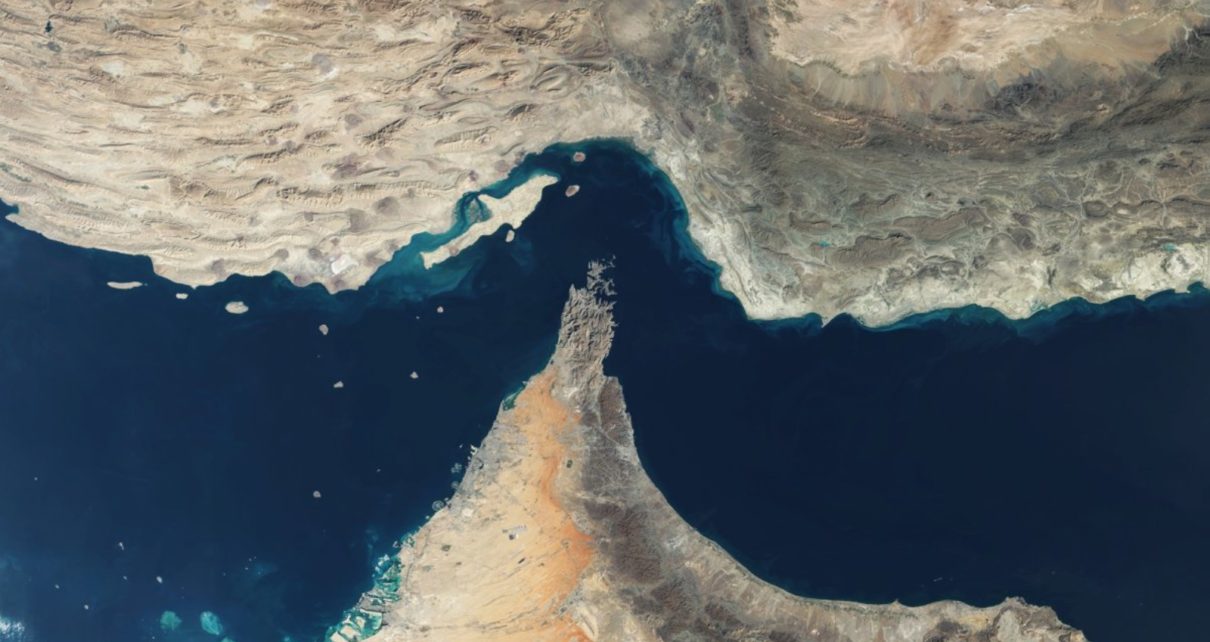
The Strait of Hormuz is barely 30 miles wide at its narrowest point, yet it is arguably one of the most consequential stretches of water on earth. Through this narrow corridor connecting the Persian Gulf to the Gulf of Oman flows approximately 20 million barrels of oil per day (b/d); roughly 20% of global petroleum Read More…
From Caracas to Canada: What U.S. Doctrine Means for the Northwest Passage
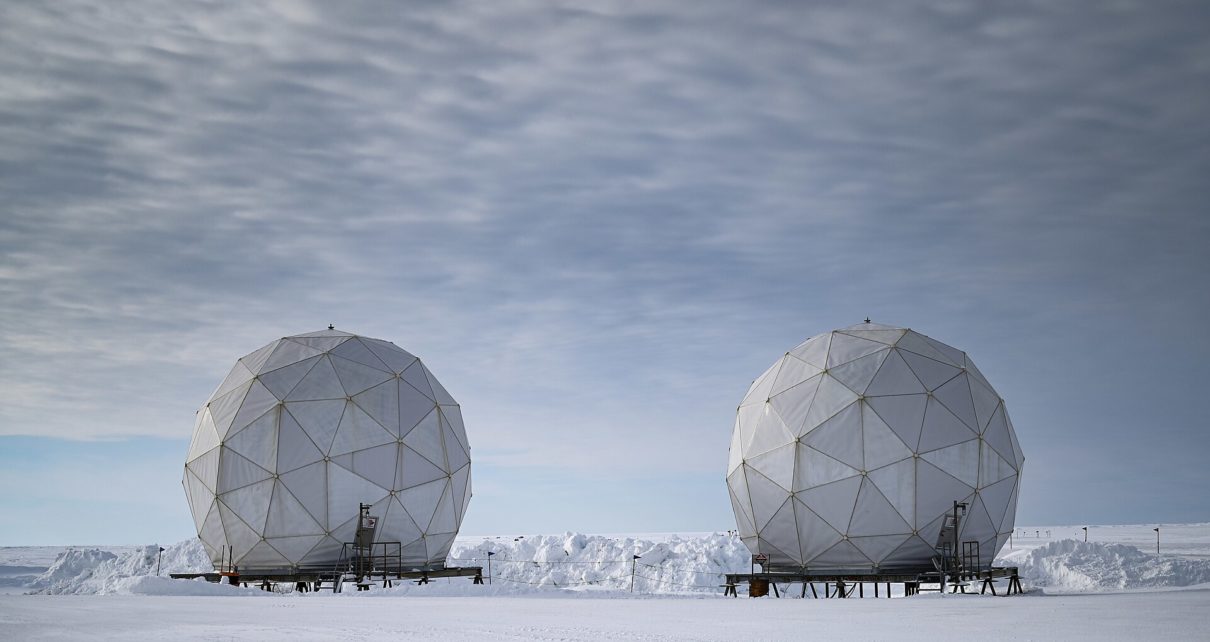
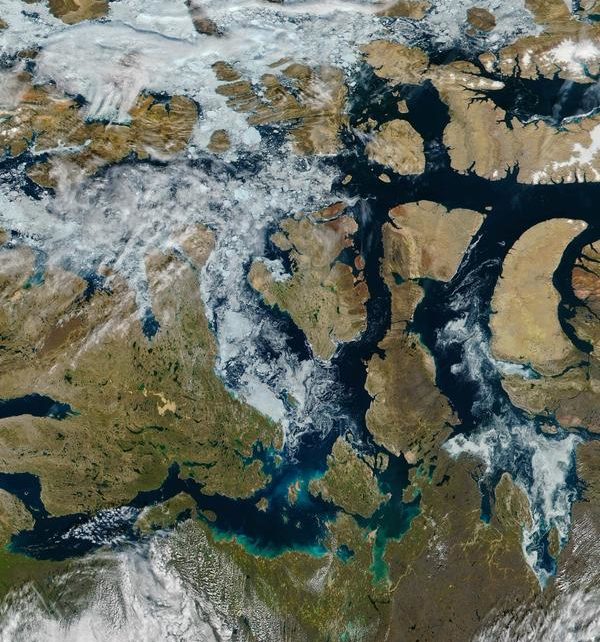
Following the American intervention in Venezuela, Jonah Moffatt assesses the “Trump Corollary” outlined in the 2025 National Security Strategy, and what this hemispheric vison of security means for the long-contested Northwest Passage. He argues that through diplomatic coordination with its Nordic allies, Canada can utilize the forum and frameworks of NATO to protect its national interests while emerging as a leader of multilateralism in a time of uncertainty.
Rules not Rockets: Energy Regulation as Foreign Policy by Other Means
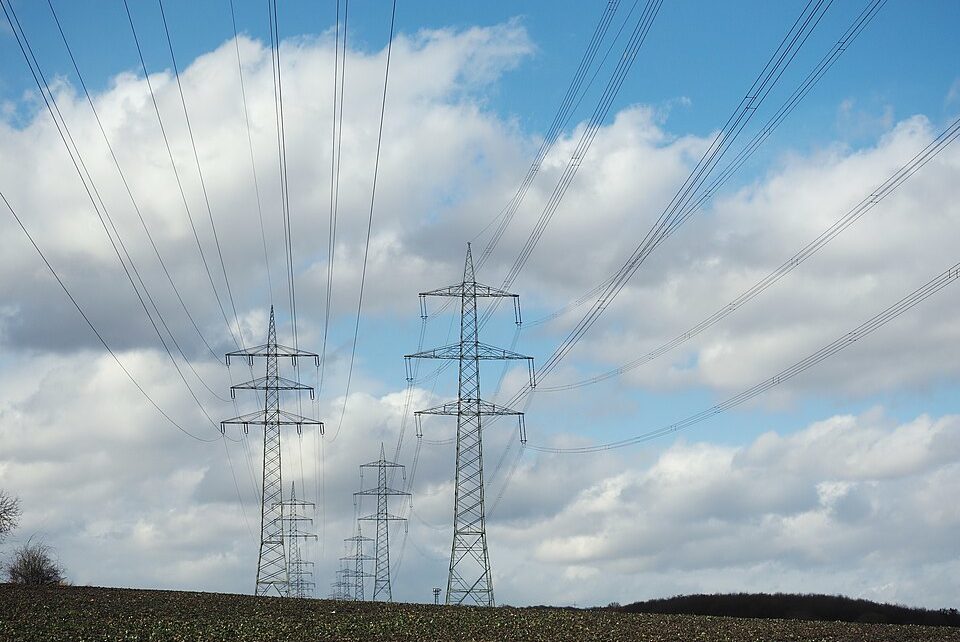
Energy security debates often focus on supply: who produces energy, who transports it, and who depends on whom. This framing has centered on the nexus between physical assets and trade flows—pipelines, terminals, generation capacity, and shipping routes. Increasingly, however, strategic vulnerability is shaped less by the location of infrastructure than by who controls it and Read More…
From Kyiv to Taipei: Why the Russian-Ukrainian War Matters in the Indo-Pacific
Alexander Morrow and Nataliia Dikalchuk explain why Ukraine’s fight matters far beyond Europe. The war is reframing deterrence in the Indo-Pacific, prompting Taiwan to prioritize self-reliant defence and pushing China to reassess Western unity. Their analysis highlights how democratic resilience in one region shapes security calculations in another.
Illuminating the Grey Zone: How NATO can help shape the Indo-Pacific’s Pre-Conflict Terrain
What role can NATO play in addressing grey zone coercion in the Indo-Pacific? In this article, Joel Sawyer explores how the Alliance can strengthen regional pre-conflict deterrence and preparedness to reduce the effectiveness of coercive grey zone operations, actions, and activities.
Rare Earth Resilience: How NATO Can Secure Its Technological Future Amid US-China Rivalry
As US-China rivalry escalates, China’s new export curbs on rare earths have exposed NATO’s dangerous dependence on external suppliers for the minerals underpinning its defence industries. Daniel Lincoln argues that the Alliance must develop a unified industrial strategy to secure access to critical materials, independent of both Washington and Beijing. By building diversified supply chains, joint stockpiles, and integrated processing capacity, he contends that NATO can turn resource vulnerability into strategic resilience.
Special Report: Staying in the Game – Canada’s Past, Present, and Future NATO Commitments
Since the early 1950s, Canada has consistently deployed elements of the Canadian Army, the Royal Canadian Air Force (RCAF), and the Royal Canadian Navy (RCN) in support of NATO operations. All military acts, be they waging war or preparing for it, are in furtherance of political objectives. In this vein, Canadian force commitments to NATO Read More…
Should I Stay or Should I Go: The Normative Power of Travel Advisories in International Relations
Current diplomatic relations between Canada and the U.S. are fraught, to say the least. The current trade war has seen the imposition of multiple tariffs on Canada, targeting Canadian auto vehicles as well as aluminum, and other nations, leaving many Canadians feeling betrayed by the U.S. The Prime Minister of Canada, Mark Carney, declared that Read More…