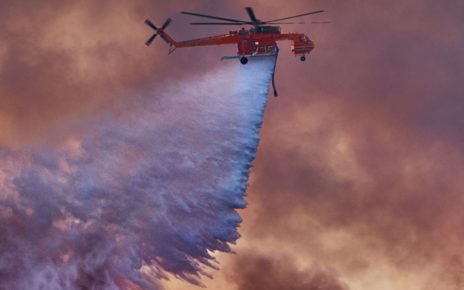
Ontario’s 2026 wildfire season is officially the worst on record, with over 7,250 square kilometers burned, and First Nations communities evacuating with little provincial support as emergency resources become increasingly strained. Prime Minister Carney has described it as one of the most intense wildfire seasons in Canadian history. The severity is no anomaly: Canada’s wildfires are growing in frequency and intensity each year, driven by climate change. In turn, they pose a growing threat to national military preparedness.
Canada’s wildfire strategy must move beyond responding to fires and toward actively preventing them. Indigenous fire stewardship offers one of the most effective, and yet underutilized, preventive tools, and it should be integrated into national wildfire policy. Broadly defined, it encompassess the place-based practices through which Indigenous Nations exercise their responsibilities over fire on their territories, from cultural burning and landscape planning to emergency firefighting. Although often treated as environmental or cultural policy, Indigenous fire stewardship should also be understood as critical security infrastructure: preventing catastrophic wildfires reduces the need for repeated military deployments, protects vulnerable communities, and strengthens Canada’s overall emergency preparedness.
The Costs of a Reactive Wildfire Strategy
Canada’s current wildfire strategy is failing because it is increasingly reactive rather than preventive. While over $1 billion is allocated annually for wildfire suppression and response, prevention and mitigation receive a fraction of that investment: Canada’s primary wildfire risk reduction initiative, the Wildfire Resilient Futures Initiative (WRFI), was allocated $285 million spread across five years. The federal government invests heavily in suppressing fires once they become emergencies while devoting comparatively little to preventing them from occurring in the first place. As wildfire seasons become longer and more severe, this reactive approach is placing growing strain on emergency response systems, including the Canadian Armed Forces (CAF).
The CAF has become a routine responder to Canada’s wildfire seasons through Operation LENTUS, its natural disaster response mission. Provinces and territories retain primary responsibility for wildfire management, but when fires overwhelm local capacity, military personnel are increasingly called upon to assist with evacuations, logistics, and firefighting. Since 2010, the frequency and duration of these deployments have increased dramatically.
This growing dependence on military personnel for domestic relief carries consequences beyond wildfire management. As emphasized by the Department of National Defence, the CAF was not designed to be a persistent first-line emergency management force, and it is not economically sustainable to act in this capacity long-term. Security scholar Leanne Smythe argues that this pattern indicates a wider failure of civilian readiness planning in Canada: two of the CAF’s eight core missions now involve aid to civil power, creating an implicit obligation for civilian institutions to lead emergency response.
Unless Canada invests meaningfully in preventing catastrophic wildfires before they occur, the demand for military deployments will only continue to grow, eroding military readiness as climate change drives more frequent and severe wildfire seasons. Yet Canada continues to underinvest in one of its most effective preventive tools: Indigenous fire stewardship.
Indigenous Communities on the Front Lines
The communities bearing the greatest wildfire risk are also those whose knowledge of how to prevent it remains the most underutilized. 60% of Indigenous communities in Canada reside in remote forested areas, and Indigenous peoples are 30% more likely to be displaced by wildfires than the general population. During the 2026 season, First Nations leaders in Ontario have called for a public inquiry into the provincial wildfire response, describing a pattern of insufficient support for communities that self-evacuated as fires closed in.
While Indigenous peoples are often portrayed as passive victims of wildfire risk whose expertise and traditional practices can only marginally supplement Western fire science, they in fact possess sophisticated emergency response capacities and preventive fire stewardship knowledge. The problem is that decades of colonial wildfire governance have displaced Indigenous fire stewardship by creating legal, institutional, and financial barriers to its continued practice.
Indigenous Fire Stewardship as Prevention
Indigenous fire stewardship is not a seasonal intervention but a year-round practice rooted in knowledge systems built over generations through direct relationships with the land.
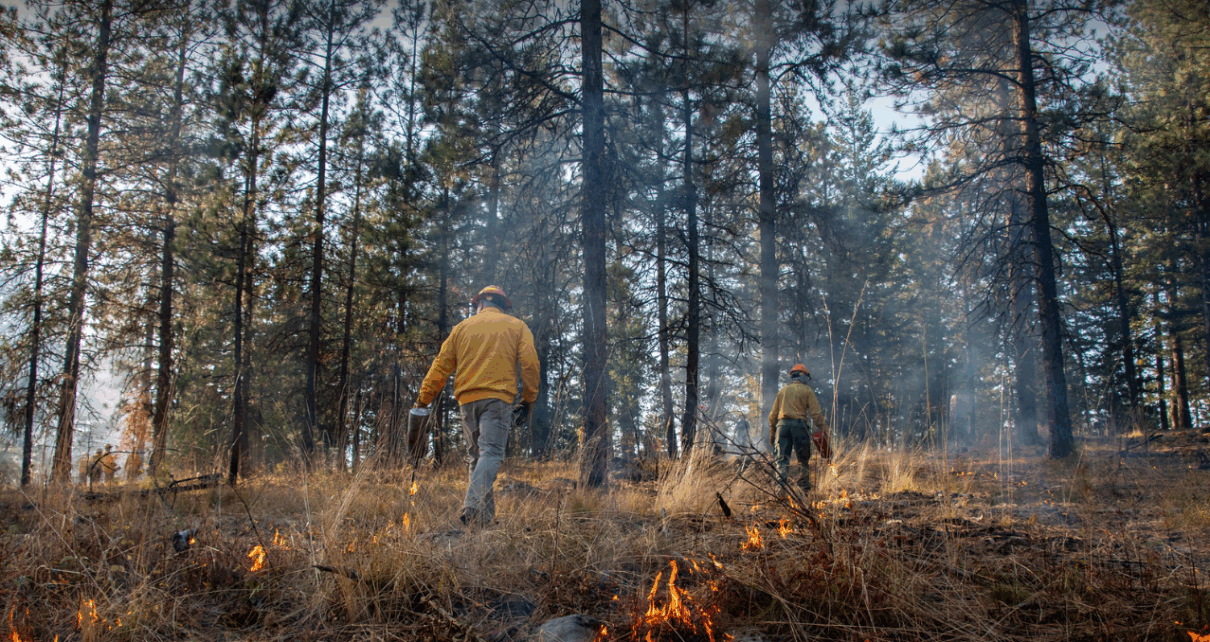
Among the most evidence-based and yet most suppressed of these practices is cultural burning, the intentional application of what Indigenous practitioners describe as “good fire” to the landscape by Indigenous knowledge holders to sustain healthy ecosystems, cultural responsibilities, and community livelihoods. Unlike conventional prescribed burning, which is generally designed to achieve specific forest management objectives, Indigenous cultural burning is guided by generations of place-based knowledge and governance responsibilities that sustain ecosystems, cultural practices, and community livelihoods simultaneously.
Research shows that regular cultural burning substantially reduces wildfire risk by lessening fuel loads, enhancing ecosystem health, and supporting the kind of landscape diversity that prevents small fires from becoming catastrophic. The consequences of excluding Indigenous fire stewardship from land management are evident in Canadian history, with Jasper National Park as a powerful example. Before the Park was established in 1907, the region was regularly maintained by Indigenous-managed fire. Yet after a century of fire suppression under park management, the landscape accumulated dangerous levels of overgrown vegetation, which ultimately fueled the catastrophic 2024 Jasper Wildfire, the largest in Alberta’s recorded history.
Despite this evidence, cultural burning faces considerable barriers under colonial policy. Historically, as colonial governments consolidated authority over forests and land management, Indigenous communities were stripped of their fire management autonomy. At the same time, colonial governments dismissed Indigenous fire knowledge as less legitimate than Western science. As a result, regulatory limitations require restrictive government oversight for burns; liability frameworks expose Indigenous communities to legal risk if a controlled burn escapes; inadequate funding exists for the preparation and execution of burns; and western wildfire management agencies have a persistent tendency to dismiss Indigenous fire knowledge as insufficiently scientific. While Canada spends roughly one billion dollars annually on wildfire suppression, comparatively little funding is directed toward proven preventive practices like Indigenous fire stewardship.
Concrete Steps Forward
British Columbia’s 2024 amendments to its Wildfire Regulation, which for the first time enabled Indigenous governing bodies to enter formal cultural burning agreements with the province, demonstrate that policy change is achievable. As wildfires increasingly exceed local capacities, similar provisions are needed at the federal level.
Three concrete steps would advance this agenda. First, the federal government should establish sustained and independent funding for Indigenous fire stewardship programs; not merely project-based grants, but long-term investments proportional to what Canada spends on wildfire suppression. Natural Resources Canada’s 2026 announcement of $1.25 million across six Indigenous wildfire preparedness projects acknowledges the value of Indigenous fire knowledge and constitutes a promising start; more ought to follow. Second, accreditation processes for cultural burning should be reformed to recognize Indigenous fire knowledge as a legitimate basis for certification, rather than requiring Indigenous practitioners to obtain accreditation through Western fire suppression frameworks that do not reflect their knowledge systems. Third, the federal government should formally engage with Indigenous Leaders’ calls for a First Nations Wildfire Authority – an Indigenous-led institutional body with the mandate and resources to prevent and respond to wildfires in Indigenous territories.
The 2026 wildfire season has revealed Canada’s growing wildfire management crisis, rooted in an overly reactive strategy that relies on military deployment and international firefighting assistance once disasters occur while underinvesting in the Indigenous stewardship practices that could prevent catastrophic fires. Treating Indigenous fire stewardship as core security infrastructure would reduce the strain on the CAF while better protecting Canada’s communities and ecosystems.