Global Health and Security

What Does Global Antibiotic Resistance Really Mean? And How Will it Affect Us?

Antimicrobial resistance, or AMR, occurs when bacteria changes in ways that make the drugs designed to counter them unsuccessful. This is not a new phenomenon, as resistance has been tracked since shortly after antibiotics entered widespread use in the mid-20th century. What’s changed is the scale and the speed. In October 2025, the World Health Read More…

Global Health and Security

The Global AI Race and Its Implications for Public Health Security: Risks and Opportunities

Artificial intelligence (AI) has rapidly become a defining feature of global strategic competition, with governments investing heavily in AI capabilities to strengthen economic competitiveness, technological leadership, and national security. While much of the discussion surrounding AI focuses on its transformative potential, less attention has been given to the broader implications of the infrastructure required to Read More…

Global Health and Security

When Infrastructure Becomes a Battlefield: Why Civilian Resilience Matters in Modern Conflict

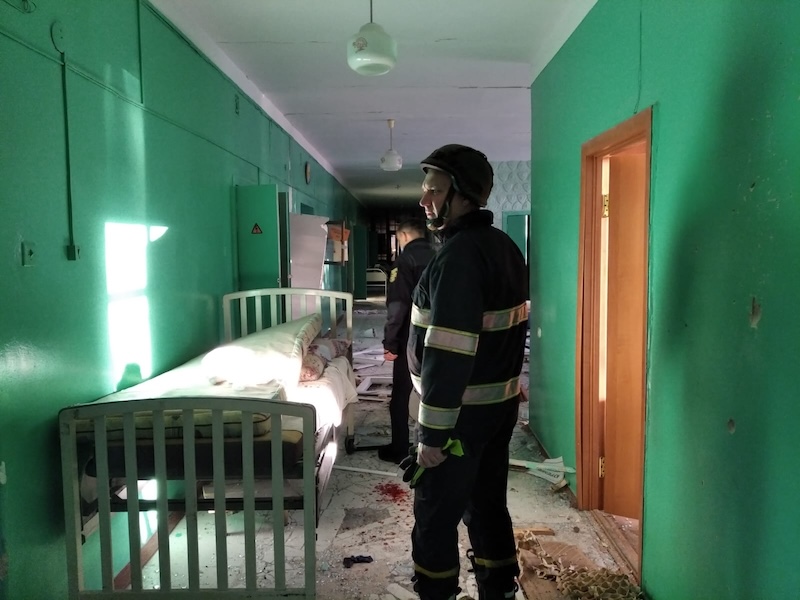
Over the years, modern warfare has shifted away from conventional battlefields to urban centers, exposing civilian populations and critical infrastructure to direct risk. Critical infrastructure refers to the facilities, systems and assets that are required for countries and economies to function properly. As a result, essential systems such as healthcare, energy, water, and communication networks Read More…

Global Health and Security

79th World Health Assembly: What Happened? And What Does It Mean For Canada?

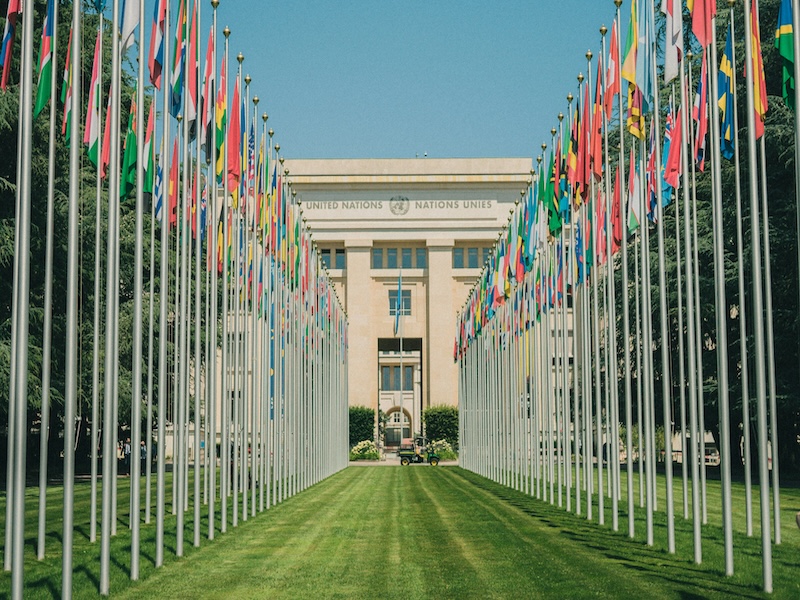
On the opening morning of the 79th World Health Assembly (WHA) in early May, the WHO Director-General, Dr. Tedros Adhanom Ghebreyesus, declared a Public Health Emergency of International Concern over the growing Bundibugyo Ebola outbreak in the Democratic Republic of the Congo (DRC); this marked the first time in the organization’s history that an Emergency Read More…

Global Health and Security

Hantavirus and Pandemic Preparedness: Lessons for Global Health Security After COVID-19

On May 2, 2026, the World Health Organization received notification of a hantavirus outbreak aboard a Dutch-flagged cruise ship. While the outbreak remains contained at the time of reporting, it has renewed policy attention to the persistent security risks posed by zoonotic diseases (any disease naturally transmissible between animals and humans) and the global systems Read More…

Global Health and Security

Canada’s Need for Binding AI Legislation Amidst Outsourcing of Canadians Health Data

Canada regards universal healthcare as a national value and a point of sovereign pride, yet the data that powers it (the diagnoses, treatment notes, and intimate clinical conversations recorded by AI scribes etc.) are currently being processed through servers which fall under American law, with no binding Canadian standard for how it is stored or Read More…

Global Health and Security

Impact of Forced Migration on Canada’s Healthcare System and the Limits of NATO’s Post-Evacuation Support

As global conflict, climate change, and poverty continue to drive people from their homes, the number of refugees and cases of forced migration keep rising. By mid-2024, over 122 million people worldwide had been displaced from their homes, marking the twelfth consecutive year of increasing displacement numbers and a trend which shows no indication of Read More…

Global Health and Security

Interdependence Under Strain: Geopolitics and the Future of Medical Supply Chains

Global medical supply chains are among the most complex and interdependent systems in the modern world, linking raw material producers, manufacturers, distributors, and healthcare providers across multiple continents. This interdependence has historically enabled efficiency, cost reduction, and broad access to life-saving medicines and technologies. However, recent geopolitical tensions, coupled with the lessons of the COVID-19 Read More…