Joelle Reimer is a Junior Research Fellow with the NATO Association of Canada's Global Health and Security Program. She is currently completing a Master’s in International Affairs at the Norman Paterson School of International Affairs at Carleton University in Ottawa, and holds a B.A. (Hons) in Political Studies from the University of Manitoba. Her international experience includes living in London, UK, participating at the UN Commission on the Status of Women in New York, and currently as an SDG 5 Gender Equality Fellow with the United Nations Association in Canada. She looks forward to advancing policy dialogue surrounding global health, gender-informed policy, international security, and peacebuilding.
Joelle Reimer explores the intersection of emerging technology, privacy, and women’s security in her latest article for the NATO Association of Canada, “When Surveillance Becomes Wearable: AI Smart Glasses and the New Threat to Women’s Security.” The article examines how AI-enabled smart glasses can facilitate non-consensual surveillance, including covert recording, stalking, and image-based abuse, and why addressing the gendered security implications of wearable AI is increasingly important as these technologies become more widespread.
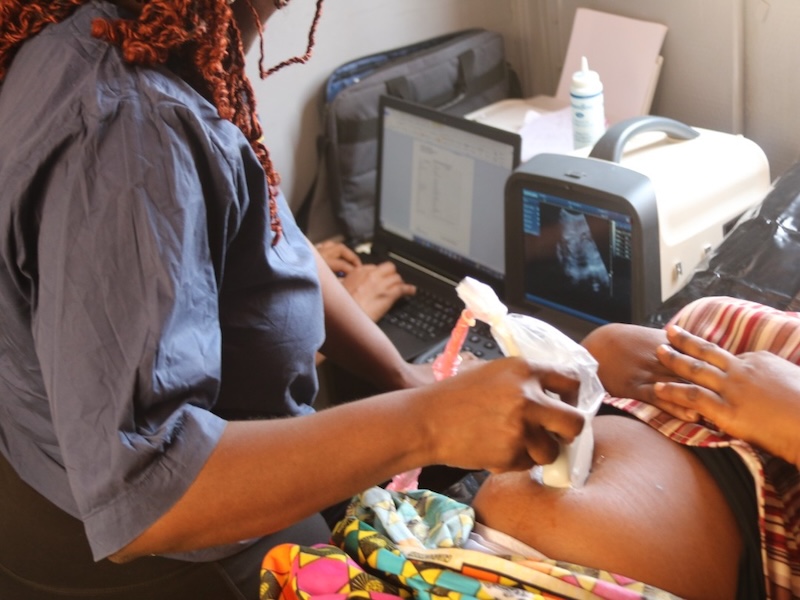
Armed conflict is often measured by territorial gains, military casualties, and geopolitical consequences. Yet one of its most enduring and overlooked consequences is the destruction of health systems and the disproportionate burden placed on the health of women and girls. As conflicts become increasingly protracted, attacks on healthcare facilities, the displacement of civilians, and widespread Read More…
Artificial intelligence (AI) has rapidly become a defining feature of global strategic competition, with governments investing heavily in AI capabilities to strengthen economic competitiveness, technological leadership, and national security. While much of the discussion surrounding AI focuses on its transformative potential, less attention has been given to the broader implications of the infrastructure required to Read More…
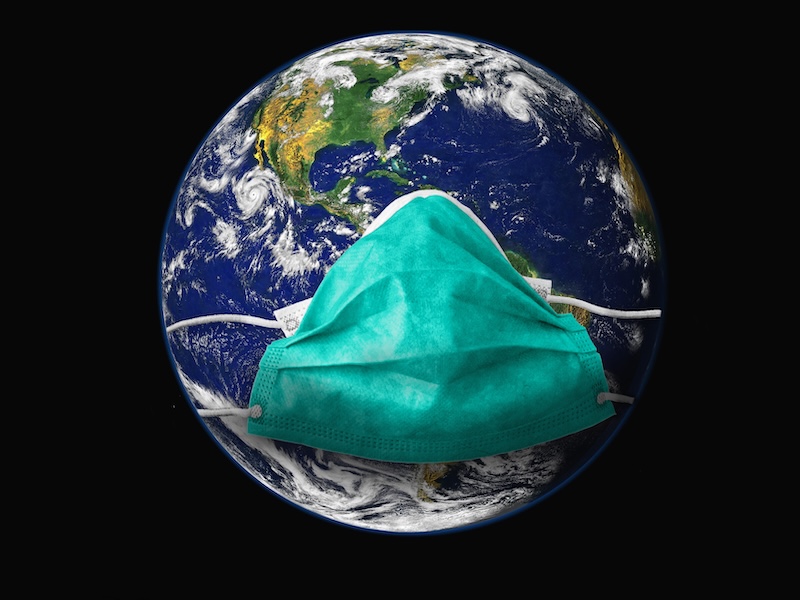
On May 2, 2026, the World Health Organization received notification of a hantavirus outbreak aboard a Dutch-flagged cruise ship. While the outbreak remains contained at the time of reporting, it has renewed policy attention to the persistent security risks posed by zoonotic diseases (any disease naturally transmissible between animals and humans) and the global systems Read More…