What happens if Canada’s new submarines arrive late? In this article, Pavit Sidhu examines the risks of a submarine capability gap and argues that Canada should put lower-cost stopgap measures in place while it waits for the new fleet.
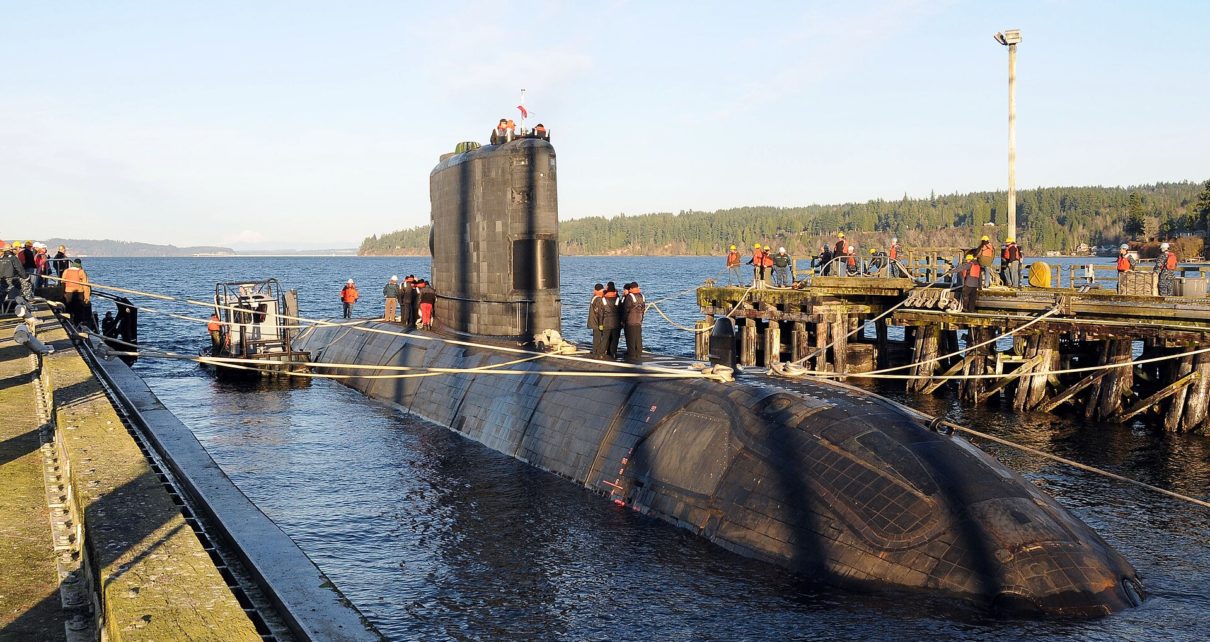
What happens if Canada’s new submarines arrive late? In this article, Pavit Sidhu examines the risks of a submarine capability gap and argues that Canada should put lower-cost stopgap measures in place while it waits for the new fleet.
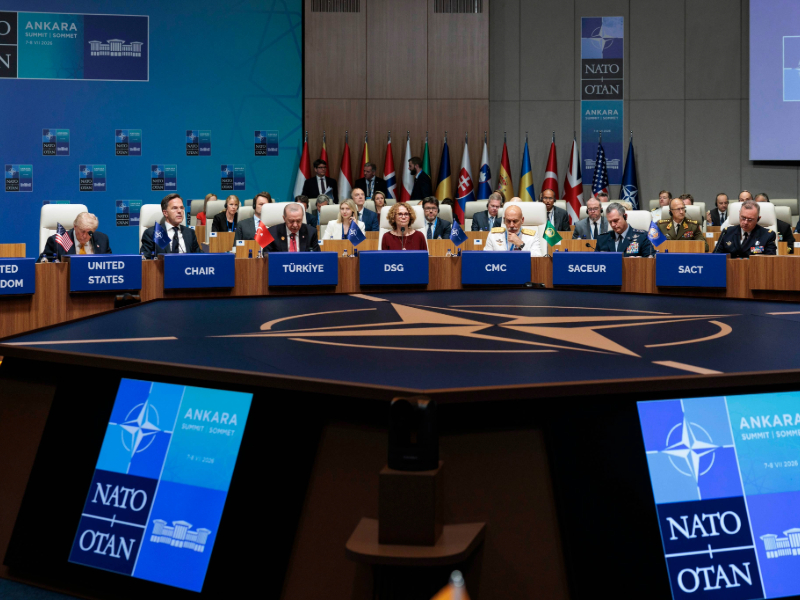
NATO’s relationship with its Indo-Pacific Four (IP4) partners, Australia, Japan, New Zealand and South Korea, now runs mainly through working-level defence industrial cooperation rather than summit diplomacy. This shift began under the joint framework agreed at the 2025 Hague Summit, but it operates as four separate bilateral tracks with no common defence industrial venue. The Read More…
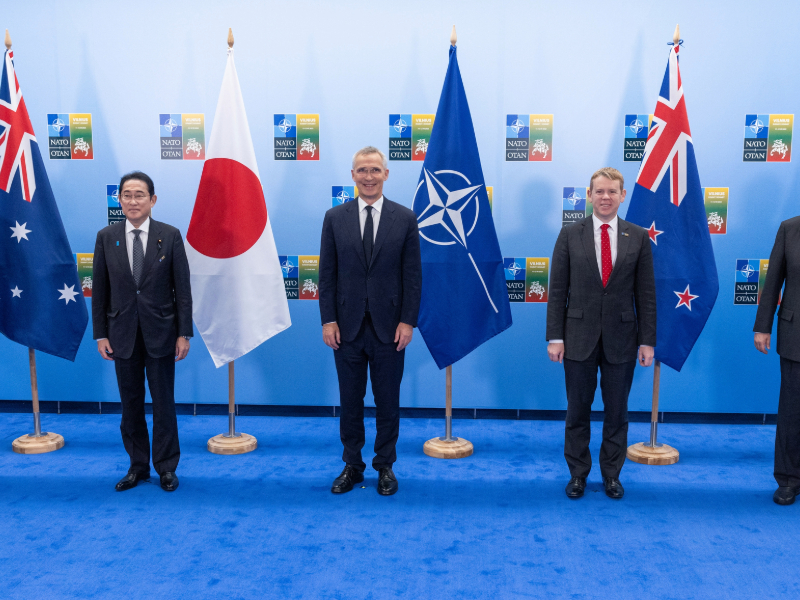
As the 2023-2026 cycle of Individually Tailored Partnership Programmes (ITPPs) between NATO and Australia, Japan and South Korea draws to a close, it is worth examining how the alliance is approaching the varying interests of its Indo-Pacific partners. NATO formed ITPPs with Indo-Pacific 4 (IP4) partners Australia, South Korea and Japan in 2023, and New Read More…
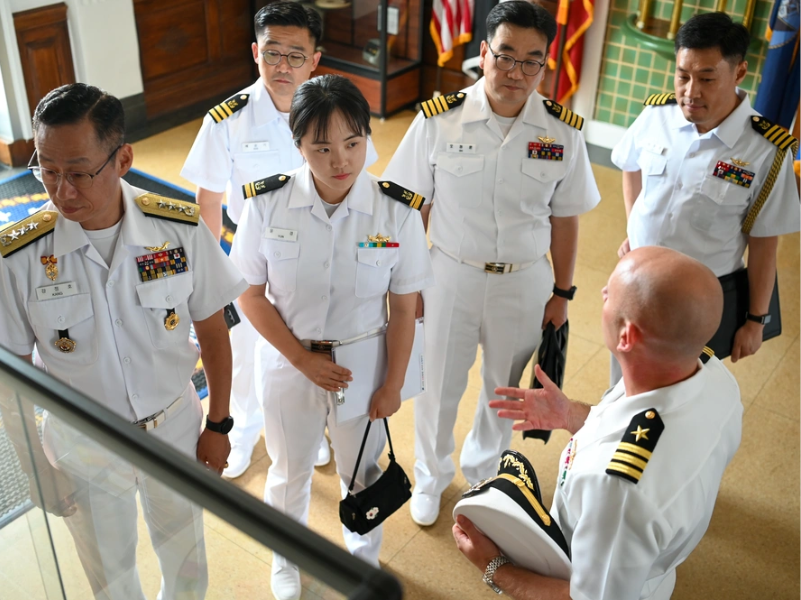
Relations between the Republic of Korea and NATO began in 2005 and have since evolved from a purely diplomatic partnership into closer strategic and military cooperation. Due to the recent escalation in the Middle East and the escalating war in Iran, the government of South Korea is evaluating its potential contributions to regional stability. A key question facing the South Korean government is whether to support Read More…
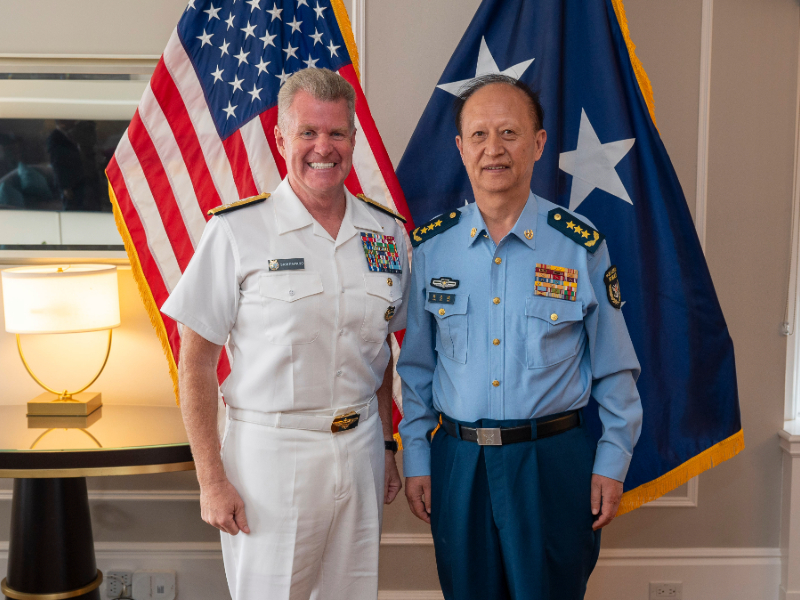
On the sidelines of the 28th Indo-Pacific Chiefs of Defense Conference in Victoria, BC, Admiral Samuel Paparo, commander of U.S. Pacific Command (PACOM), met privately with his Chinese counterpart, General Yang Zhibin, commander of the People’s Liberation Army’s (PLA) Eastern Theater Command. This was the first time in more than two years that senior commanders Read More…
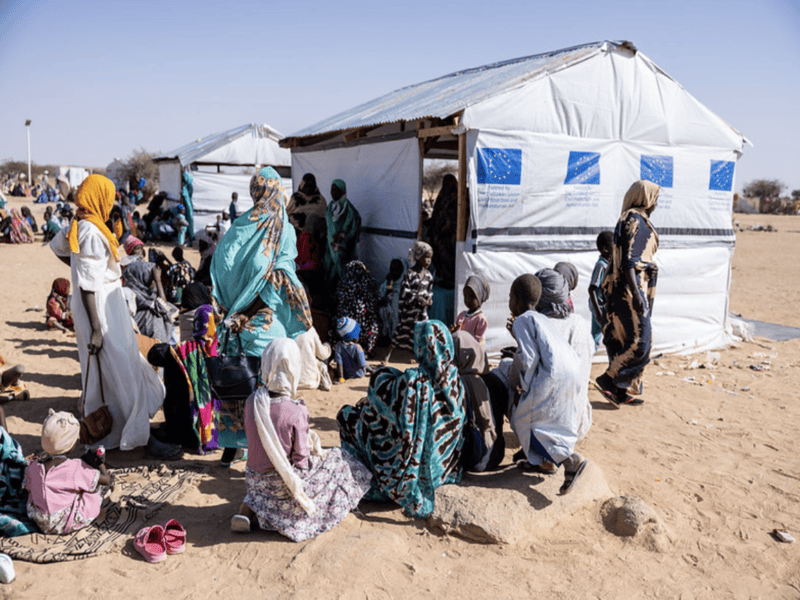
This article written by Hala Gharaibeh examines how the breakdown of civilian protection in Sudan has increased women’s vulnerability to conflict-related sexual violence, and why addressing CRSV is essential to conflict prevention, civilian protection, and human security.
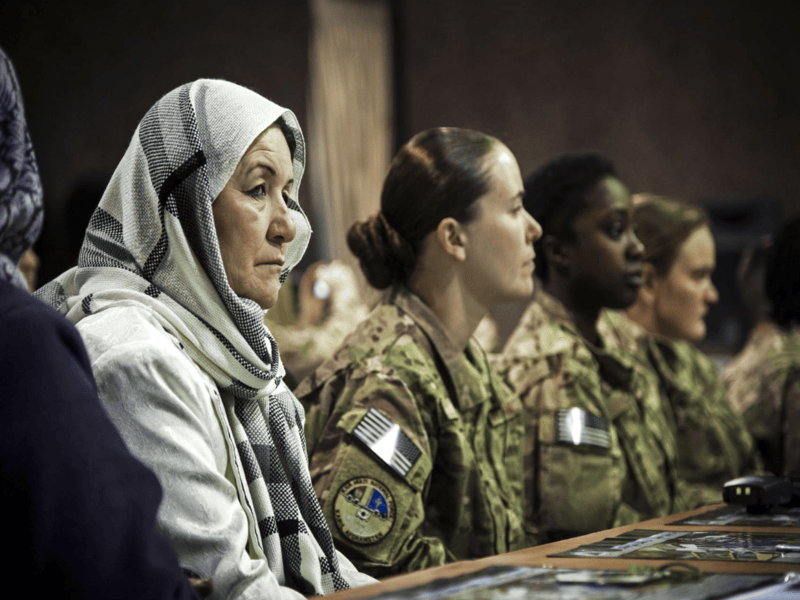
As Guyana emerges as a strategic energy partner, the rapid expansion of its oil sector and heightened tensions along the Essequibo border are reshaping the country’s security landscape. This article examines how resource competition, migration, and militarization intersect with the Women, Peace and Security (WPS) agenda, highlighting the risks of gender-based violence, human trafficking, and underinvestment in critical social services.
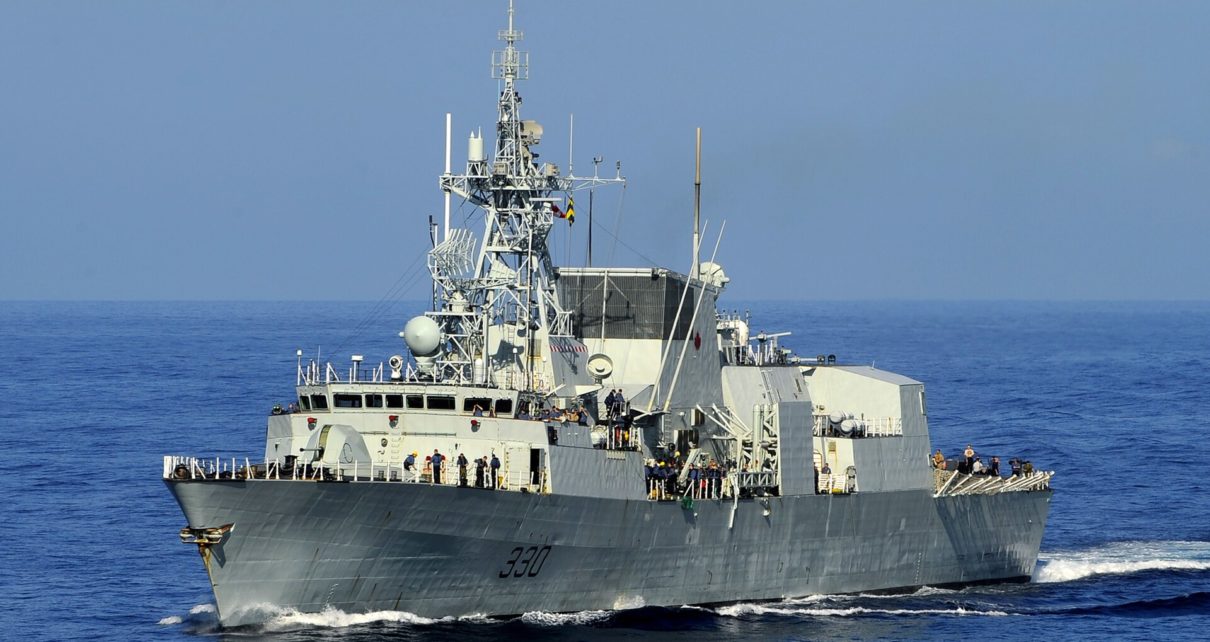
As NATO countries increase defence spending amid rising geopolitical tensions, Canada faces pressure to strengthen its military. The federal government has committed billions of dollars to modernizing the Canadian Armed Forces (CAF), but increased spending does not automatically translate into greater military capability. Major defence projects have faced years of delays, while personnel shortages and Read More…
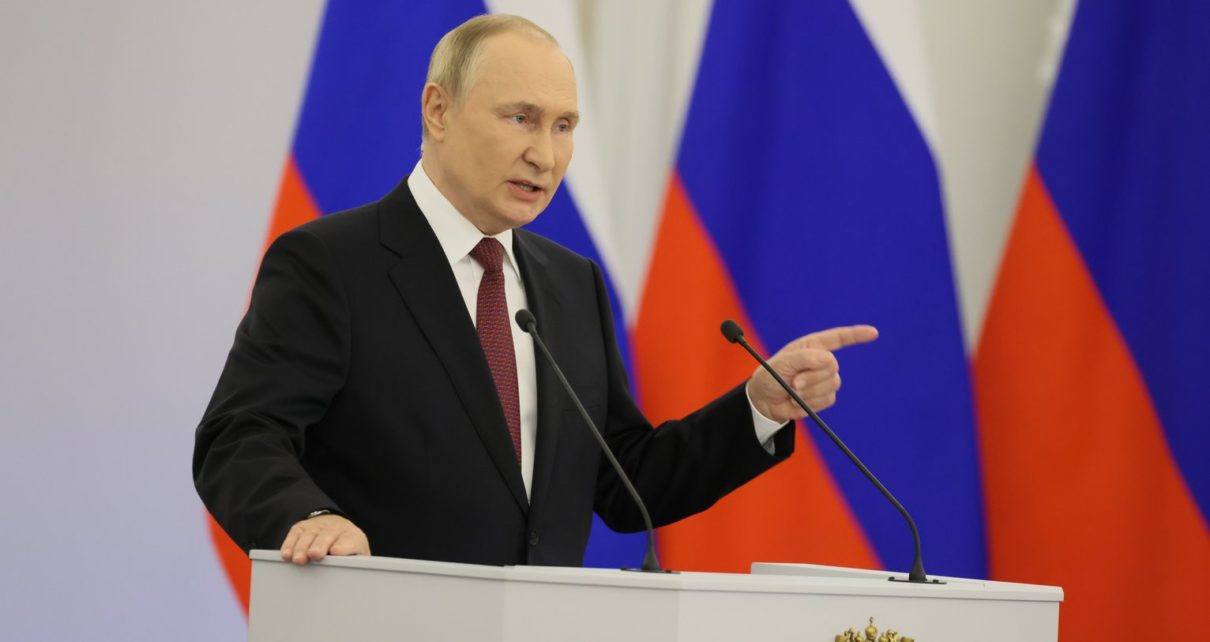
With rumblings that Russia might provoke neighbouring NATO member states, Zev Wood seeks to unravel Putin’s rationale and strategy. He argues that to counter potential military encroachments by Russia, Canada and NATO should remain steadfast in increasing deterrence posture, while simultaneously remaining aware of the potential blowback effects that accompany such a path. Using deterrence theory, Zev concludes that Canada should advocate for a strategy that combines credible deterrence and diplomatic off-ramps to reduce the potential for further escalation.
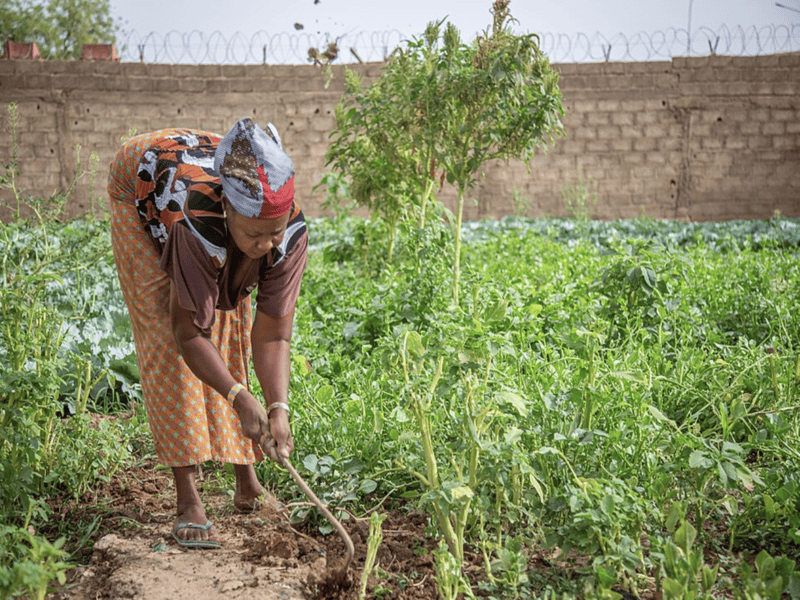
Women play an important role in agricultural and food systems, where food security, climate, and trade are connected and reinforce concepts that have economic and societal impacts. Recent geopolitical events and disruptions in the global supply chain have highlighted the necessity of including gender provisions in climate and trade agreements through mechanisms such as the Women, Peace, and Security (WPS) agenda, which contribute to the security and well-being of women around the world.