Isabelle Zhu Women in Security

The Middle Power Moment: Canada’s WPS Opportunity in the Indo-Pacific

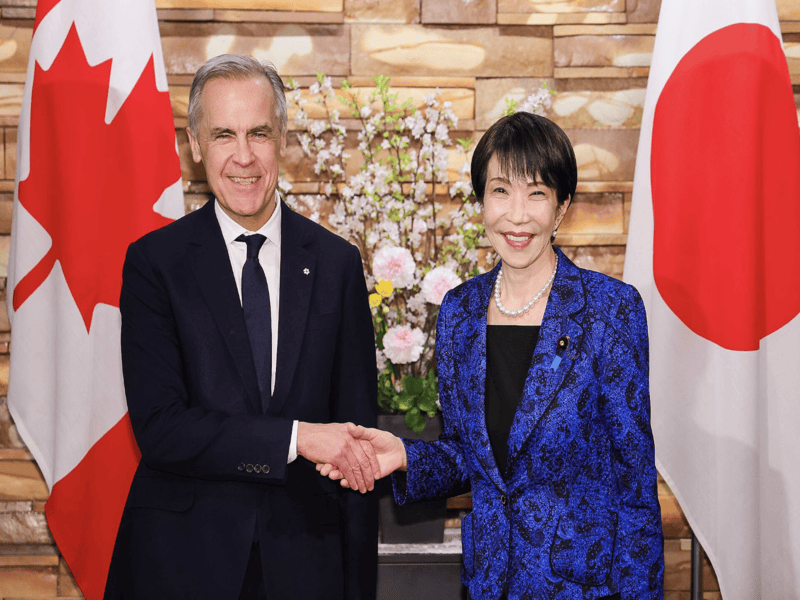
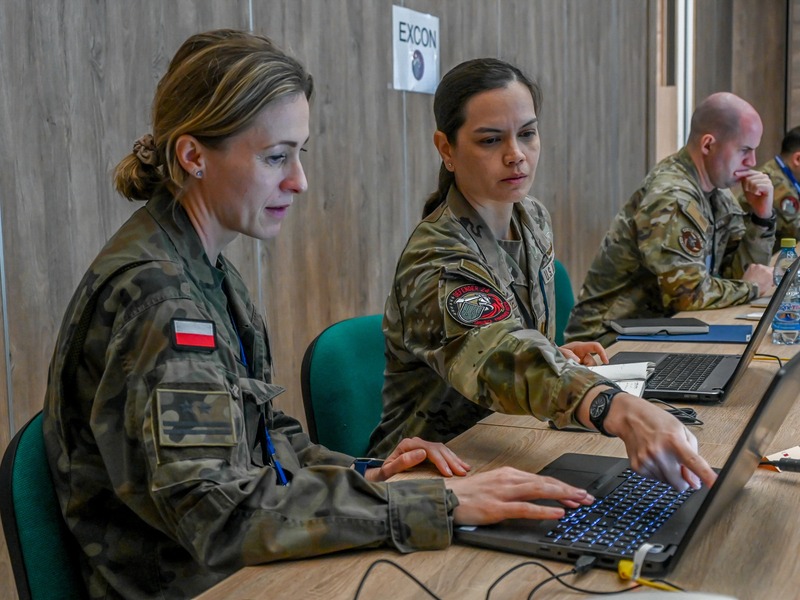
Canada’s shift to the Indo-Pacific for trade, economic, and defence opportunities is a strategic pivot away from the United States to create key partnerships and establish diplomatic ties. This also highlights an avenue for Canada to reaffirm its commitment to the broader values and principles represented by the Women, Peace, and Security (WPS) agenda, where the US appears to have abandoned the cause. Isabelle Zhu argues that in this new geopolitical landscape, Canada can leverage its soft power and emerge as an engaged and dependable ally from security and defence to trade and energy, but also in principles and values, which contributes positively to Canada’s normative reputation and international visibility.

Isabelle Zhu Women in Security

At a Crossroads: Can Canada Meet the Moment For its Feminist Foreign Policy?

Canada’s new plan to name a new Women, Peace and Security (WPS) ambassador is a positive signal, considering WPS and Feminist Foreign Policy (FFP) have historically been a reflection of Canadian values, as champions of peace and multilateral cooperation. Isabelle Zhu argues that Canada’s current “middle power” strategy would allow it to move forward as the new champion of FFPs and WPS, enhancing its position within the Alliance and on the international stage.

Isabelle Zhu Women in Security

Innovation and Inclusion: Leveraging NATO DIANA to Advance Women in STEM

Isabelle Zhu argues that NATO DIANA can serve as a key platform to uplift women in STEM. By providing opportunities to connect women across the Alliance with the private and public sectors, government, and academia, DIANA has the potential to advance women’s involvement and participation in these fields.

Isabelle Zhu Women in Security

Breaking Barriers from the Battlefield: Women Journalists Reporting From the Front Lines

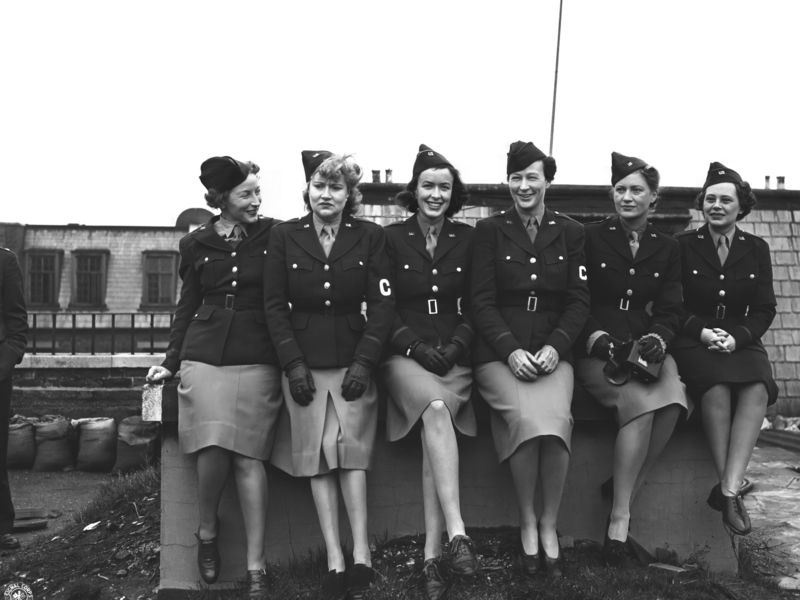
Female journalists experience harmful stereotypes, increased susceptibility to violence, and additional barriers, especially when reporting in conflict zones. Journalism is a crucial mechanism that contributes to peace and security, and it is essential to support women in this space as they add differing perspectives in this traditionally male-dominated space.

Isabelle Zhu Women in Security

More Than Just a Woman: Exploring Peacekeeping Operations Through a Multifaceted Lens

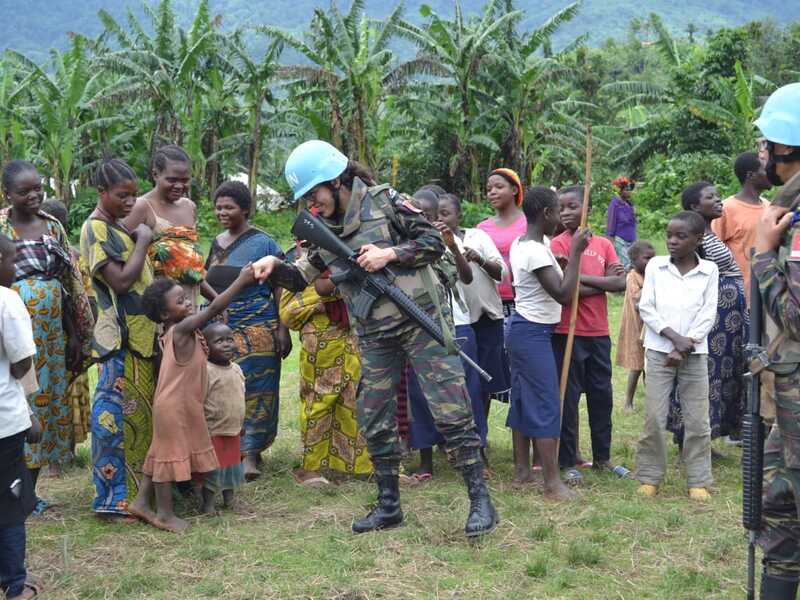
Overlapping structural barriers, including economic inequality, racism, and social inequalities, work to limit women’s agency, reinforcing problematic assumptions around gender and reasons for women’s inclusion. Contextual considerations to peacekeeping operations (eg. geography, history, culture) as well as overlapping factors that affect women’s experiences should be accounted for when determining responsibilities/mandates. Missions could benefit from incorporating an intersectional perspective, beyond just the gendered dimension; race, class, sexuality, and other social identities have organizational, institutional, and field-level effects in the conflict resolution process.

Isabelle Zhu Women in Security

Shifting Priorities in Ukraine: Is NATO’s WPS Agenda Under Threat?

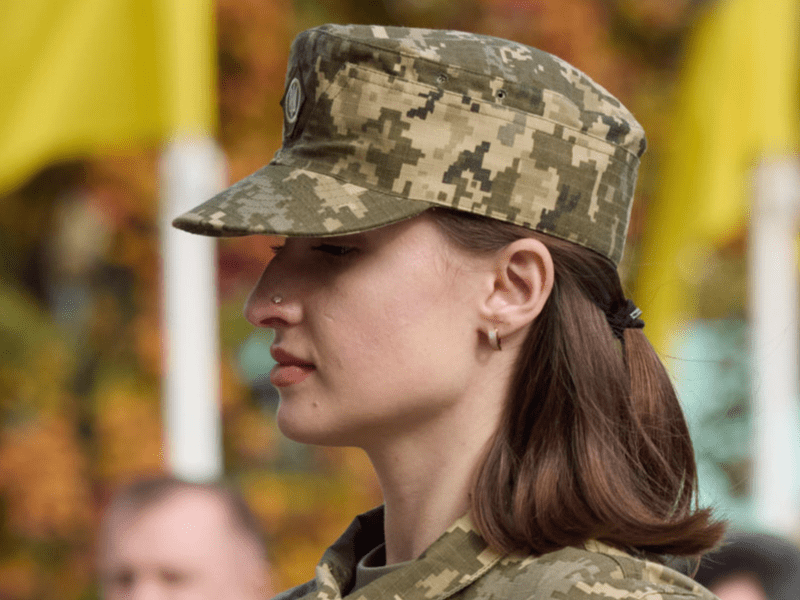
WPS policies are often disregarded when matters deemed of higher priority emerge, despite NATO’s high engagement of WPS values through public diplomacy, military, and political means. Russia’s invasion of Ukraine has posed the biggest security crisis to NATO in decades, and considering the gendered dimensions of the war, which has seen high rates of sexual and gender
based violence, NATO’s limited WPS response leaves the future of the Agenda in question. As a core tenet of NATO’s values, WPS must not be disregarded; member states that have adopted FFPs, such as Canada, should continue to drive the WPS agenda forward. This article makes key recommendations, including shifting to a human rights-based approach (HRBA) and employing more intentional language in operational directives, to support Ukraine’s current WPS policies.