Cyber Security and Emerging Threats

Assessing Canadian Nuclear Latency Amidst Declining Confidence in Extended Nuclear Deterrence 

As confidence in American commitments declines, new extended nuclear deterrence arrangements are emerging in the EU. Canada, geographically distinct from this emerging network, thus ought to reassess its nuclear- latent stance. The article concludes continued nuclear latency is the most strategic positioning for Canada.

Cyber Security and Emerging Threats

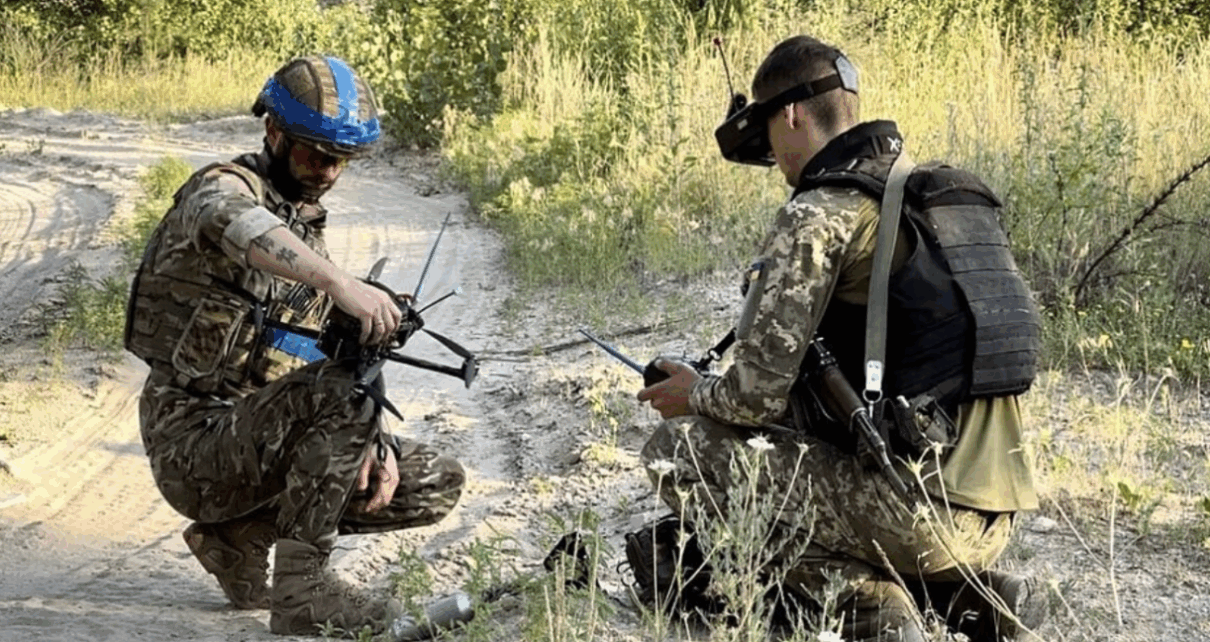
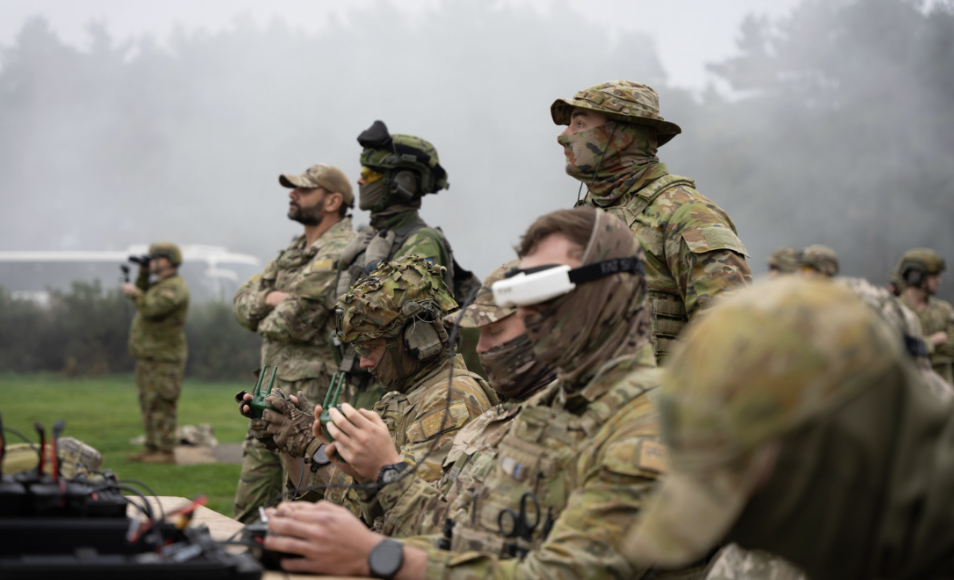
Emerging Intelligence Market: Know-How and Training for Combat Drone Usage

From Kyiv to Tehran, states are building new partnerships around drone warfare knowledge, training, and battlefield innovation. This article uses a SWOT analysis approach to explore NATO’s position and potential in the emerging global know-how market.

Cyber Security and Emerging Threats

Nuclear Allegations and Rhetoric Continue to Undermine Global Peace

Hope Arpa re-evaluates the logic of nuclear deterrence in the context of nuclear programs allegation’s use to justify interventions. The article considers allegations of nuclear programs as motivators of preemptive strikes, discursive tools to justify intervention politically and socially, and the perception of enemy states as nuclear ambitious causing security dilemmas. The root cause of these conflicts is not necessarily framed as exclusively the nuclear weapons themselves, but the international system’s framing of them as the ultimate ‘self-defense’ tools.

Cyber Security and Emerging Threats

Protecting Arctic Cyberinfrastructure: Quantum Sensors for Domain Awareness in the North

This article discusses how the adoption of quantum sensing technologies will likely advance cybersecurity by enabling greater protection of infrastructure, detection of attacks, and attribution to attackers, particularly in the Arctic.