Neural interfaces are entering NATO’s own defence health systems, and existing cybersecurity frameworks weren’t built for them. This article lays out what NATO should do before the gap is exploited.

Neural interfaces are entering NATO’s own defence health systems, and existing cybersecurity frameworks weren’t built for them. This article lays out what NATO should do before the gap is exploited.

NATO’s 2025 Science and Technology Organization Highlights report offers a snapshot of an Alliance pushing technological boundaries while struggling to align the systems behind them. Across data fusion, autonomy, and multidomain operations, innovation is accelerating faster than integration. These seams now shape the contours of NATO’s modernization challenge.
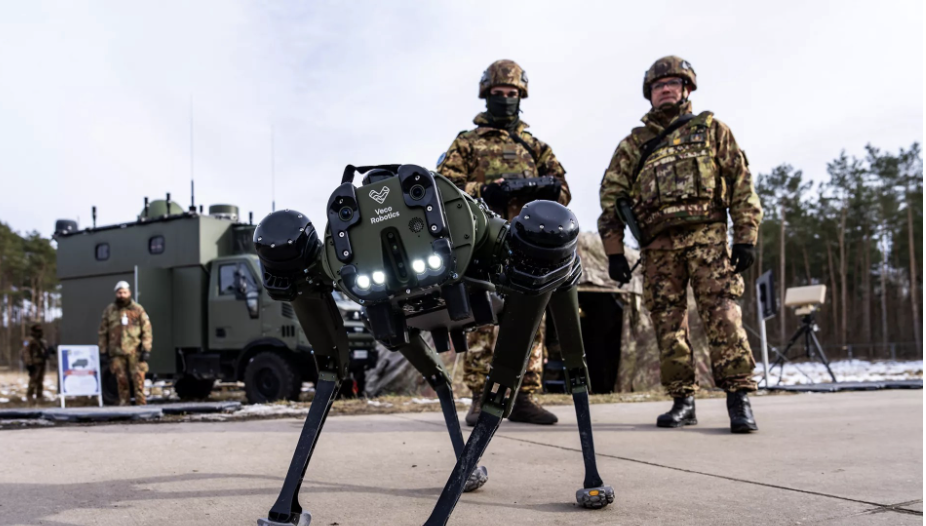
The 2025 Science and Technology Organization (STO) Highlights Report is a stark reminder that in an environment characterized by compressed decision cycles and rapid response requirements, technological military advantage depends less on possessing advanced systems than on how seamlessly they operate across domains, nations, and architectures. Progress in integrated platforms and autonomous sensing and countermeasure Read More…

Conflict follows the currents of scarcity, and NATO must navigate a world where the most dangerous battles are fought over what no longer flows freely. These behaviours signal a shift in how conflict will unfold: not only through conventional force, but through the manipulation, withholding, and weaponization of essential resources. This article explores three plausible scenarios – oil dominance, water ascendancy, and a dual‑pressure world – to map how resource hoarding could shape the next generation of conflict in the Middle East and beyond, and what this means for NATO’s strategic posture in the decades ahead.
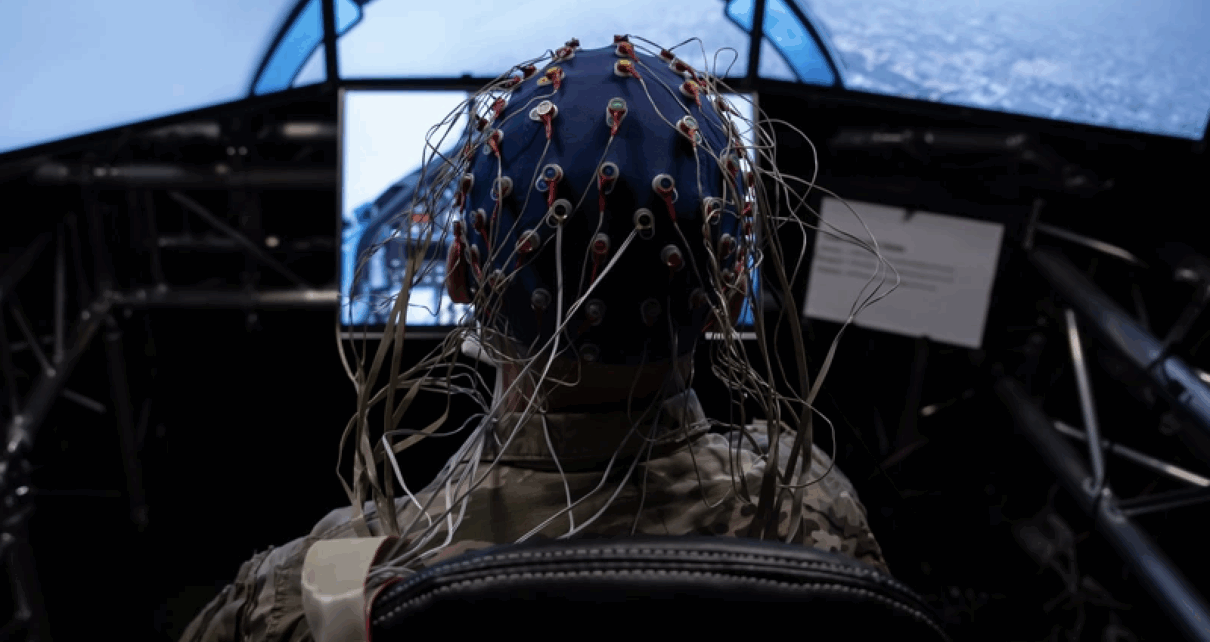
In the shadow of artificial intelligence, governments are pouring billions into technologies that collapse the distinction between human thought and machine computation. If NATO does not intervene early, it risks ceding strategic influence to competitors who view the mind as a domain for military advantage. Yet the strategic promise of neurotechnology is matched by questions about control, accountability, and exploitation that the Alliance cannot afford to ignore. NATO must move quickly, but through a phased approach that balances innovation with the protection of cognitive integrity.

This article argues that without integrating IP protection into its cyber, emerging and disruptive technologies, and innovation strategies, NATO risks undermining the very technological edge it seeks to secure.