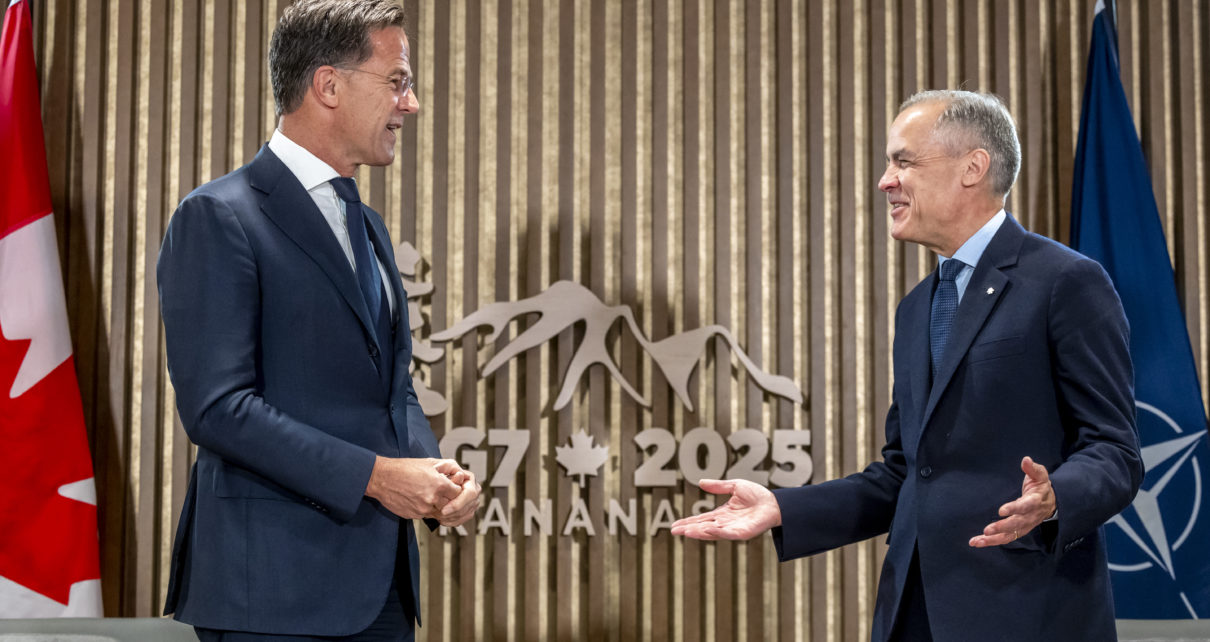
As the European Union moves to a more structured defence-industrial strategy, its new programmes are beginning to shape who gets financed to produce what, and on what terms. Canada has secured rare, privileged access to this emerging system through SAFE, but access alone does not guarantee durable industrial relevance. Are Canada, and allies, able to be meaningfully included?
Tag: Canada
Women on the Northern Front: Canadian Women Leading Arctic Resilience
As Arctic security becomes increasingly central to Canada’s defence strategy and the broader priorities of NATO, women and notably Indigenous women, retain imperative roles in deploying Canada’s northern security strategy. Integrating women’s leadership into Arctic defence planning is critical to ensuring that Canada’s northern security strategy is both operationally effective and socially sound. This article aims to highlight key women currently contributing to Canada’s Arctic strategy, as well as illuminate the broader gendered implications of resilience in the North.
La souveraineté canadienne à l’épreuve du Passage du Nord-Ouest
Avec la fonte accélérée des glaces, le Passage du Nord-Ouest devient progressivement navigable, transformant une route longtemps marginale en un enjeu central du commerce et de la sécurité internationale. Cette évolution remet directement en cause le statut juridique de cette voie maritime et, par conséquent, la capacité du Canada à en contrôler l’accès. L’importance croissante Read More…
Les algorithmes au pouvoir : comment l’IA redéfinit la guerre de l’information?
Dans l’espace numérique, l’information circule à une vitesse inédite. Les réseaux sociaux permettent à chacun de diffuser des contenus en quelques secondes auprès d’un public mondial, favorisant les échanges d’idées à grande échelle. Pourtant, ils facilitent aussi la propagation de contenus trompeurs. Avec l’essor de l’intelligence artificielle (IA), cette réalité a franchi un nouveau cap Read More…
Breaking Barriers from the Battlefield: Women Journalists Reporting From the Front Lines
Female journalists experience harmful stereotypes, increased susceptibility to violence, and additional barriers, especially when reporting in conflict zones. Journalism is a crucial mechanism that contributes to peace and security, and it is essential to support women in this space as they add differing perspectives in this traditionally male-dominated space.
Not Just a Submarine: South Korea’s Bid and Canada’s Indo-Pacific Strategy
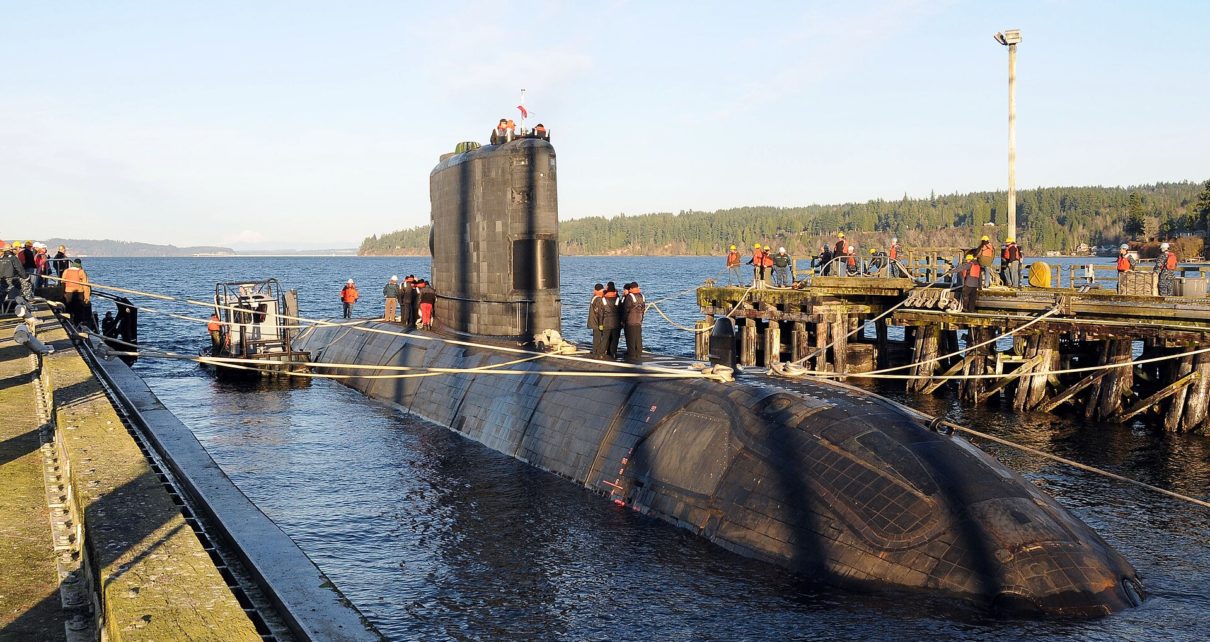
As Ottawa weighs its next submarine fleet, the stakes extend far beyond procurement. Tasneem Gedi argues that South Korea’s KSS-III could help Canada restore its undersea capabilities, strengthen its Indo-Pacific posture, and lay the foundation for a deeper defence relationship with Seoul. In a more demanding world, that makes this a strategic decision with consequences well beyond the navy itself.
The power of Atom, shared: Future of Canada’s extended nuclear deterrence within NATO.
Recent shifts in US defence policy have cast doubt on the reliability of the American nuclear umbrella that Canada and NATO allies have relied on for decades. While European states explore alternative deterrence arrangements through possible nuclear sharing by France and the UK, Canada’s access to these options is limited by its geography. This article argues that Canada can address this vulnerability without compromising its non-proliferation commitments by deepening its role in NORAD. Canada’s strategic importance to North America’s Arctic defence gives Ottawa unique leverage – which it should actively use to reinforce its membership within the American extended nuclear deterrence in face of mounting global security challenges.
Can External Recruitment Address Skill Shortages in the Canadian Armed Forces?
As the Canadian Armed Forces (CAF) continue to operate below authorized strength, the Government of Canada has announced plans to create a pathway for skilled foreign military recruits to help fill shortages in critical occupations. This reflects a broader challenge facing allied militaries: how to fill urgent personnel gaps without creating new long-term problems. This article examines whether foreign recruitment is becoming a lasting part of force generation or whether it is being used to respond to ongoing personnel pressures.
Drawing on examples from the United States, the United Kingdom, and France, the article argues that external recruitment works best when it is connected to broader personnel planning, domestic training systems, and retention efforts. While it can help ease pressure in high-skill occupations such as aviation and medicine, its long-term value depends on whether it strengthens the force over time. The analysis suggests that foreign recruitment can support capability, but its overall value will depend on how well it fits within Canada’s wider workforce approach.
“Building Canada Strong”: an Investigation of Opportunities for Women in Canada’s Procurement Strategy
Canada’s Defence Industrial Strategy (DIS) aims to strengthen national defence posture by investing in domestic supply chains. This article explores whether the opportunities created by this expansion will produce meaningful gains for women in Canada’s defence and security industries. By examining initiatives among leading Canadian defence firms, this article assesses current efforts to promote women’s industrial participation and prescribes how the DIS can pursue gender-inclusive growth among Canada’s broader defence procurement strategy.
Protecting Arctic Cyberinfrastructure: Quantum Sensors for Domain Awareness in the North
This article discusses how the adoption of quantum sensing technologies will likely advance cybersecurity by enabling greater protection of infrastructure, detection of attacks, and attribution to attackers, particularly in the Arctic.