Aanvi Sharma is an undergraduate student at the University of Toronto pursuing Economics and Finance. She has a strong interest in research at the intersection of environmental sustainability, climate change, and policy. Aanvi is particularly interested in how economic and financial systems can support resilient and sustainable outcomes. Her research interests include climate security, sustainable infrastructure, and the economic dimensions of environmental governance.
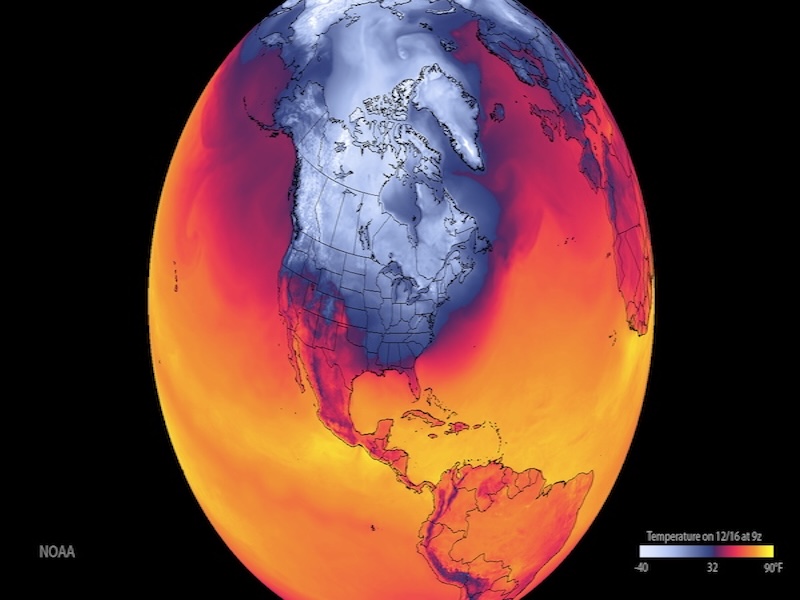
Should NATO Treat Climate Data as Strategic Intelligence? Climate change is recognised as a major threat that is shaping global security. Rising temperatures and extreme weather patterns are affecting economic stability and infrastructure resilience. As these risks become more frequent, climate data has become an important tool for anticipating these threats. Climate data is long-term Read More…
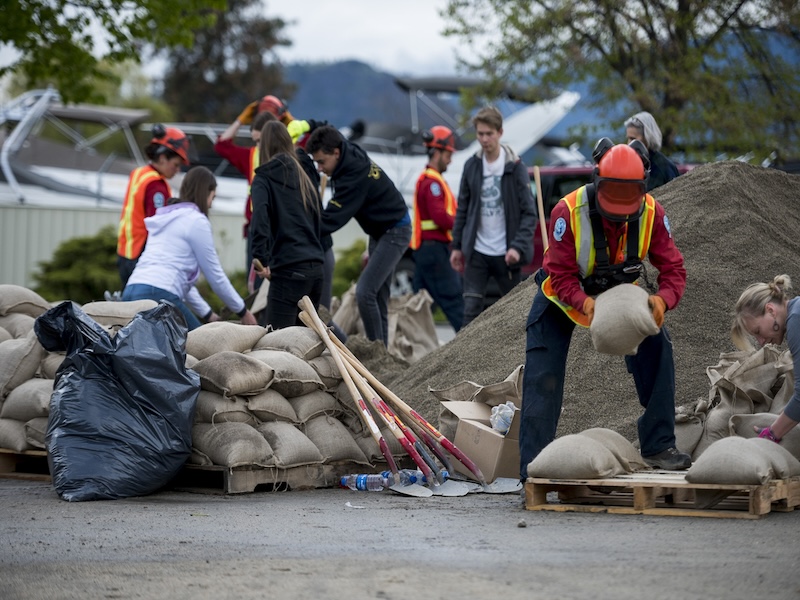
Climate change is increasingly shaping the security environment across the North Atlantic. Extreme weather events, including flooding, wildfires, heatwaves, and coastal storms, are placing growing pressure on infrastructure, emergency response systems, and economic activity. Recognising these dynamics, NATO’s 2022 Strategic Concept acknowledges that climate impacts affect military operations, degrade critical infrastructure and shape geopolitical competition. Read More…