Laiba Awan is completing her Master’s in Political Science at the University of Calgary, where her research explores human security, climate change, and terrorism through Complex Systems Theory. She is a Fellow with Results Canada, contributing to policy on poverty reduction and health equity, and in 2025 she served as a Media Officer at the G7 Summit, supporting high-level media operations. She has also contributed to academic innovation as a co-author with the Taylor Institute for Teaching and Learning, including the chapter “Navigating the Rockies of Academia through Collective Care.” Most recently, she was appointed a Junior Research Fellow with NATO Canada under the Environment, Climate Change, and Security Program, and looks forward to further advancing dialogue and policy at the intersection of global security, environment, and climate change.
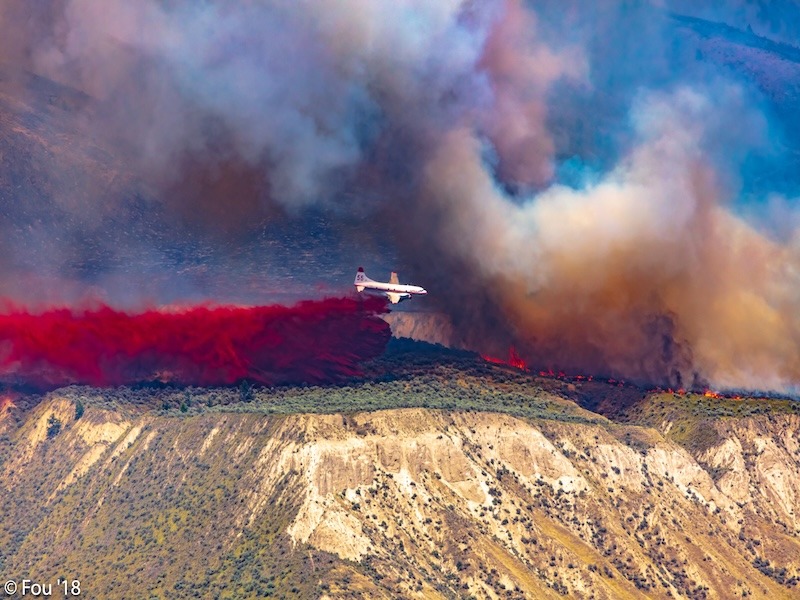
In 2023, more than 2,100 Canadian Armed Forces members were deployed across six provinces and territories for more than four months to assist Canada’s worst wildlife season in 30 years. Canada has increasingly integrated climate change into its defence strategy, recognizing it as a threat multiplier affecting military readiness, infrastructure resilience, Arctic security, and operational Read More…
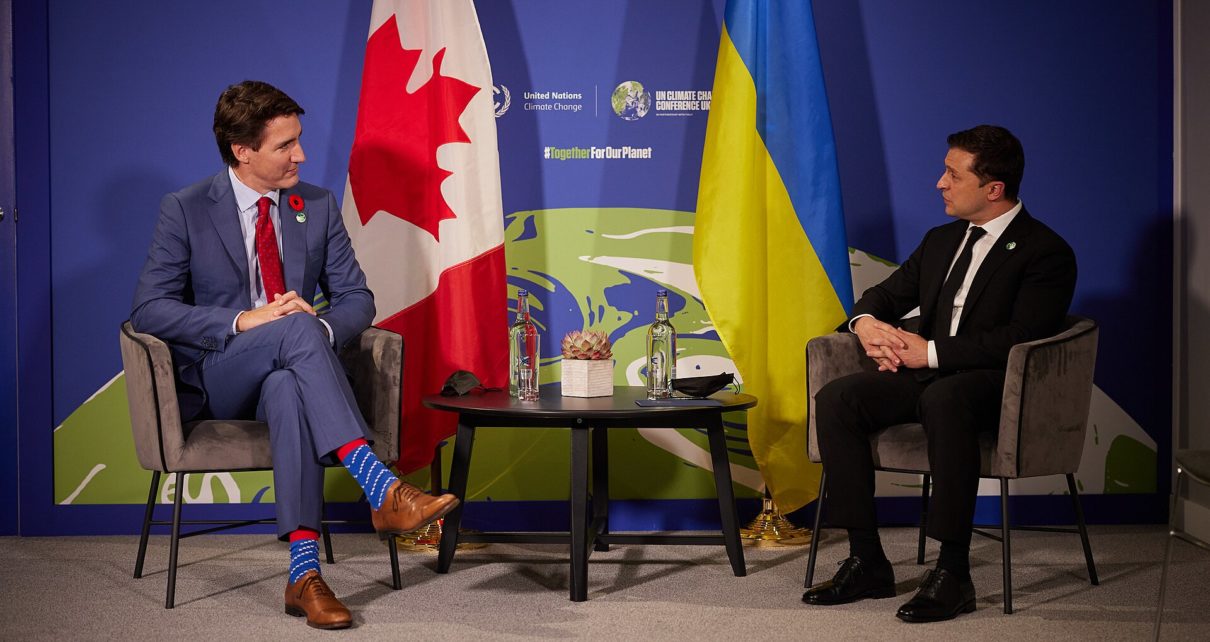
Canada has increasingly recognized that climate change is not only an environmental issue but also a growing national and international security challenge. As a founding member of NATO, Canada has aligned its defence policies with the Alliance’s climate objectives by integrating climate considerations into military planning, resilience, and emissions reduction. NATO has committed to reducing Read More…
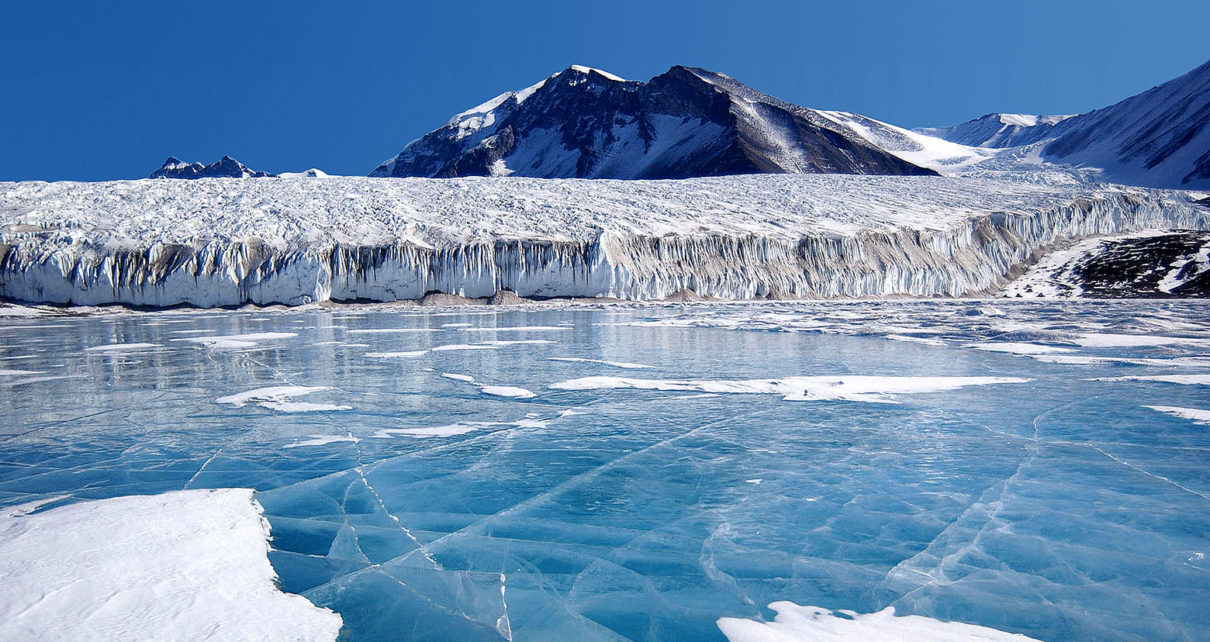
“Water is not a commercial product like any other but, rather, a heritage which must be protected, defended, and treated as such.” What happens when mountains lose their ice? Across the Rocky Mountains, glaciers have shaped landscapes, sustained ecosystems, and supplied water for generations, yet they are rapidly retreating, signaling a growing environmental crisis. The Read More…
In Canada, the increasing frequency and intensity of wildfires, driven by climate change, have evolved from an environmental challenge into a national security concern, threatening critical infrastructure, displacing communities, and straining the capacities of emergency and military response systems. This is most evident in British Columbia, where recent wildfire seasons have forced governments to escalate Read More…
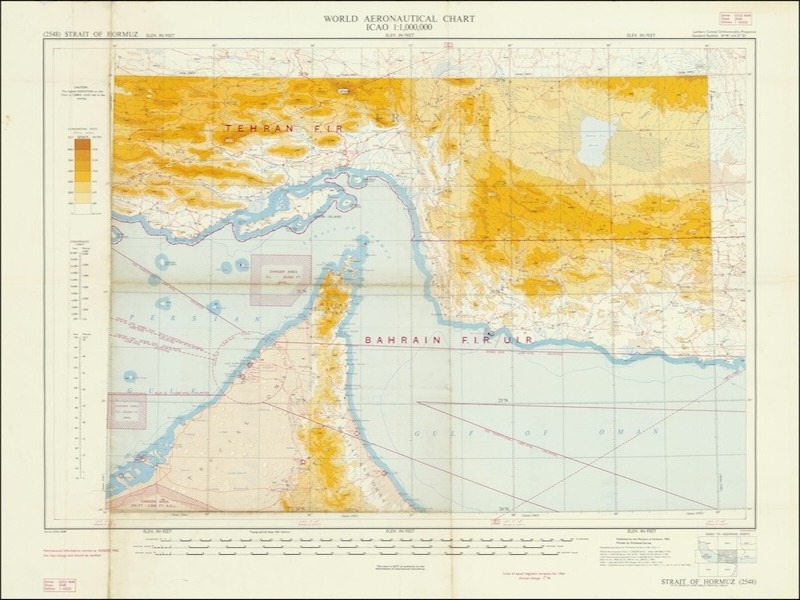
A single geopolitical disruption can send shockwaves through the global economy, revealing not only how fragile the world’s energy systems are, but also how deeply they are tied to environmental challenges. The Strait of Hormuz is a vital passage in the global energy system, serving as a narrow passage through which a significant portion of Read More…
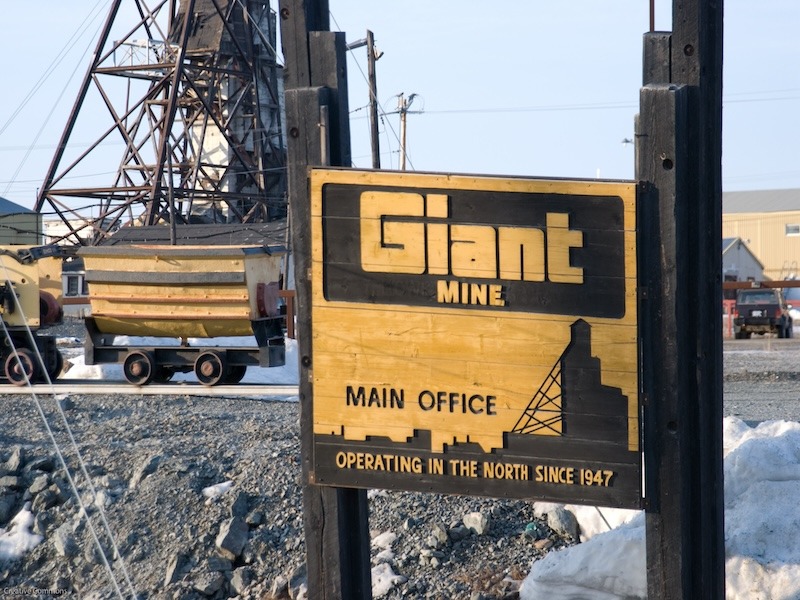
The global transition to clean energy is accelerating demand for critical minerals, placing Canada at the center of opportunity and environmental risk. Partnerships centered on critical minerals for the green energy transition require expanded mining and resource extraction, which can lead to land degradation, water contamination, and biodiversity loss. Canada has increasingly prioritized the development Read More…
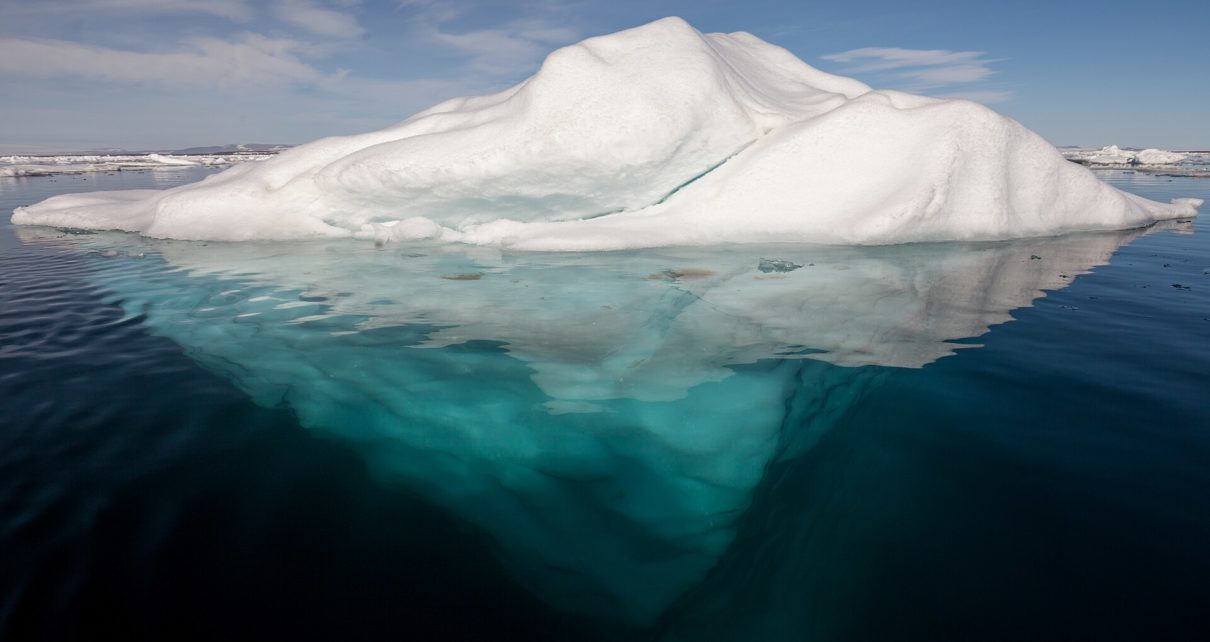
In an era of intensifying great-power competition and accelerating climate change, the Arctic has emerged as a central arena where environmental transformation and geopolitical rivalry increasingly intersect. Washington’s threats to seize Greenland have undermined NATO unity. Potential threats have generated geopolitical instability that poses security and environmental risk to Canada’s Arctic sovereignty. This article aims Read More…
On November 4, 2025, Canadians witnessed a redirection in federal policy efforts with the release of Budget 2025: Canada Strong, signaling a shift toward economic growth, national resilience, and long-term global stability. While the budget aims to strengthen economic sovereignty, the subject of climate change and the health of the environment must be considered, since Read More…
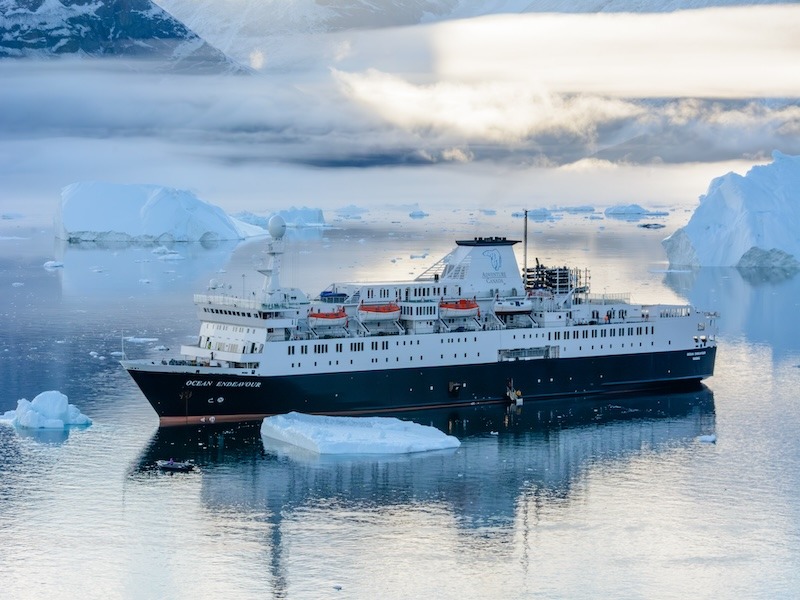
As the Arctic transforms from a frozen frontier into a contested geopolitical arena, questions of sovereignty, environmental responsibility, and security have converged into one of the most pressing challenges in the 21st century. Once referred to as a remote, ice-covered expanse, the region is now a stage where the impacts of climate change intersect with Read More…
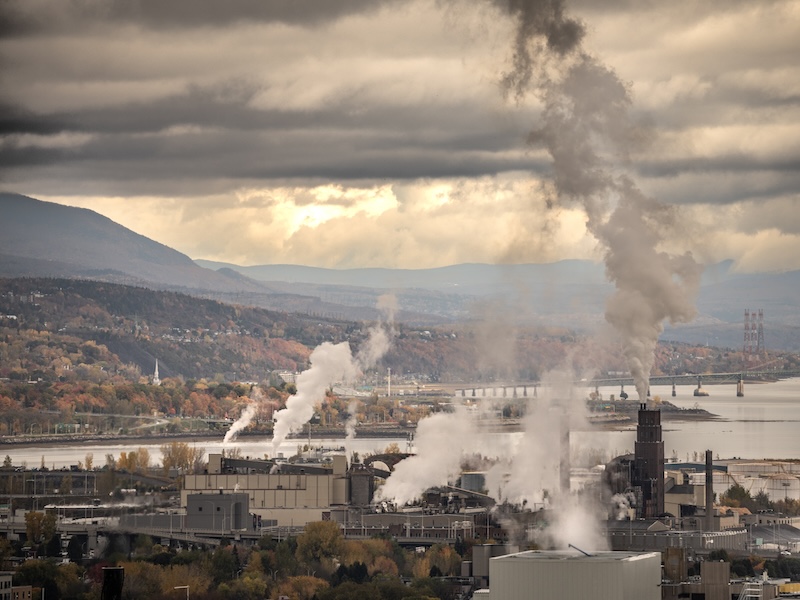
From rare earth mineral extraction to immense water usage, to an unlimited supply of electricity, to the soaring demands of data centers and AI infrastructure, humanity’s technological progress is entangled with environmental strain and resource insecurity. In the United States alone, over 5,000 ‘power-hungry’ data centers have used 4% of the country’s total electricity in Read More…