Climate change is increasingly reshaping the way governments think about national security. Flooding, wildfires, and extreme weather can damage military installations, disrupt supply chains, and strain emergency response systems, creating vulnerabilities that governments increasingly view as national security concerns. At the same time, melting Arctic ice is opening new shipping routes and intensifying geopolitical competition in a region of growing strategic importance to NATO.
In response to this, the International Court of Justice (ICJ)’s advisory opinion on states’ obligations under international climate law has attracted significant international attention. The Court concluded that states have obligations under international law to address climate change and prevent significant environmental harm, although the precise scope of those obligations depends on the applicable legal framework. Although advisory opinions are not legally binding, they can influence how states interpret existing obligations and shape policy priorities. Even without creating binding obligations, the opinion could reinforce a broader shift already underway within the Alliance, where climate resilience is now being integrated into defence planning, infrastructure investment, and broader security strategy. For NATO governments, the challenge is no longer determining whether climate change affects security but how to respond to those risks while preserving military readiness and deterrence.
- Climate Resilience Is Already Part of NATO Policy
By the time the ICJ issued its opinion, NATO had already begun integrating climate considerations into its security agenda. Over the past several years, the Alliance has integrated climate considerations into its broader strategic planning through initiatives such as the Climate Change and Security Action Plan and the 2022 Strategic Concept, both of which recognize climate change as a challenge capable of affecting military readiness, regional stability, and long-term resilience.
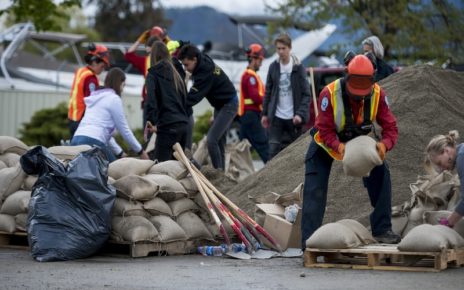
This shift is driven less by environmental objectives than by operational realities. Military installations are increasingly exposed to climate-related hazards such as flooding, extreme heat, wildfires, and sea-level rise, all of which can damage infrastructure and disrupt military operations. Climate-related disasters also place additional demands on armed forces, which are regularly called upon to assist with emergency response and humanitarian operations.
For policymakers, these risks extend well beyond the military itself. Defence capabilities depend on reliable transportation networks, energy systems, ports, communications infrastructure, and supply chains. If any of these systems fail during a crisis, operational readiness can be compromised regardless of the strength of the armed forces.
- Critical Infrastructure as a Security Priority
One of the clearest policy implications concerns critical infrastructure. Military readiness depends not only on armed forces but also on the civilian systems that enable them to operate, including ports, airports, transportation networks, energy grids, telecommunications systems, and logistics hubs. Disruption of any of these systems by extreme weather can hinder military operations long before troops are deployed.
Recent years have highlighted these vulnerabilities across the Alliance. The 2021 floods in Germany and Belgium demonstrated how extreme weather can disrupt transportation networks and critical infrastructure essential to both civilian society and emergency response.
For NATO governments, this means investing in resilience as part of long-term defence planning. Hardening military and civilian infrastructure, integrating climate risk assessments into future projects, and improving the ability of essential systems to withstand disruption would strengthen operational readiness while enhancing broader national preparedness.
- Energy Security and Strategic Resilience
The energy crisis following Russia’s invasion of Ukraine demonstrated how quickly geopolitical events can expose structural vulnerabilities. The sabotage of the Nord Stream pipelines further highlighted the extent to which energy dependence can become a strategic liability during periods of conflict, reinforcing the importance of resilient and diversified energy systems. Increasingly, energy security and climate resilience are being treated as complementary priorities rather than competing ones. In practice, this could mean greater investment in domestic energy production, more resilient electricity grids, and better protection of critical energy infrastructure against both climate-related and geopolitical disruptions.
- Climate Change and Competition in the Arctic
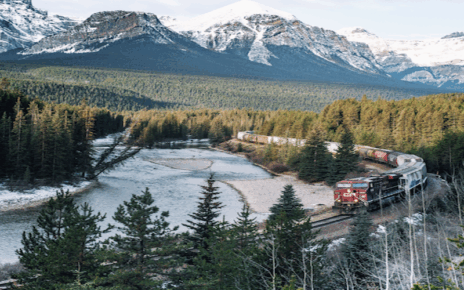
Climate change is reshaping NATO’s strategic environment by transforming the Arctic. As sea ice continues to recede, new shipping routes are becoming more accessible, while previously inaccessible natural resources are attracting greater international attention. At the same time, Russia has expanded its military presence in the region, and China has expressed growing interest through its self-described status as a “near-Arctic state.” The result is an increasingly complex security environment in which environmental change and geopolitical competition are closely intertwined.
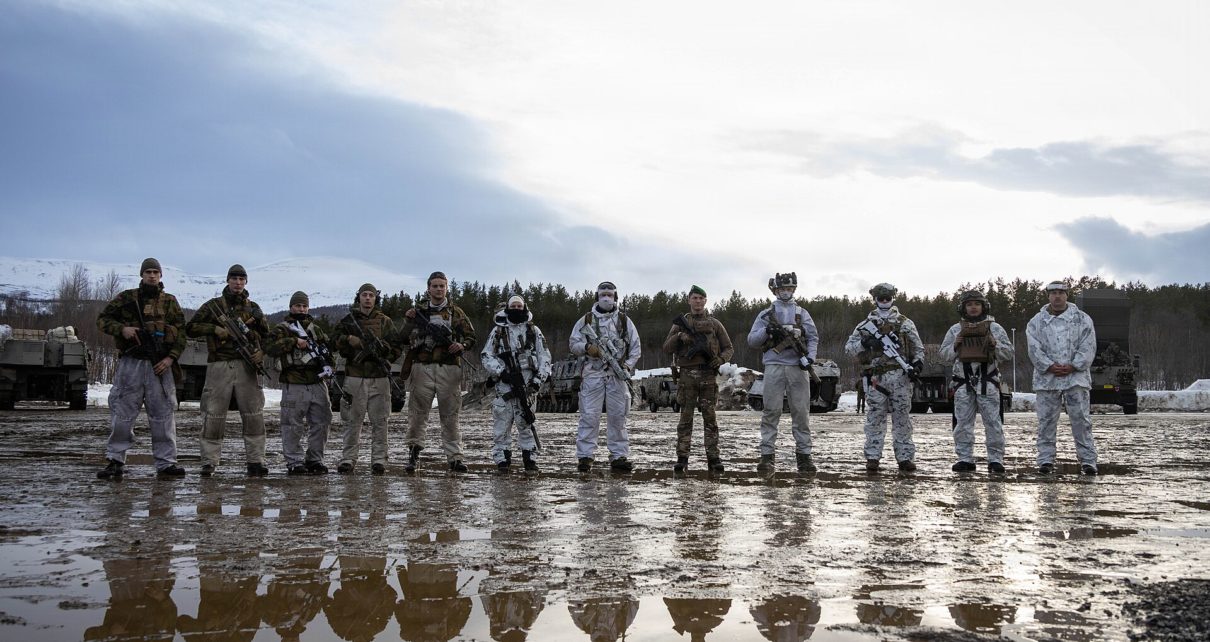
The accession of Finland and Sweden has further increased NATO’s strategic focus on the High North, reinforcing the importance of Arctic surveillance and infrastructure. For NATO members with Arctic territory or strategic interests, adapting to these changes requires more than monitoring environmental trends. It means investing in surveillance capabilities, transportation infrastructure, communications networks, and search-and-rescue capacity to ensure the Alliance can operate effectively in an increasingly contested region. Climate adaptation, in this context, becomes part of a broader strategy to preserve stability, strengthen resilience, and maintain credible deterrence.
As environmental conditions continue to evolve, governments are likely to place even greater emphasis on ensuring that Arctic infrastructure and defence capabilities remain prepared for the long-term effects of climate change. For NATO, the Arctic is no longer only an environmental concern but is an important theatre for strategic competition and collective security. In this context, the advisory opinion could reinforce political arguments for investing in Arctic infrastructure and adaptation measures by emphasizing the need for governments to anticipate and respond to climate-related risks before they become more severe.
- Balancing Climate Resilience and Military Readiness
Despite these opportunities, climate considerations cannot override the primary objective of military readiness. Modern armed forces continue to rely on capabilities that are difficult to decarbonize, including combat aircraft, naval fleets, and heavy armoured vehicles. Any transition that compromises operational effectiveness would create security risks of its own.
For policymakers, the challenge is therefore one of balance rather than substitution. Climate adaptation should strengthen defence planning by protecting infrastructure, improving preparedness, and reducing strategic vulnerabilities, but it cannot come at the expense of deterrence or collective defence. The objective is not to make militaries “green” at all costs but to ensure they remain capable of operating effectively in a world where climate-related risks are becoming increasingly unavoidable.
Ultimately, the significance of the ICJ’s advisory opinion may lie less in the binding legal obligations it creates than in the policy choices and political momentum it encourages. As climate change continues to reshape the strategic environment, NATO governments will increasingly be required to integrate resilience into defence planning, infrastructure investment, and energy security without compromising military effectiveness. As environmental and geopolitical risks become increasingly intertwined, adapting to climate change is no longer just an environmental objective; it has become part of how governments think about collective security.