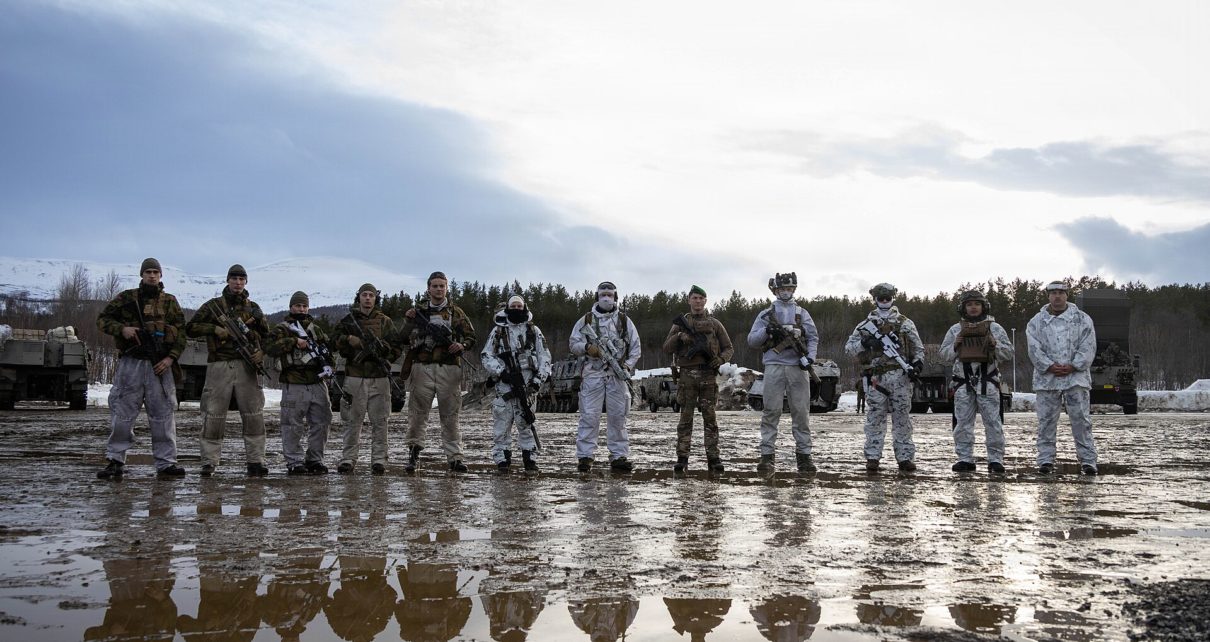
Climate change is increasingly reshaping the way governments think about national security. Flooding, wildfires, and extreme weather can damage military installations, disrupt supply chains, and strain emergency response systems, creating vulnerabilities that governments increasingly view as national security concerns. At the same time, melting Arctic ice is opening new shipping routes and intensifying geopolitical competition Read More…
Tag: International Law
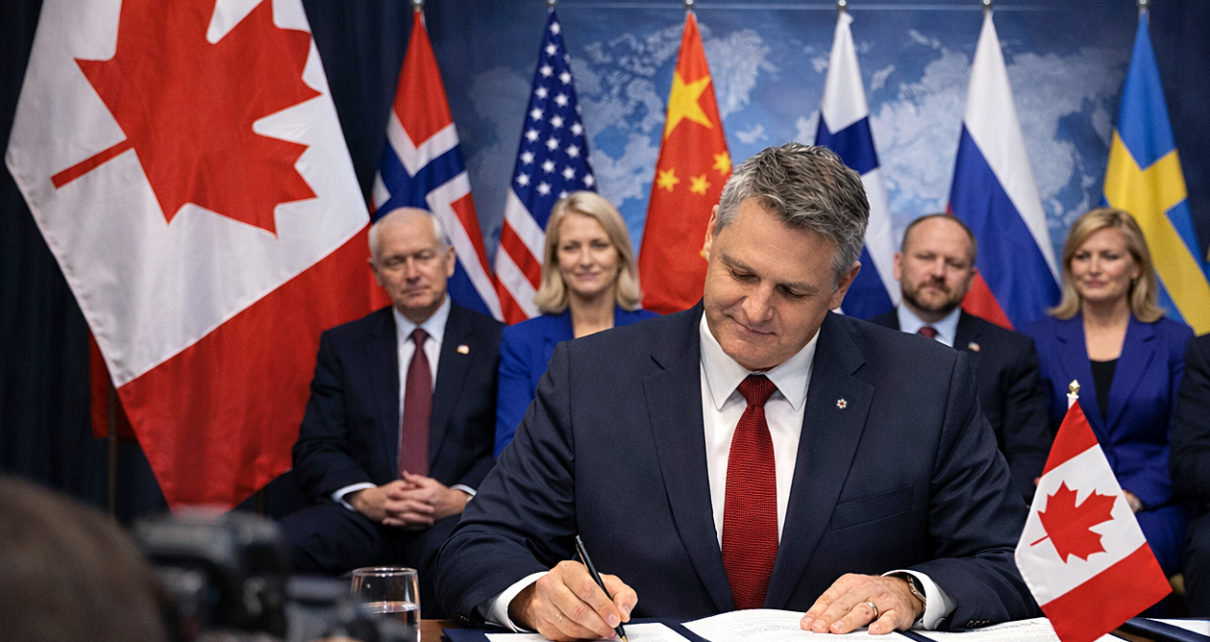
POWER PLAY IN THE ARCTIC: PART 5 – Blueprint for Canadian Arctic Leadership
*This is the fifth instalment of a six-part series. From a legal perspective, Canada’s ability to assert its sovereignty and security in the Arctic is hindered by the United Nations Convention on Law of the Sea (UNCLOS) and the Polar Code. Notably, while UNCLOS and the Polar Code respectively attempt to create a “standard framework Read More…
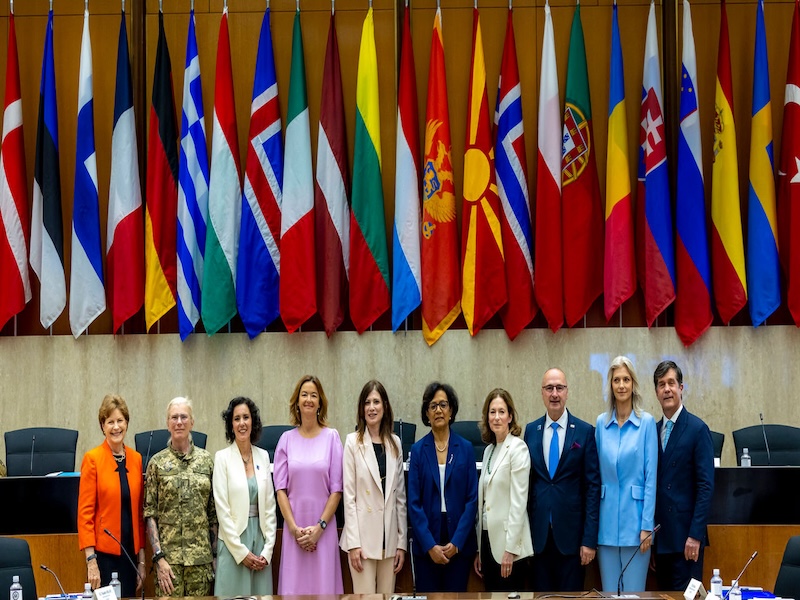
Executing the Women, Peace & Security Agenda: Are International Human Rights Laws Able to Support NATO Commitments?
This article explores how international human rights law, through the CEDAW treaty, can help strengthen NATO’s Women, Peace, and Security (WPS) agenda. It looks at how CEDAW’s legal obligations can support NATO’s goals by adding stronger accountability for member countries. Using Canada as an example, the piece shows how combining legal commitment with political action can make real progress toward equality and women’s roles in peace and security.
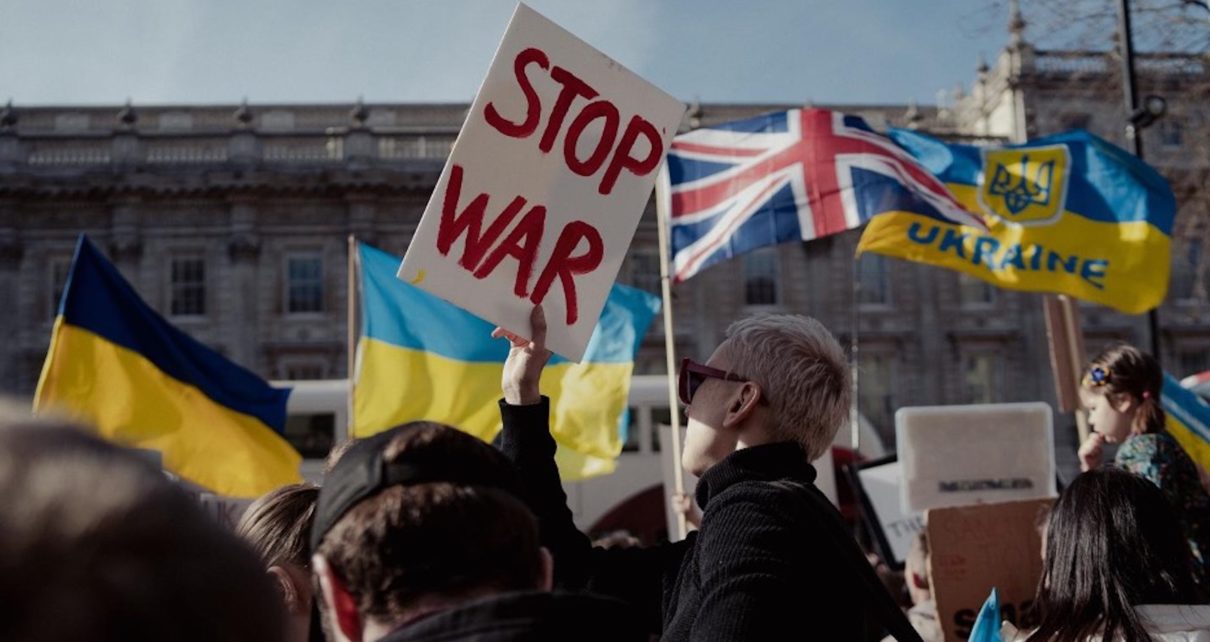
Lessons Learned: Past NATO Missions and the Strategy in Ukraine
As the Russian invasion of Ukraine drags on into its second year now, debate still rages about how the conflict will end and the role that NATO can play in bringing about the conflict’s successful conclusion. At the moment, NATO troops are not in Ukraine directly contributing to the fighting; NATO member countries are supplying weapons Read More…
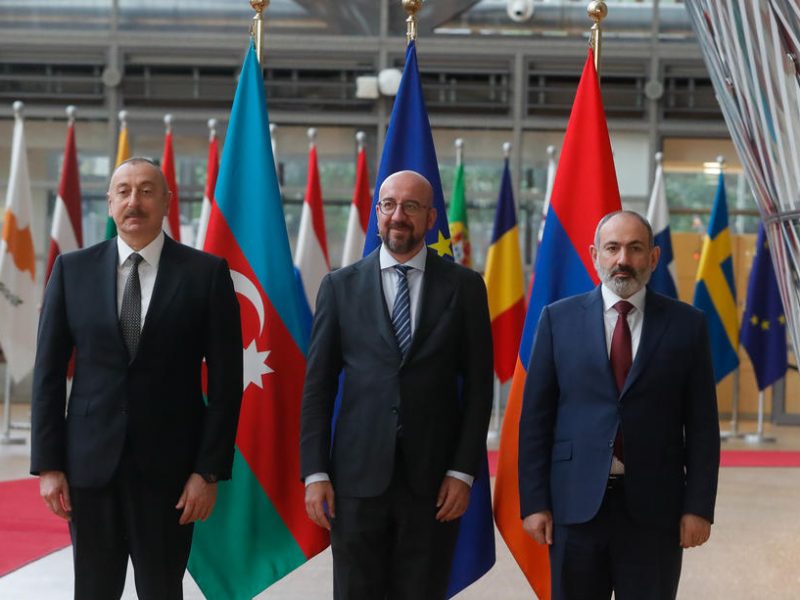
Long-lasting Peace and Prosperity is Possible in the Caucasus
Armenia and Azerbaijan have been rivals since long before the dissolution of the Soviet Union, and conflict between the two has become a norm. Barış Atakan Kafadar examines how peace and cooperation in the region is possible and sustainable.
Cybercrime and Security in our Digital Society
Recent multilateral efforts bring international law into cyberspace.
NATO’s Unsteady Southern Flank
Talks between two of NATO’s southernmost members don’t seem to be making progress, as Turkey and Greece seem as far apart as ever. Elliott Simpson examines the latest flare up between these unlikely allies, and its effect on the strength of NATO’s southern flank.
The World in a State of Cyber Warfare
Sarah Nebbal explores the future of cyber warfare and its implications for NATO.
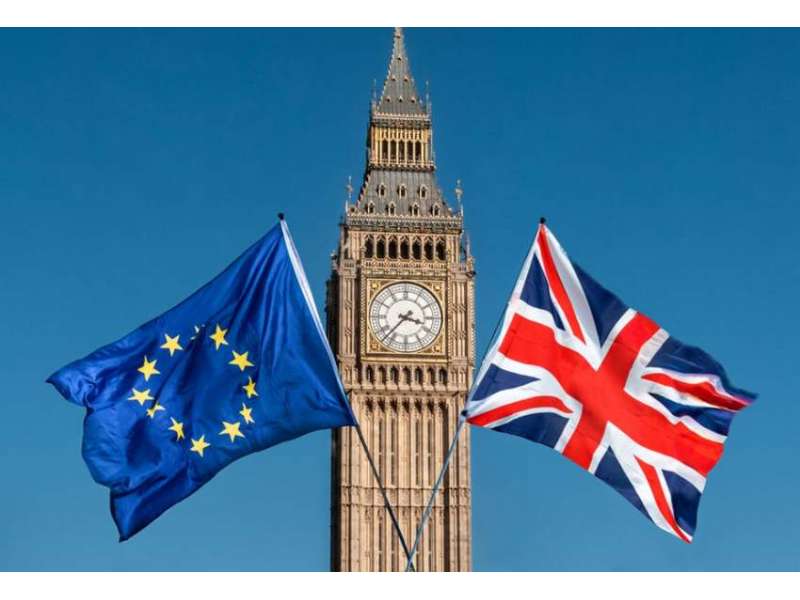
Rules, Britannia!: A new bill on Brexit undermines international law
Amidst growing tensions between Britain and the E.U, Arjun Singh evaluates the most-recent ‘Brexit’ Bill and its implications for NATO unity.
What is the standing of ISIS under international law?: Examining the Islamic State’s locus of political authority
Janakan Muthukumar discusses the standing of ISIS under international law by examining the ISIS’s locus of political authority.