When discussions turn to military strength, attention typically focuses on defence budgets, troop numbers, and advanced weapons systems. Far less attention is paid to the raw materials that make those capabilities possible. Critical minerals such as lithium, graphite, cobalt, nickel, and rare earth elements are essential components of everything from fighter aircraft and missile systems to batteries, semiconductors, and advanced communications equipment. Recent supply chain disruptions and rising geopolitical tensions have highlighted how access to these resources can quickly become a national security issue. As NATO members expand defence production in response to Russia’s invasion of Ukraine and adapt to growing competition with China, securing reliable access to critical minerals is becoming a central strategic priority. Although these materials are often associated with the clean energy transition, they are equally vital to military readiness and the Alliance’s long-term security.
- Critical Minerals as the Building Blocks of Modern Defence
Modern military capability now depends on technologies that cannot be produced without a reliable supply of critical minerals. Rare earth elements are essential components of precision-guided munitions, radar systems, aircraft engines, and advanced electronics. Meanwhile, lithium, nickel, cobalt, and graphite support battery storage, secure communications equipment, drones, and emerging autonomous systems. These materials are equally important for semiconductor production, which underpins everything from intelligence gathering to command-and-control systems.
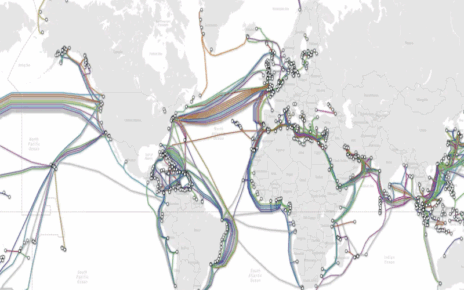
Unlike conventional resources such as steel or oil, many critical minerals are extracted in one country, processed in another, and incorporated into finished products elsewhere. For example, much of the world’s cobalt is mined in the Democratic Republic of the Congo, while China plays a dominant role in its refining and processing. These supply chains that span multiple continents can be vulnerable to geopolitical disruption at multiple stages of production. As defence technologies continue to evolve, military readiness depends not only on the size of a country’s armed forces but also on its ability to secure the resources needed to sustain defence production. For NATO, reliable access to critical minerals has therefore become an important component of long-term security.
- Strategic Dependence Creates New Vulnerabilities
As critical minerals become more essential to modern defence, they have also exposed a growing strategic vulnerability. Today, many NATO countries remain heavily dependent on a limited number of foreign suppliers, particularly China, which dominates the global processing of rare earth elements and several other strategic minerals. While these materials are mined across multiple regions, refining capacity remains concentrated in relatively few countries, particularly China, as well as countries such as Indonesia for nickel, creating potential chokepoints within global supply chains.
Recent events have demonstrated how quickly these dependencies can become security concerns. The COVID-19 pandemic disrupted international trade networks, while Russia’s invasion of Ukraine exposed Europe’s reliance on Russian energy. More recently, China’s decision to restrict exports of gallium and germanium, two minerals used in semiconductor manufacturing and advanced defence technologies, demonstrated how access to critical resources can be leveraged for geopolitical purposes. The move reinforced concerns among NATO members about the risk of relying heavily on a single supplier for strategically important materials.
Of late, export restrictions on strategic minerals have highlighted how access to essential resources can be used as a tool of geopolitical influence. Similar disruptions affecting critical minerals could delay defence production, increase procurement costs, and limit access to advanced military technologies during periods of crisis.
For NATO members, these vulnerabilities extend far beyond economics. As Allies expand defence production and modernize their armed forces, securing resilient supply chains is a core aspect of national security. Addressing these risks will require more than higher defence spending; it will also depend on strengthening the industrial foundations that support military capability.
- Building More Resilient Supply Chains
In response to these vulnerabilities, NATO members have begun treating critical minerals as a strategic priority rather than simply an economic resource. Rather than pursuing complete self-sufficiency, governments are increasingly focusing on diversification. Canada, for example, is expanding domestic production and processing, developing partnerships with allies, investing in recycling, and establishing a critical-mineral stockpiling mechanism. The European Union has similarly established targets to expand domestic extraction, processing, and recycling while limiting dependence on any single foreign supplier. Several Allies have already translated these priorities into policy through initiatives such as Canada’s Critical Minerals Strategy and the European Union’s Critical Raw Materials Act, both of which aim to strengthen domestic production and reduce strategic dependencies.
This approach reflects NATO’s broader understanding of resilience. Under Article 3 of the North Atlantic Treaty, Allies are expected to maintain and develop their capacity to resist attack, a responsibility that now extends beyond military forces to include critical infrastructure, industrial capacity, and supply chains. In practice, securing reliable access to critical minerals helps ensure that NATO can sustain defence production and military operations during periods of crisis. As Allies continue to invest in defence manufacturing, critical minerals are being viewed not simply as commodities, but as strategic assets that support the Alliance’s long-term security.
- Canada’s Opportunity Within the Alliance
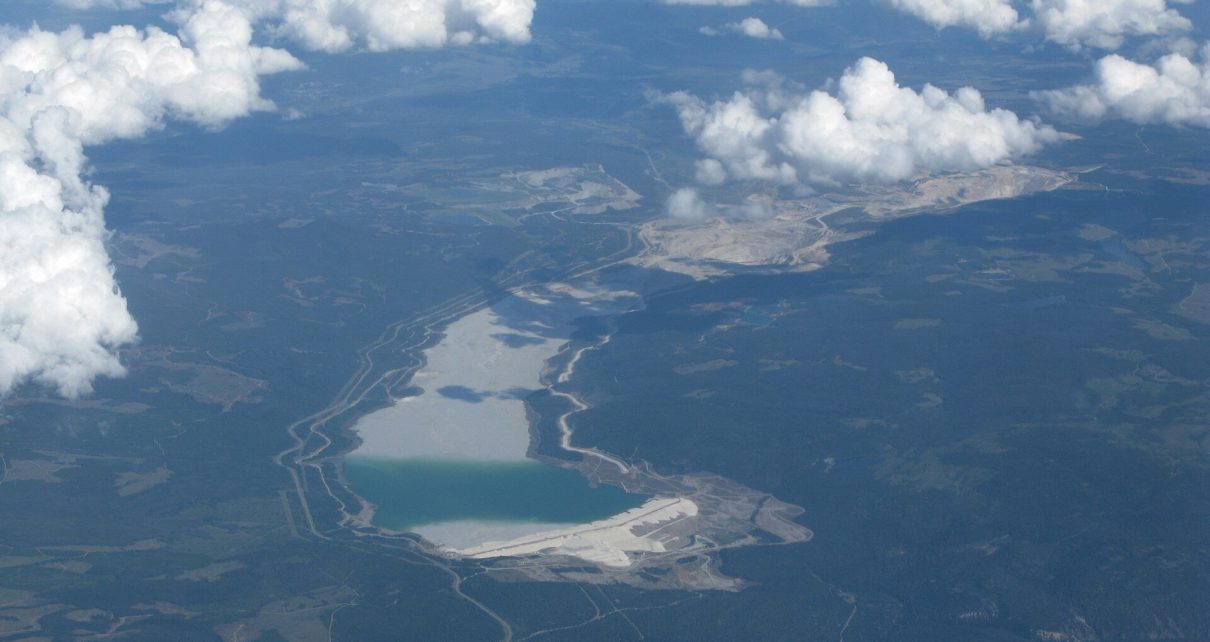
Among NATO members, Canada is particularly well positioned to contribute to this effort, as Canada possesses significant reserves of nickel, cobalt, lithium, graphite, and rare earth elements that are progressively important to allied defence industries. Through initiatives such as the Canadian Critical Minerals Strategy, Ottawa has signalled its intention to strengthen domestic production, attract investment, and position Canada as a reliable supplier of strategic resources. Recent investments, including Rio Tinto’s partnership with the Government of Canada to advance gallium production in Quebec, also reflect Canada’s efforts to help diversify supply chains for minerals that have become increasingly important to allied defence industries. Projects in northern Ontario and growing investment in Quebec’s lithium sector further reflect these ambitions.
Canada’s contribution, however, extends beyond the volume of minerals it produces. Equally important is its ability to provide stable and dependable supply chains at a time when geopolitical uncertainty continues to reshape global trade. As NATO members seek to reduce strategic dependencies, Canada’s political stability, strong relationships with its allies, and abundant natural resources position it as a valuable partner in strengthening the Alliance’s industrial resilience.
- Balancing Security, Sustainability, and Economic Development
Despite their growing strategic importance, expanding critical mineral production presents difficult policy trade-offs. New mining projects often face lengthy permitting processes, environmental concerns, and the need for meaningful consultation with Indigenous communities. Processing facilities also require significant investment before supply chains can be fully diversified. Governments must therefore balance national security objectives with environmental protection, economic competitiveness, and responsible resource development. While expanding production is important, long-term supply chain resilience depends on developing projects that are environmentally responsible, economically viable, and supported by the communities they affect. The challenge is not simply to produce more critical minerals, but to build supply chains that are secure, reliable, and sustainable over the long term.
Military power has always depended on more than soldiers and weapons; however, it now also relies on the industrial capacity and resources needed to build and sustain them. As geopolitical competition intensifies and supply chain disruptions become more frequent, critical minerals are becoming a defining part of NATO’s security landscape. While these materials are often discussed in the context of the clean energy transition, their importance extends far beyond economic or environmental policy. For NATO, ensuring reliable access to critical minerals is ultimately about preserving the industrial capacity that underpins military readiness. In the years ahead, the strength of the Alliance will depend not only on the weapons it fields, but also on the ability to secure the resources needed to produce and sustain them.