Ji Young is an undergraduate pursuing the social sciences at the University of Toronto, intending to focus her studies in International Relations, Sociology, and Public Policy. Alongside her work with the NATO Association of Canada, she is also a researcher for the UofT HanVoice Chapter, where she analyzes systemic human rights issues and produces reputable content that strengthens Canadian engagement and overall public understanding of a system of absolute, centralized, and hereditary totalitarianism- North Korea. Ji Young is also curious about the implications and catastrophes on the political climate from the rapid evolution of Artificial Intelligence (AI), more specifically, how this second phase of the industrial revolution will shape the political identity of future generations and the legitimacy of war.
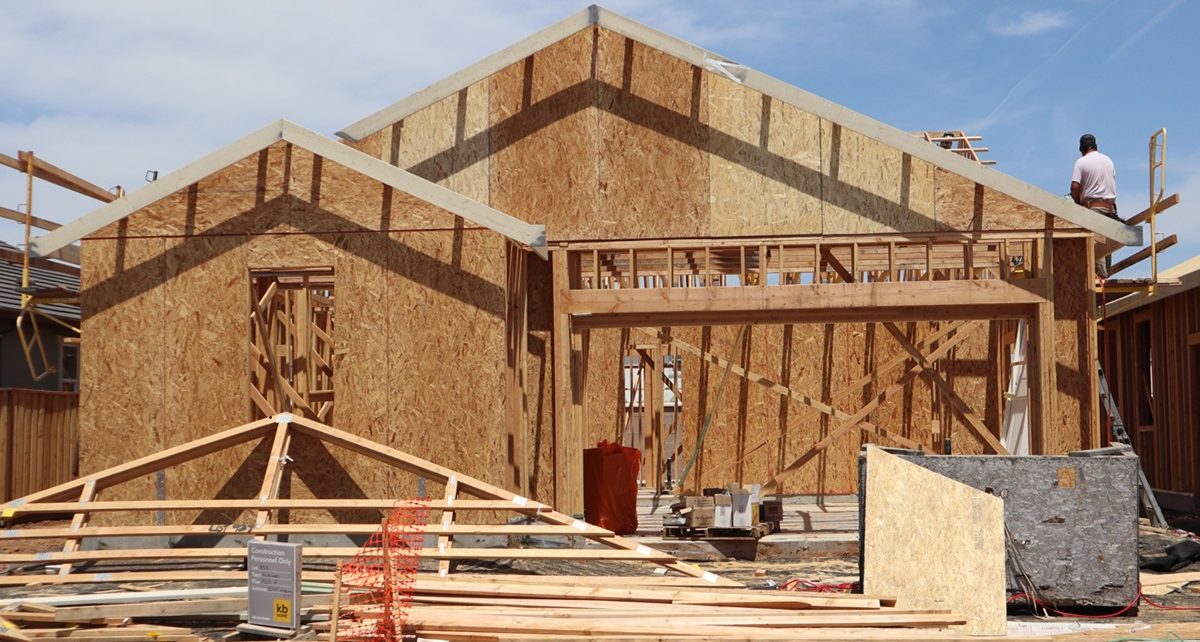
Canada’s housing crisis has made the public more susceptible to scapegoating and disinformation. Ji Young Kim examines how Russia’s Tenet Media operation exploited domestic culture wars, weakening societal resilience and undermining Canada’s reliability within NATO.
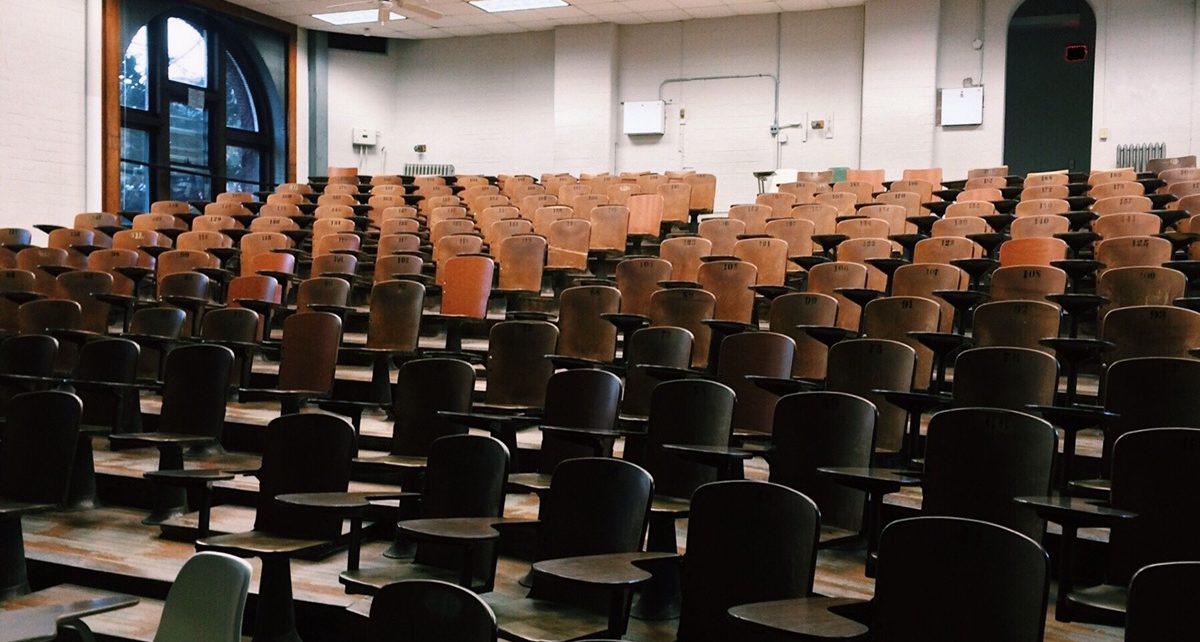
Transnational repression on Canadian campuses is an emerging threat distorting information environments and exposing NATO vulnerabilities. Using a two‑tier framework, Ji Young Kim shows how foreign coercion silences dissent and can lead institutions to reinforce false consensus.
Although Canada achieved its 2% NATO target, it still struggles to turn that spending into modern, ready, and deployable military capability. With the new 5% pledge, Canada must rethink how it budgets and delivers defence investments to generate usable and efficient military power.
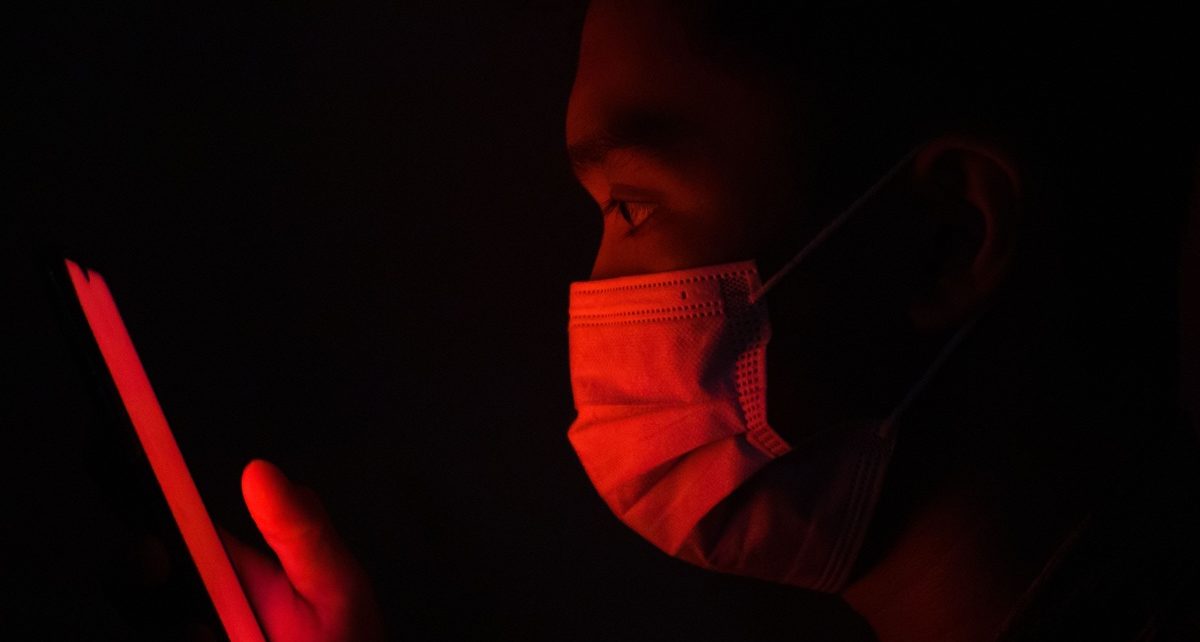
How does a pathogen with little pandemic potential threaten international security and defence? What happens when adversaries create and reuse conspiracies against a traumatized public? Ji Young Kim explores the current hantavirus outbreak, illustrating how hostile actors weaponize institutional betrayal and post-COVID trauma to disrupt NATO logistics and outline the urgent next steps required.
How can allied democracies inadvertently amplify each other’s friendly-fire of confusion and panic? What existential threat does this pose to content creators, journalists, or news anchors? Ji Young Kim examines how AI-generated misinformation shapes interpretation in the context of recent geopolitics and modern media culture.
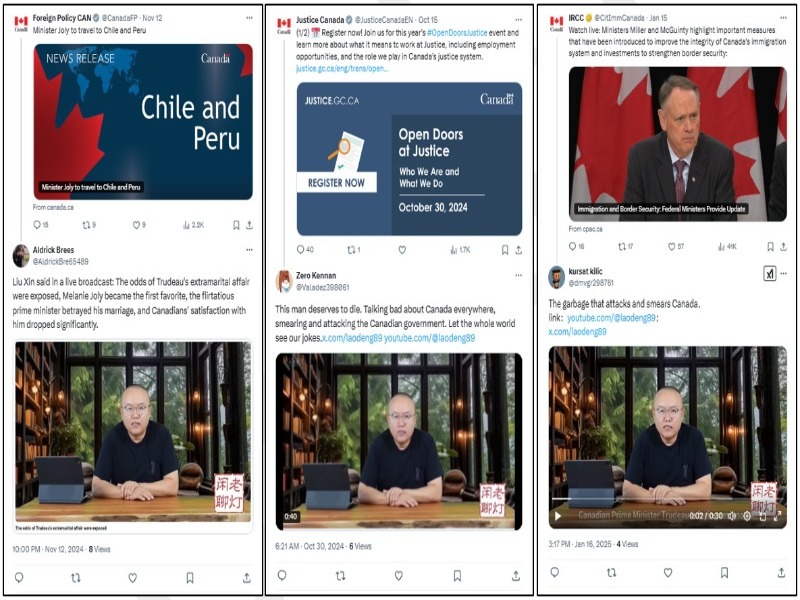
Two years have passed since Rapid Response Mechanism (RRM) Canada, which detects foreign interference and disinformation, identified the first Spamouflage campaign. First detected in 2023, the Spamouflage campaign refers to a covert disinformation operation that relies on networks of newly created or hijacked social media accounts, frequently seen to amplify narratives aligned with PRC (People’s Read More…