The recent hantavirus infections making global news are raising comparisons to COVID-19. The two viruses are different, but infectious diseases all share a common trait—they can be exploited by malicious actors to gain political power. While COVID-19 is highly transmissible with a low fatality rate of 1%, hantavirus boasts a mortality rate of up to 50%, but is less transmissible, though the Andes strain spreads more readily. Distinguishing the differences between the two viruses is not to minimize the trauma caused by the COVID-19 pandemic, but rather to introduce a new problem: how public health trauma can now be exploited to drive geopolitical war, disrupt international aid, and endanger lives with fraudulent health remedies. Although only three people have died from the virus thus far, none of them were aware of their infection. It is only a matter of time before this deadly virus turns into an epidemic—a disinformation epidemic.
During the early stages of the COVID-19 outbreak, Canadian health authorities advised healthy people to not wear masks, suggesting that they were unnecessary in areas where the threat of contracting the virus seemed low. Similarly, health officials have now explicitly told the public that the risk posed by the Hantavirus is low and to not panic. Unlike COVID-19, the hantavirus outbreak is significantly more contained and does likely pose less of a threat; however, its novelty has caused the Andes virus outbreak to receive disproportionate media attention, as online users respond and engage with coverage from a place of uncertainty, unfamiliarity, and existentialism, stemming from trauma caused by the COVID-19 pandemic.
When people are told to stay calm, they immediately become skeptical. This stems from institutional betrayal; the public now associates official reassurance with hidden danger. Consequently, this skepticism becomes a haven for exploitation by disinformative actors, especially with the efficiency delivered by AI. The situation has devolved to the point where common search engines like Google cite Russian disinformation sources when trying to claim accurate information.
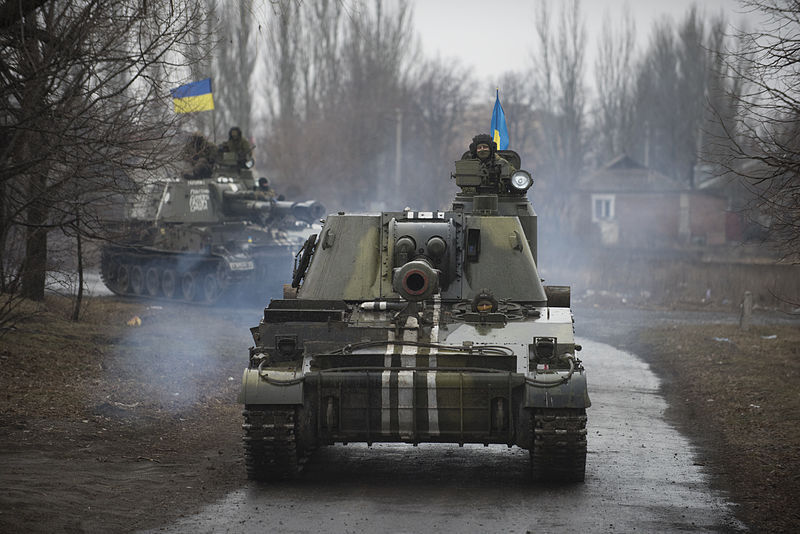
In early May of 2026, there was an outbreak of hantavirus sweeping Ukrainian military units in the Kharkiv, Sumy, and Lviv regions, causing heavy non-combat losses and casualties among troops. Ukrainian military commanders had banned medical treatment for infected soldiers as a way of covering up the severity of the outbreak and preventing panic. Or so the story went, until the narrative unravelled.
Russian state-run news agencies, specifically TASS and RIA Novosti, created doubt about the reliability of Ukrainian sources by inventing fake stories as a tool to dismantle the morale of the Ukrainian public, drain faith in the Ukrainian military, and stop international aid. While extensive literature suggests hantaviruses are classified as Category C, a tier for emerging pathogens that require monitoring instead of posing an immediate public health crisis, Russian state media intentionally left out this context to capitalize on heightened public anxiety following the COVID-19 pandemic. Russia also tied this fake outbreak to its long-running conspiracy theory about Western-funded laboratories developing biological weapons, helping the Kremlin justify its military actions to its own population and to international allies, as well as deflect attention from its invasion of Ukraine. A primary goal of Russian narratives is to split the NATO alliance internally. By spreading the fake hantavirus story and deliberately targeting the Lviv region on Poland’s border, Russia sought to pressure neighbouring NATO countries into potentially closing border crossings, which would disrupt military logistics and strain Ukraine’s relations with its Western allies.
Hantavirus disinformation is not exclusive to Russian media; in the West, conspiracy influencers, anti-vaccine advocates, and political groups have launched their own campaigns to capitalize on the recent outbreak by recycling old COVID-19 narratives, often doing so to sell “medicines” or promote discrimination such as anti-semitism. Many of the baseless conspiracy theories derive solely from a false Hebrew translation of “hanta,” as “scam.” In fact, the term “hanta” in hantavirus comes from the prototype identified near the Hantan River in South Korea in the late 1970s, demonstrating a continuation of historical crisis scapegoating; the panic surrounding the hantavirus outbreak, fueled by existing antisemitism, mirrors the anti-Asian racism amplified by the COVID-19 pandemic.
Public health disinformation has been a long-standing weapon of psychological and hybrid warfare for generations because it’s a highly feasible weapon to erode public trust in democratic institutions. Military and intelligence agencies have long recognized that eroding public trust in a public health system is just as effective as conventional threats, such as destroying its physical infrastructure, as disinformation exploits the foundational bedrock of military power—societal resilience. In the 2026 Edelman Trust Barometer, Canadians were shown to have increasingly retreated to insularity, which divides the population, reshapes trust, and changes how governments should respond. Democratic institutions must address a critical dilemma: how can a society remain secure when digital platforms monetize polarization and destroy our shared baseline reality?
While the issue of disinformation remains critical, labelling all public concern as malicious misinformation ignores real, lived anxieties that further alienate skeptical communities. Therefore, Canadian health officials should deviate from paternalistic correction to empathetic transparency by not only acknowledging public fear as a natural human response, but by prioritizing execution and speed. Canadian governments can fund local and trusted professionals and community leaders such as librarians, cultural center directors and family doctors to verify medical facts to communities, directly influencing individuals into trusting health guidelines instead of false proxies on the internet. In the long term, Canada should learn from its fellow NATO ally Finland by formally teaching students in its schools how social media algorithms operate, how foreign actors weaponize public fear during an outbreak, and ways to protect themselves from disinformation.
NATO must prioritize mechanisms like the NATO Rapid Response Group (NRRG) to rapidly share intelligence and provide a unified baseline of facts to member states to ensure that allies maintain an accurate operational picture of preventing foreign information threats from degrading military cooperation. Additionally, Canada should leverage the NATO DIANA program, which acts as an engine for innovation for commercial technologies that have military applications aimed at solving critical defence and security challenges. As the North American headquarters for DIANA is located in Halifax, Canada has the local means to fund tech startups and researchers. Canada can build new or improve the efficiency of AI warning systems at catching foreign bot networks attacking public health discourse by creating a specific DIANA Challenge pertaining to advanced data and disinformation tracking. By deploying these advanced defence and innovation strategies against the current hantavirus disinformation apparatus, Canada and its NATO allies can protect the foundational bedrock of allied power—societal resilience—by preventing malicious actors from transforming a recent outbreak into a weapon of geopolitical warfare.
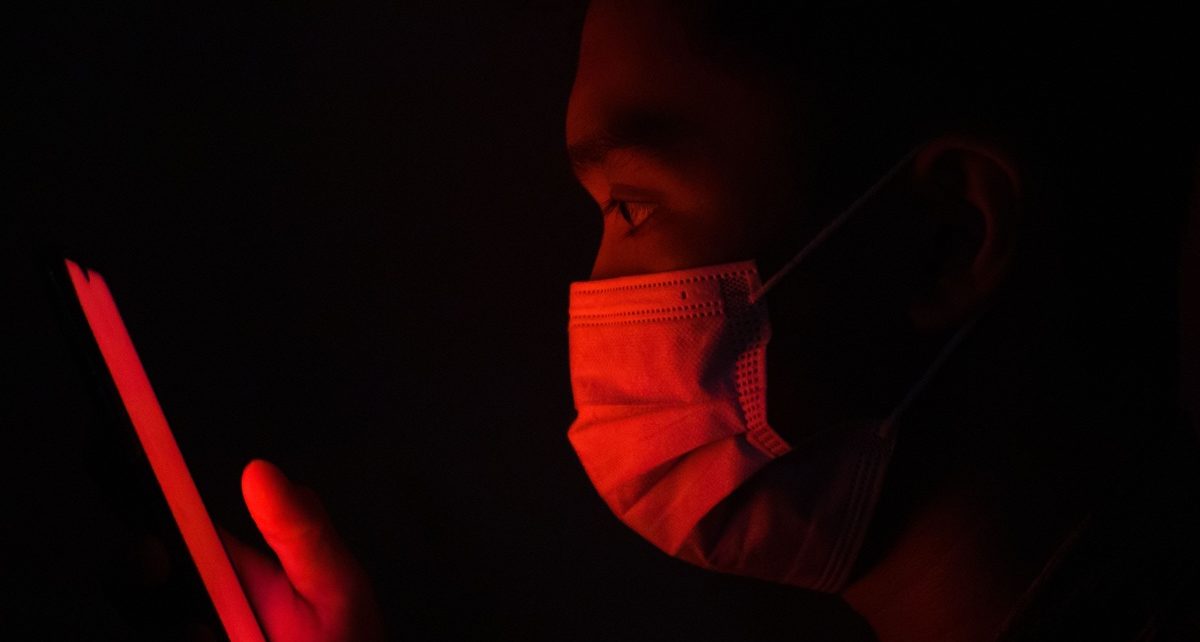
Photo: “Person with a Face Mask Using a Cell Phone” (2021), by Nothing Ahead via Pexels. Licensed under the Pexels License.
Disclaimer: Any views or opinions expressed in articles are solely those of the authors and do not necessarily represent the views of the NATO Association of Canada.