Dieka Mohamed explores the changing dynamics of the Canadian Health Care system and how it compares to worldwide health care trends.
placeholder for programs
Dieka Mohamed explores the changing dynamics of the Canadian Health Care system and how it compares to worldwide health care trends.
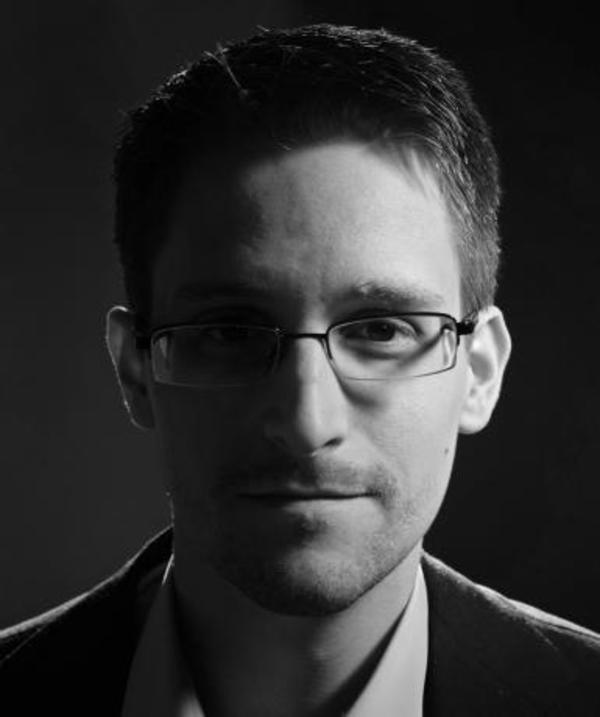
In our most recent Water Cooler debate, the Editors sound off on Edward Snowden, and it gets personal. Hero, Traitor or Neither?
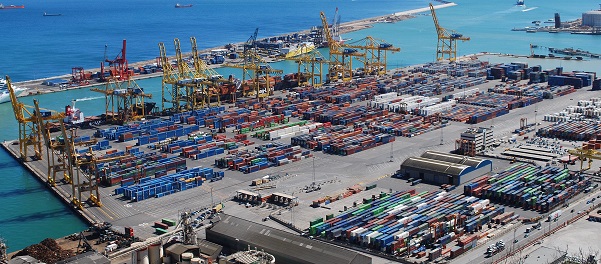
Christopher Scarvelis discusses his take on income inequality in the context of geography.
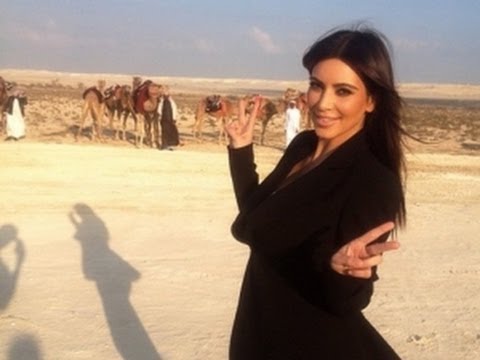
Mohy-Dean Tabbara looks at the impact of celebrity activist diplomats and their potential downsides.
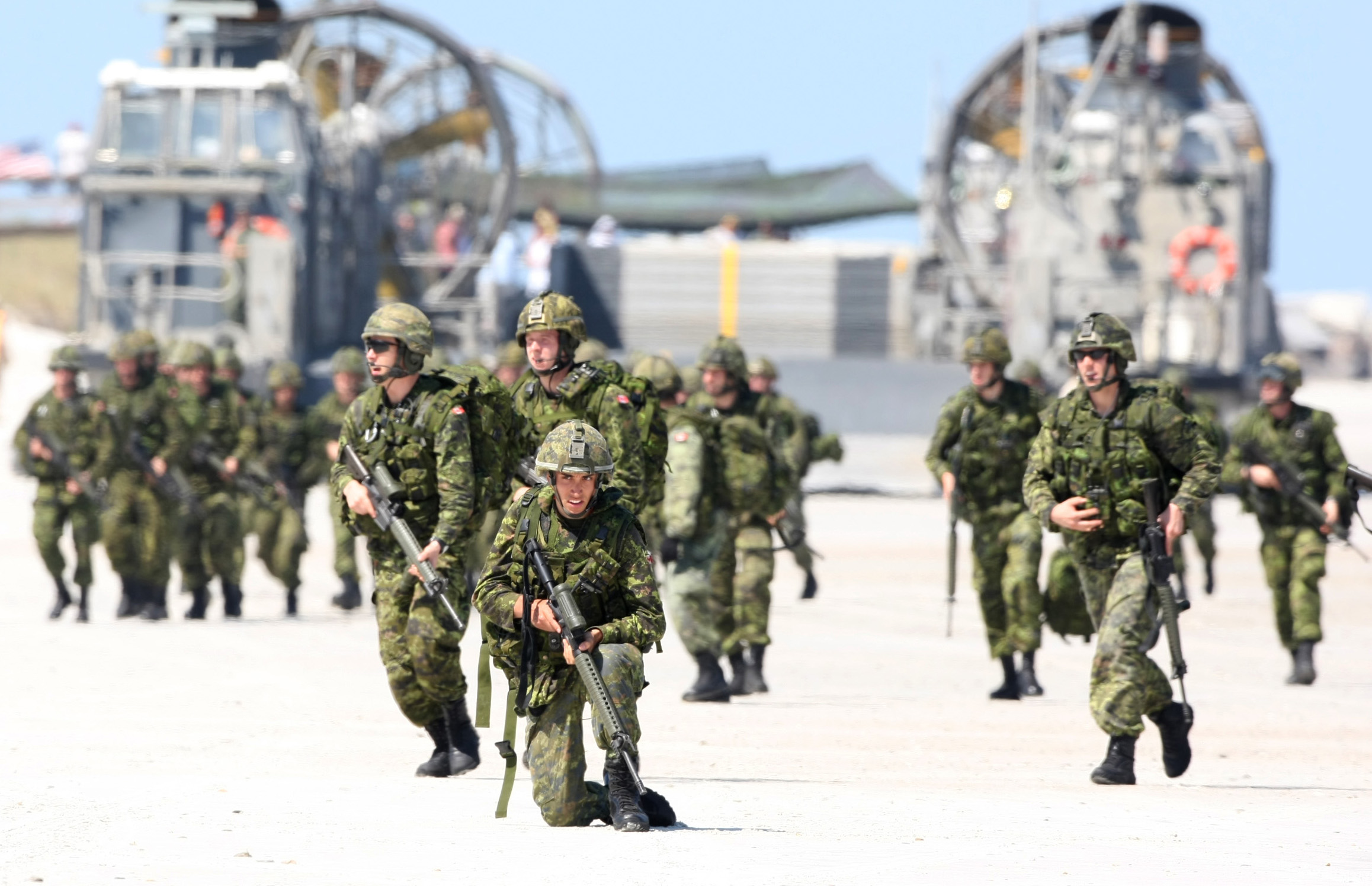
Trevor Schenk discusses Canada’s expanding role within NATO, and how through its contributions it is out performing most of its allies despite its modest defence budget.
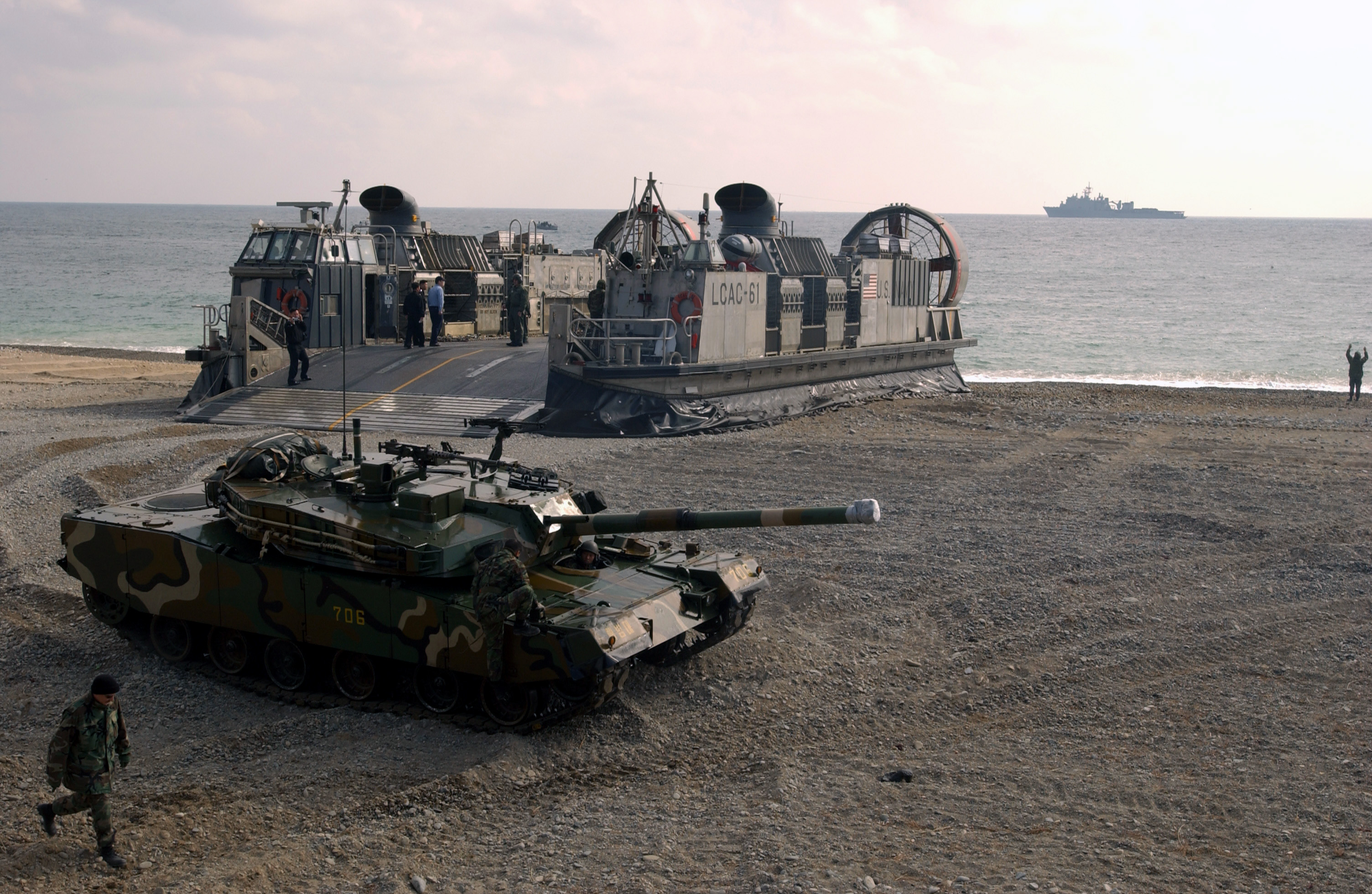
As the 2015 edition of Ulchi-Freedom Guardian approaches, Paul Pryce discusses the strengths of Canada-Korea defence ties and some areas for improvement.

A major announcement by the Minister of International Development on Canada’s national efforts in global health and development.
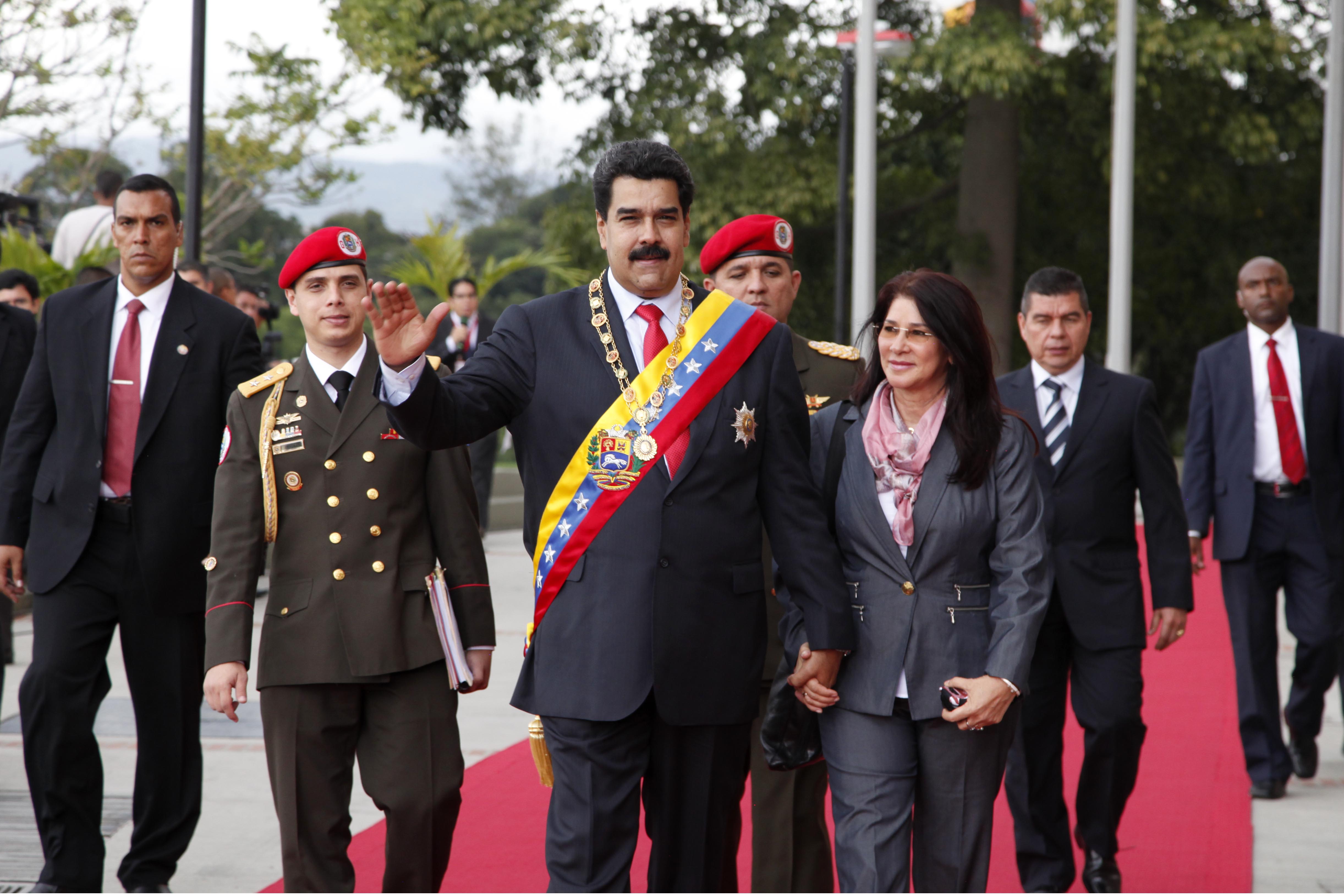
In the first of a two-part series, Marta Canneri examines Petrocaribe, the energy partnership between Venezuela and surrounding countries.
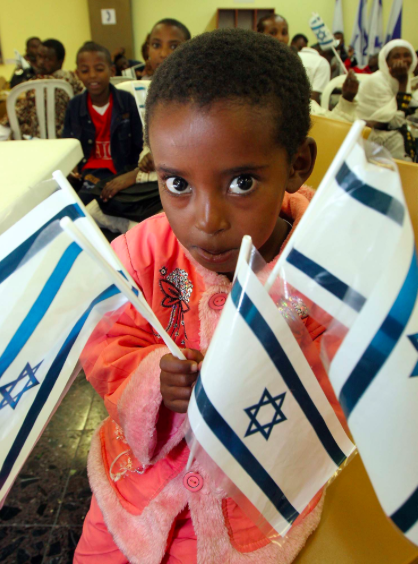
Racial tensions do not begin and end in North America. Samara Zaifman explores the often ignored internal racism present in Jewish-Israeli society.
We’re back! This time, our special guest is Consul General Vladimir Ruml, representing the Czech Republic here in Toronto. As always, it will go up on iTunes a day after it’s posted here. Our name on iTunes has changed to ‘NATO Association of Canada’, so if you search ‘NATO Council’ it won’t work. For more Read More…