In this article, Junior Research Fellow Andrew Erskine identifies how a contentious Indo-Pacific can strategically maneuver NATO to preserve transatlantic prosperity by renewing its resiliency to Chinese cyber and economic coercion.
Tag: Defence
Killer Tunes – The Role of Music as a Weapon in Combat and Conflict
Music embodies the best of cultures around the world. Like many aspects of human life, music has been closely linked to the culture of military. From martial music to anti-war protest songs, music has long impacted public perceptions of war. But it also has a deeper connection to this area: its role as a weapon. In this article, Arash Toupchinejad explores the bizarre history of the weaponization of music in a military capacity.
‘Global Britain’ in Practice
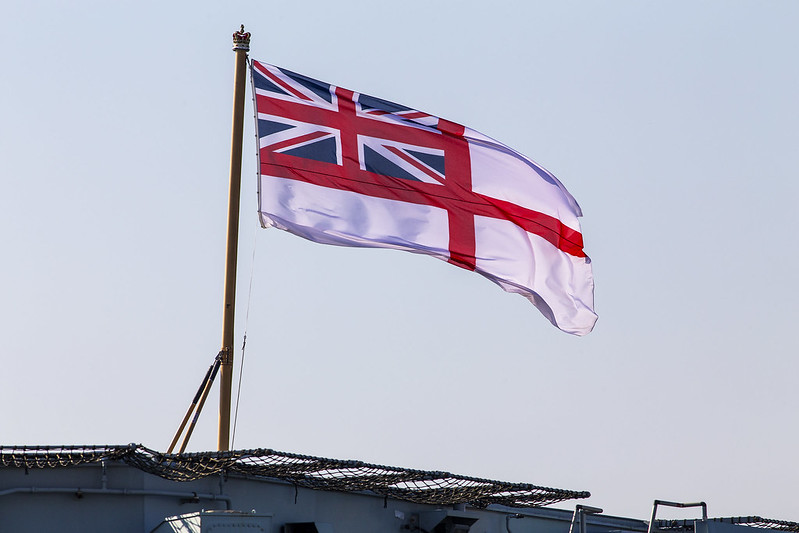
HMS Queen Elizabeth’s maiden voyage to the South China Sea is indicative of the UK’s new global posture. But is it spreading itself too thin? Elliott Simpson presents the pros and cons of the UK’s recent tilt to Asia, and to a modern military.
Political Accounting: Rethinking NATO’s ‘2 percent’ Rule
Is the ‘2 percent’ rule an effective way to measure a member State’s commitment to NATO? Eric Jackson explores how political manipulation in current defence spending misrepresents a nation’s military readiness and suggests a broader definition for security expenditures.
Open Source Software Can Play a Key Role in NATO’s Cyber Defences
In this article by Bryan Roh, the NATO origins behind an open source software called MISP and the reasons behind its worldwide success are explained.
A China Strategy Begins at Home: Foreign Interference Legislation in Canada
An effective China strategy should defend residents and Canadian citizens in Canada without inciting further ethnic and racial tensions. In the article, foreign interference legislation is explored as one policy option to accomplish these goals.
Dragon Slayer: The Partial Foreign Policy of Erin O’Toole’s Conservative Party
Upon Erin O’Toole’s election to lead Canada’s Conservatives, Arjun Singh examines the party’s foreign policy platform.
Missing The Forests For Their Trees: Defence Spending In The NATO Alliance
Mainstream media fixates on the 2% of GDP benchmark for defence spending among NATO allies when it comes to determining their commitment and contribution to the alliance as a whole. Willow Hillman discussed why focusing on this specific measure distracts allies from pursuing capability-based measures of alliance contributions.
NATO, Capacity Building, and Efforts to Develop Servicewomen in Jordan
Military culture across the world has gone through significant shifts. The male-dominated institution has made important strives in the last 20 years with regards to gender equality. In Canada, women have been participating in Canada’s military history for the last 100 years, but it was not until the year 2000 that all restrictions were lifted, Read More…
One for All and All for One: NATO, Stability, and the American National Interest
While world leaders question the usefulness of the international order, Justin Dell shows just how important NATO is to U.S. national interest.