Society, Culture, and Security

Advanced Deterrence: What France’s New Nuclear Doctrine Means for NATO 

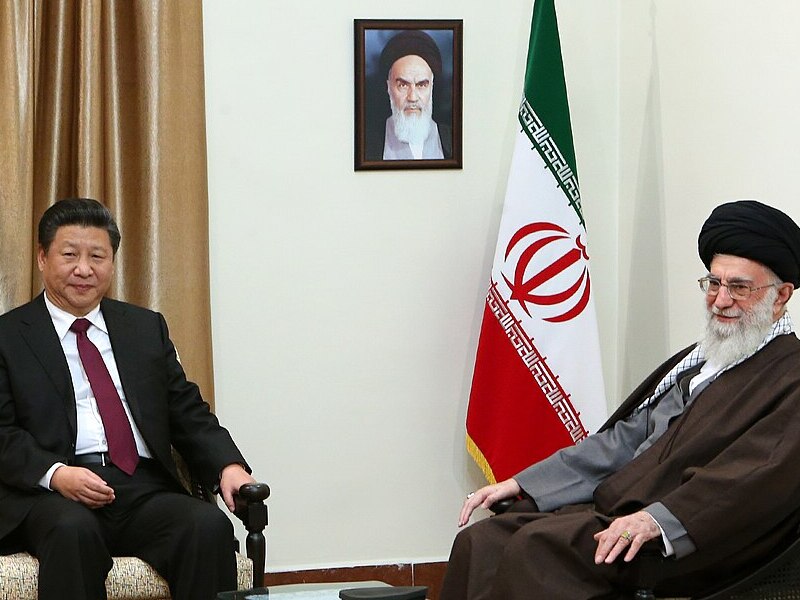
Charles de Gaulle, the father of the French Fifth Republic and French nuclear policy, once proclaimed that “no country without an atom bomb could properly consider itself independent.” Consequently, France is the only European NATO ally with a domestically developed nuclear arsenal. Said arsenal has enabled French leaders to pursue a degree of strategic differentiation within NATO, where France remains outside NATO structures like the Nuclear Planning Group. French policymakers have long spoken Read More…
Indo-Pacific and NATO

What the Iran War Means for China’s Taiwan Calculus

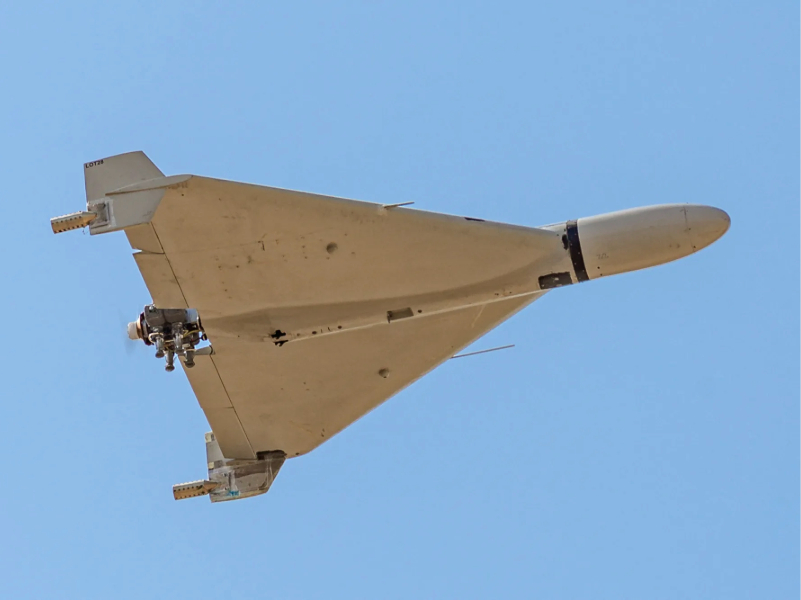
How is the Iran war reshaping China’s strategic calculations toward Taiwan? Nguyen Bao Han Tran examines how the conflict is reinforcing two competing lessons for Beijing: weaker actors can impose serious costs through asymmetric drone warfare, while prolonged U.S. military engagement elsewhere may strain allied deterrence in the Indo-Pacific. As Middle Eastern and Asian security dynamics become increasingly interconnected, this article argues that China may become more cautious about full-scale invasion while finding blockade, gray-zone coercion, and other strategies below the threshold of war increasingly attractive.

NATO and Canada

Russian Drones in Europe: New Tools of Hybrid Warfare

In recent months, there has been a growing number of incursions of NATO airspace by Russian drones. These drone incursions constitute an escalation in Russia’s hybrid warfare against Europe, which has for years sought to erode the NATO alliance, disrupt Eastern European states, and most recently interfere with the continent’s support for Ukraine. For Canada, this drastic uptick in grey-zone aggression should not be taken lightly, as it displays Moscow’s willingness to upset European security.

NATO and Canada

Deterring and Proving Commitment: Canada and Task Force Latvia

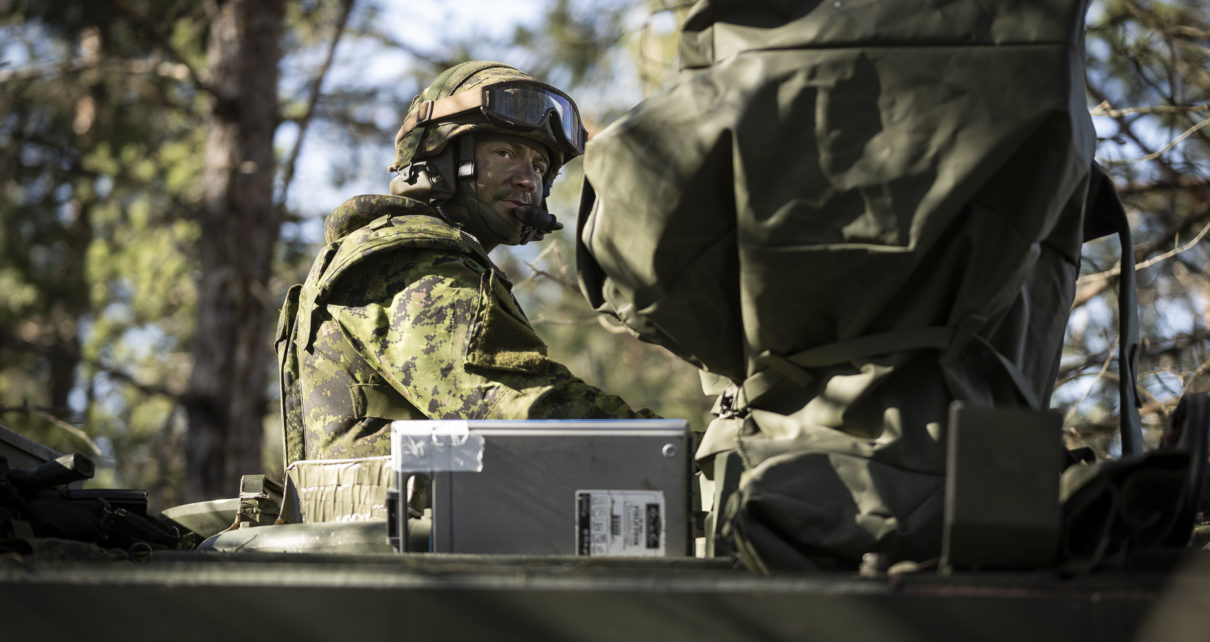
Eight years after the start of Canada’s mission to Latvia, Ottawa continues to increase its commitment to the NATO multinational formation. Arguably, this is the most important component of Canada’s defence policy and a key part of the country’s foreign policy. The enhanced forward presence brigade led by Canada is one of several formations which serve to deter Russian aggression. These ‘tripwire forces’ aim to ensure that in the event of a Russian attack, many member states would be involved, guaranteeing a general response from the alliance. Beyond this, Canada’s leadership serves as a strong example of the country’s value to the alliance and reassures allies that they would not be abandoned in the event of war.

Society, Culture, and Security Tristan Price

A Third Nuclear Age: Russia’s Role in Nuclear Proliferation Since the Invasion of Ukraine

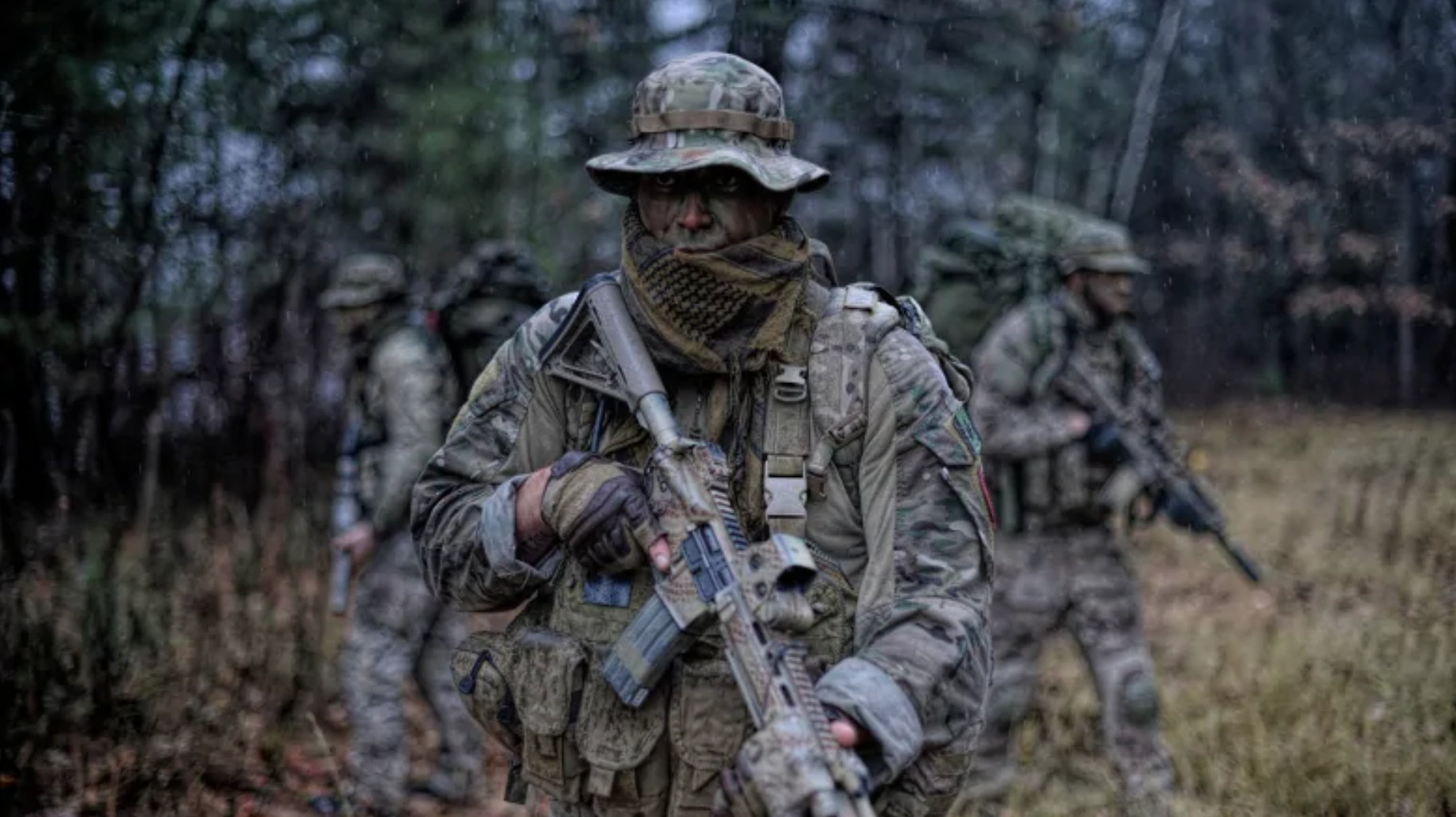
At a Royal United Services Institute event in December 2024, the head of the UK military, Admiral Sir Tony Radakin, claimed that the world could be on the brink of a “third nuclear age”. Nuclear weapon proliferation is on the rise, largely driven by the Russian invasion of Ukraine. It is important to identify the Read More…

Canada Defense Diplomatic Relations Eastern Europe and Russia Global Horizons International Law & Policy International Relations NATO NATO and Canada NATO Operations Naval Issues Projecting Politics Security Taylor Allen The United States of America Ukraine Western Europe

Testing NATO’s limits: Actionable Policy vs. Deterrence and Soft Power

Is NATO doing enough? In this comprehensive piece, analyst and program editor Taylor Allen critically analyzes bilateral relations between NATO and Russia amidst growing tensions over the past decade.