placeholder for programs

Cyber Security and Emerging Threats

Assessing Canadian Nuclear Latency Amidst Declining Confidence in Extended Nuclear Deterrence 

As confidence in American commitments declines, new extended nuclear deterrence arrangements are emerging in the EU. Canada, geographically distinct from this emerging network, thus ought to reassess its nuclear- latent stance. The article concludes continued nuclear latency is the most strategic positioning for Canada.

Tessa McDermid Women in Security

Resilient to the Manosphere: How NATO Can Counter Algorithm-Driven Threats to Women’s Security

The manosphere is a network of communities united by opposition to feminism that has expanded from fringe corners of the internet into mainstream public discourse. In this article, Tessa McDermid presents how social media algorithms are mainstreaming manosphere ideology among Gen Z men, and how this poses threats to the safety and participation of women in NATO’s armed forces and to the Alliance’s Women, Peace and Security (WPS) commitments. Addressing these risks requires NATO to update its WPS policy to explicitly incorporate manosphere produced threats, expand counter-radicalization programmes to recognize online misogyny as an extremist pathway, and to invest in digital and gender literacy training for military personnel.

Centre For Disinformation Studies

Democracy and Disinformation, Part 2: The European Case

The European Union has come to treat disinformation not as a problem of false information, but as a threat to democracy itself. In this article, Dominique Arseneau-Bruneau examines how legality, legitimacy, and speed shape the EU’s response to information confrontation and what its experience reveals about the limits of democratic defence.

Environment, Climate Change, and Security Uncategorized

Thawing Foundations: Permafrost and the Future of Arctic Defence

Canada’s Arctic security debate mostly focuses on the visible signs of geopolitical change. While Russian military activity, Chinese interest in polar routes, and NORAD modernization dominate the debate, one serious threat is occurring under Canadians’ feet. As permafrost thaws, the physical ground supporting Arctic infrastructure is becoming less stable. This is not only an environmental Read More…

Environment, Climate Change, and Security

Should NATO Treat Climate Data as Strategic Intelligence?

Should NATO Treat Climate Data as Strategic Intelligence? Climate change is recognised as a major threat that is shaping global security. Rising temperatures and extreme weather patterns are affecting economic stability and infrastructure resilience. As these risks become more frequent, climate data has become an important tool for anticipating these threats.  Climate data is long-term Read More…

Canadian Armed Forces

Modernizing Canada’s Reserve Force

How can the CAF modernize its Reserve Force to remain relevant and operational amid a deteriorating global security environment? In this piece, Alaina Brunone examines how severe recruitment and training bottlenecks are hindering Canada’s ambitious 2025 mobilization goals. She highlights how decades of military underspending have complicated this overhaul, resulting in only one in thirteen applicants enlisting and a decline in basic training completion rates. She argues that to overcome these structural constraints, the CAF must confront tough trade-offs regarding trade-specific enlistment standards. Ultimately, Alaina showcases how the military is moving beyond discussion by leveraging targeted incentives and unconventional civilian partnerships to expand training capacity.

NATO and Canada

Ukraine’s Victory Paradox: Preventing Defeat Without Defining Victory

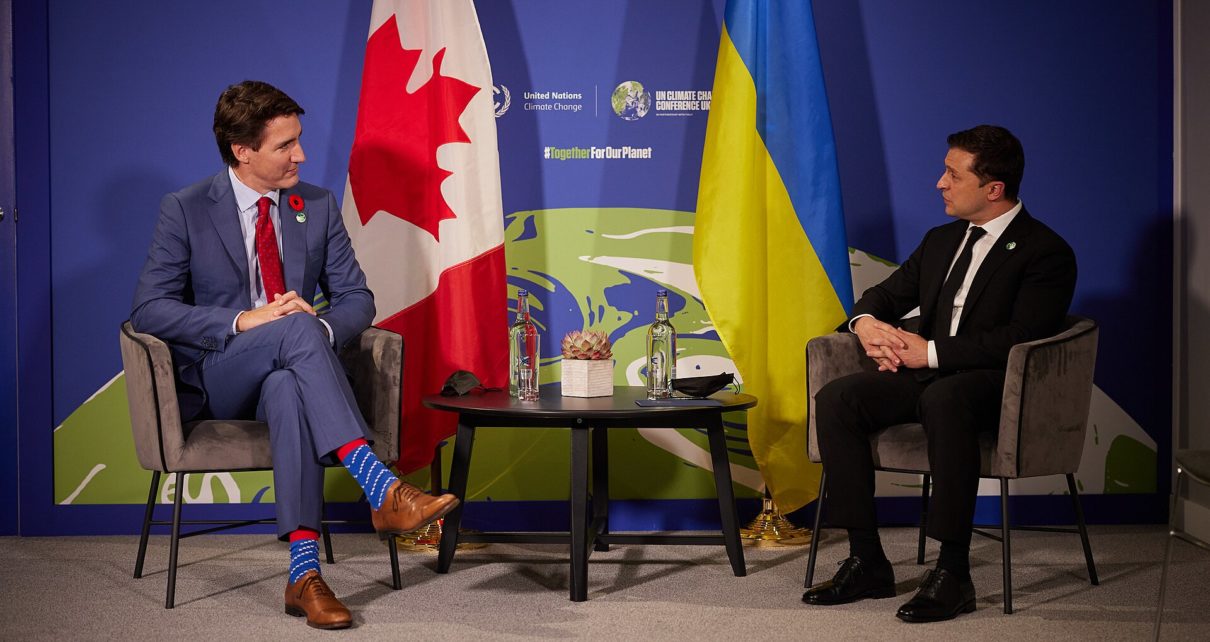
How will the war in Ukraine end? While NATO allies have been effective in preventing Ukraine’s defeat, defining a political end-state has proven much more complicated. In this piece, Jonah Moffatt examines the “victory paradox” between Moscow and Kyiv, and the implications of this stalemate on Canadian national interests. With peace talks on the back burner and shifting geopolitical priorities, the relationship between peace and victory becomes increasingly unclear.

Cyber Security and Emerging Threats

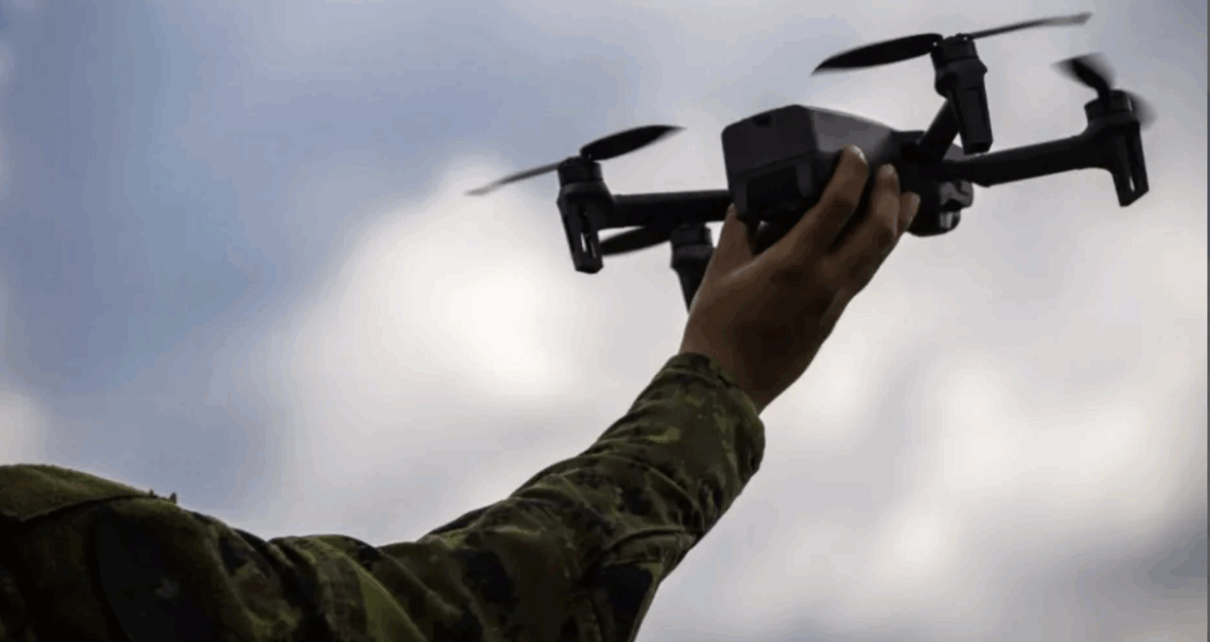
Emerging Intelligence Market: Know-How and Training for Combat Drone Usage

From Kyiv to Tehran, states are building new partnerships around drone warfare knowledge, training, and battlefield innovation. This article uses a SWOT analysis approach to explore NATO’s position and potential in the emerging global know-how market.

Indo-Pacific and NATO

Indian Lightning: The Case for the Export of the F-35 to India

Through its choice of defence imports, India has long positioned itself between West and East. Vivek Sapru argues that the formal offering of the F-35 as an export platform for the Indian Air Force would serve both New Delhi and NATO’s interests by strengthening defence ties, improving deterrence towards Beijing and by potentially weaning India off Russian imports.