Giselle D'Anna is a Junior Research Fellow with the NATO Association of Canada and a recent graduate of Western University, where she completed a double major in International Relations and the School for Advanced Studies in the Arts and Humanities (SASAH). Her research interests focus on the future of democracy, the role of emotion in politics and international relations, and the evolving challenges facing the liberal international order. Through her writing, she explores how political narratives, public sentiment, and global crises shape governance, security, and international cooperation.
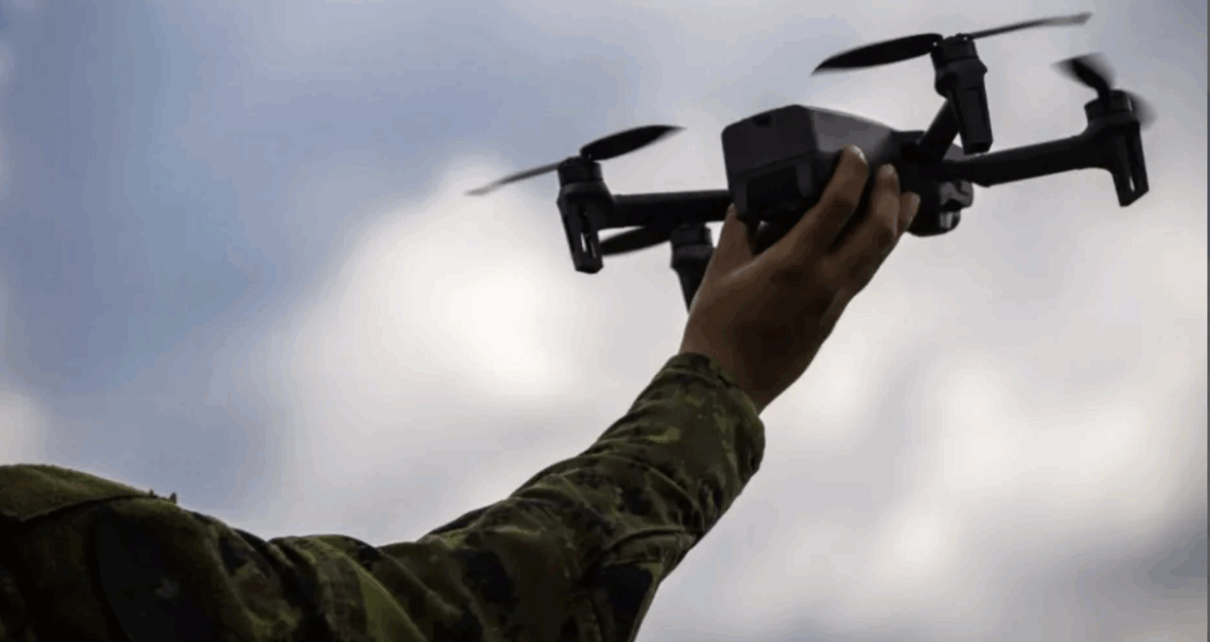
When warfare is designed to distance the soldier emotionally and physically from the battlefield, international humanitarian law pays the price. Giselle D’Anna examines how remote warfare and AI-enabled targeting are eroding civilian protection obligations, and what Canada owes to the future of war.
Canada has finally committed to meeting NATO’s spending expectations, but public support for those commitments may be far shallower than policymakers assume. As defence spending rises and global instability intensifies, Canadians increasingly support military investment while remaining uncertain about the obligations and trade-offs that collective security requires. This article argues that Canada’s greatest defence challenge is not necessarily financial, but democratic: a growing gap between the commitments Ottawa is making and the public understanding needed to sustain them. Without greater strategic literacy, support for defence spending risks remaining reactive, fragile, and vulnerable to changing political and economic conditions.
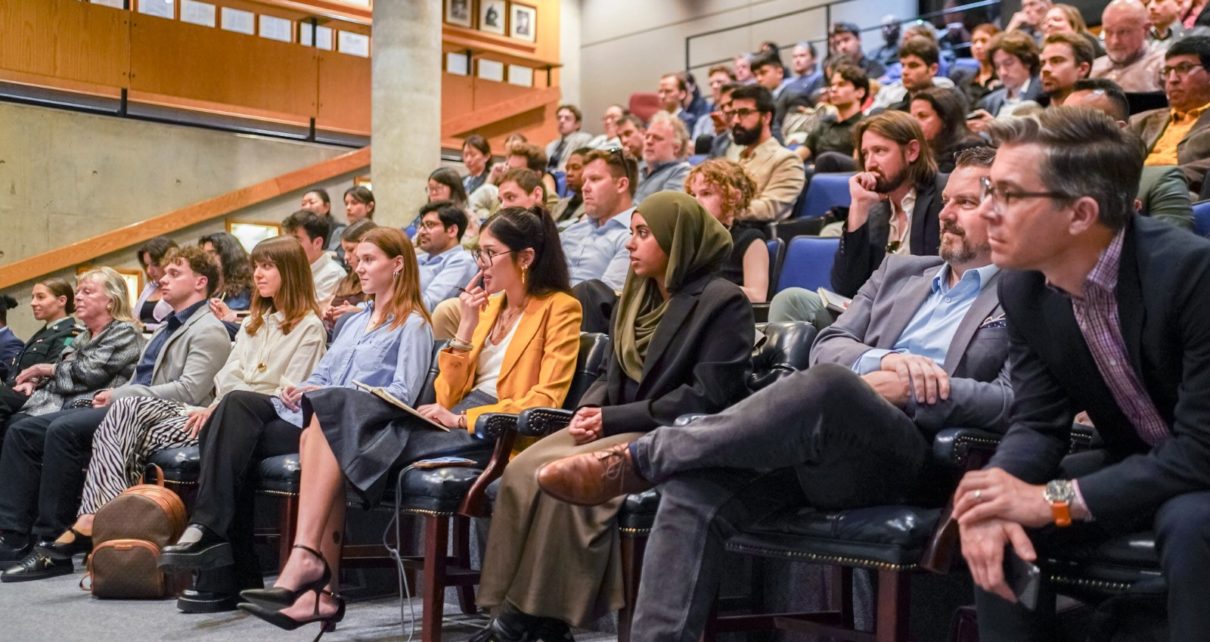
On Monday, May 25, 2026, the NATO Association of Canada hosted a panel discussion titled “AI and Warfare: When Machines Make Decisions”. The discussion brought together experts from defence, academia, policy, and industry to examine the growing role of artificial intelligence in modern warfare. This report provides a detailed overview of the event’s discussions.