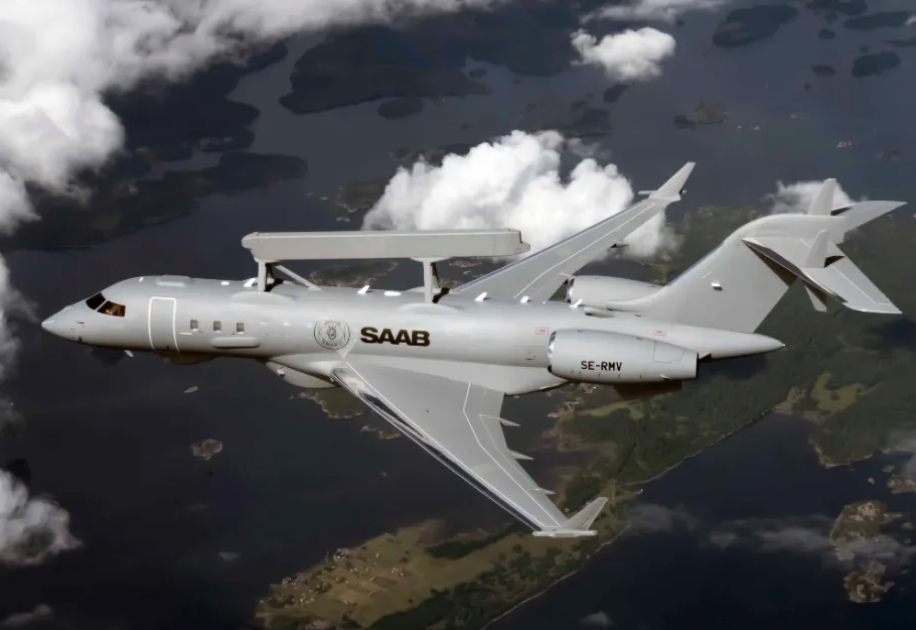
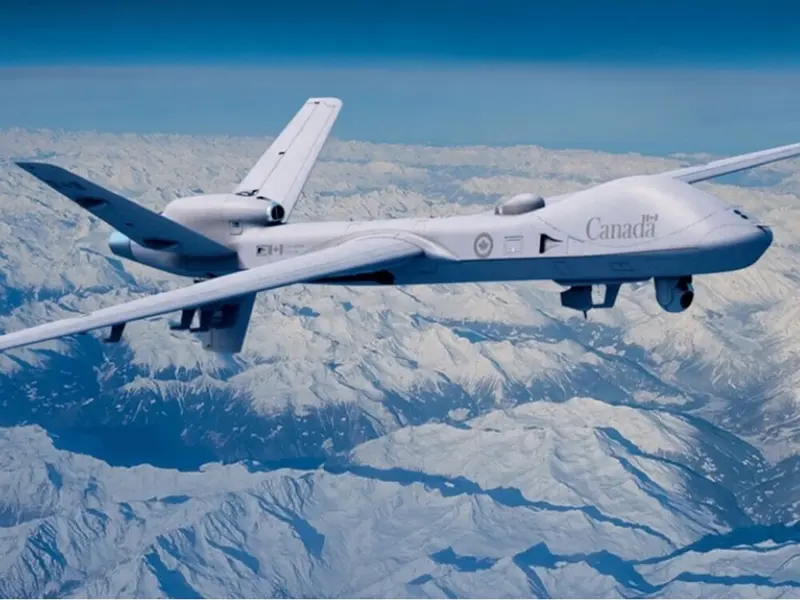
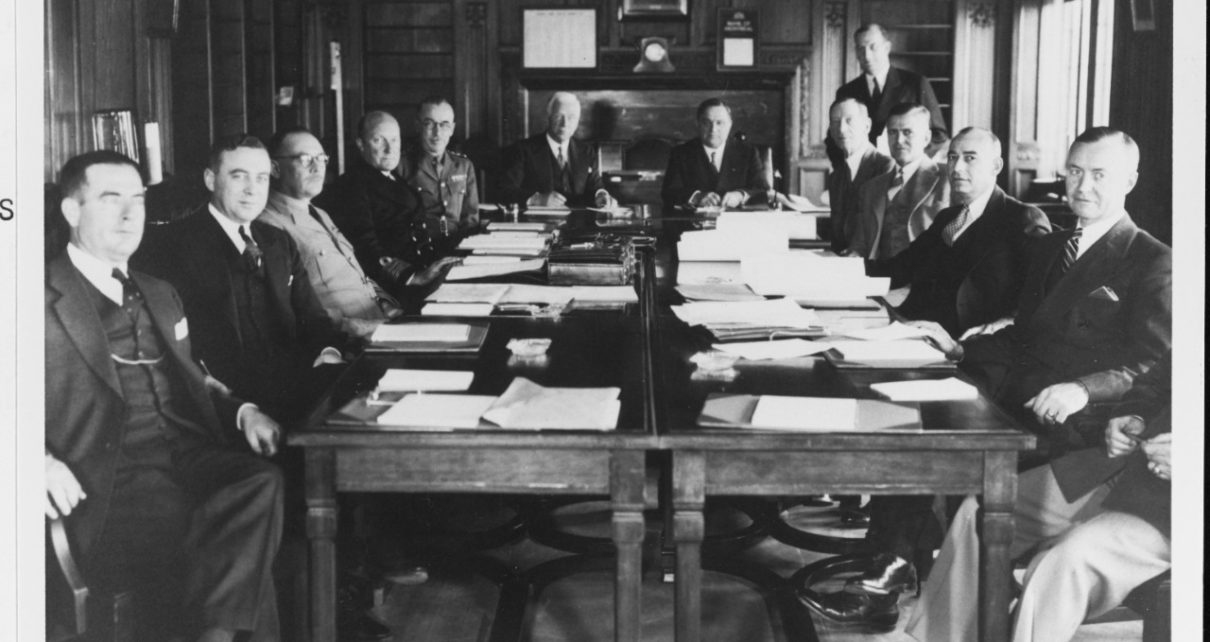
As NATO allies commit to spending 5% of GDP on defence by 2035, Kaya Dupuis examines how Canada plans to finance its most ambitious military commitment since the Cold War and whether a new multilateral bank can succeed where Victory Bonds once did. Can capital markets do what kitchen-table patriotism once accomplished?
Articles
Advanced Deterrence: What France’s New Nuclear Doctrine Means for NATO
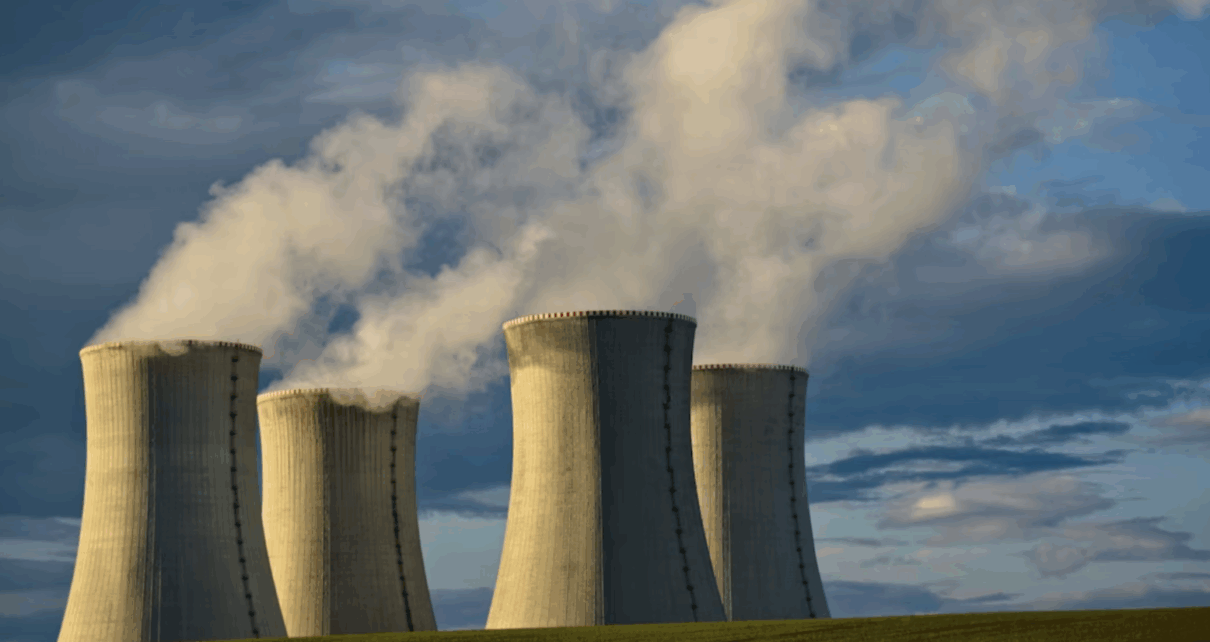
Charles de Gaulle, the father of the French Fifth Republic and French nuclear policy, once proclaimed that “no country without an atom bomb could properly consider itself independent.” Consequently, France is the only European NATO ally with a domestically developed nuclear arsenal. Said arsenal has enabled French leaders to pursue a degree of strategic differentiation within NATO, where France remains outside NATO structures like the Nuclear Planning Group. French policymakers have long spoken Read More…
Canada in the Pacific Islands: Rectifying Ottawa’s Pacific Island Blindspot
Where are the Pacific Islands in Canada’s Indo-Pacific Strategy? In his latest article, Joel Sawyer examines Canada’s Pacific Islands approach, highlighting the region’s central importance to geopolitical competition, food security, and as an potential source of climate change-induced insecurity.
What the Iran War Means for China’s Taiwan Calculus
How is the Iran war reshaping China’s strategic calculations toward Taiwan? Nguyen Bao Han Tran examines how the conflict is reinforcing two competing lessons for Beijing: weaker actors can impose serious costs through asymmetric drone warfare, while prolonged U.S. military engagement elsewhere may strain allied deterrence in the Indo-Pacific. As Middle Eastern and Asian security dynamics become increasingly interconnected, this article argues that China may become more cautious about full-scale invasion while finding blockade, gray-zone coercion, and other strategies below the threshold of war increasingly attractive.
Innovation and Inclusion: Leveraging NATO DIANA to Advance Women in STEM
Isabelle Zhu argues that NATO DIANA can serve as a key platform to uplift women in STEM. By providing opportunities to connect women across the Alliance with the private and public sectors, government, and academia, DIANA has the potential to advance women’s involvement and participation in these fields.
Nuclear Allegations and Rhetoric Continue to Undermine Global Peace
Hope Arpa re-evaluates the logic of nuclear deterrence in the context of nuclear programs allegation’s use to justify interventions. The article considers allegations of nuclear programs as motivators of preemptive strikes, discursive tools to justify intervention politically and socially, and the perception of enemy states as nuclear ambitious causing security dilemmas. The root cause of these conflicts is not necessarily framed as exclusively the nuclear weapons themselves, but the international system’s framing of them as the ultimate ‘self-defense’ tools.
Changing the Currents of Conflict: Oil, Water, and the Flows Reshaping the Middle East
Conflict follows the currents of scarcity, and NATO must navigate a world where the most dangerous battles are fought over what no longer flows freely. These behaviours signal a shift in how conflict will unfold: not only through conventional force, but through the manipulation, withholding, and weaponization of essential resources. This article explores three plausible scenarios – oil dominance, water ascendancy, and a dual‑pressure world – to map how resource hoarding could shape the next generation of conflict in the Middle East and beyond, and what this means for NATO’s strategic posture in the decades ahead.
Is NATO Ready for the Brain Battlefield? Navigating the Governance Window for Neurotechnology
In the shadow of artificial intelligence, governments are pouring billions into technologies that collapse the distinction between human thought and machine computation. If NATO does not intervene early, it risks ceding strategic influence to competitors who view the mind as a domain for military advantage. Yet the strategic promise of neurotechnology is matched by questions about control, accountability, and exploitation that the Alliance cannot afford to ignore. NATO must move quickly, but through a phased approach that balances innovation with the protection of cognitive integrity.
2 Years On: What “Our North, Strong and Free” has — and hasn’t — Delivered
This April marks two years since the Department of National Defence released its updated policy titled “Our North, Strong and Free: A Renewed Vision for Canada’s Defence,” which pledged $8.1 billion over five years and $73 billion over 20 years in national defence, signifying a new commitment to a military that had previously been underfunded Read More…
Uncertain Course: Japan’s Indo-Pacific Strategy Under Review
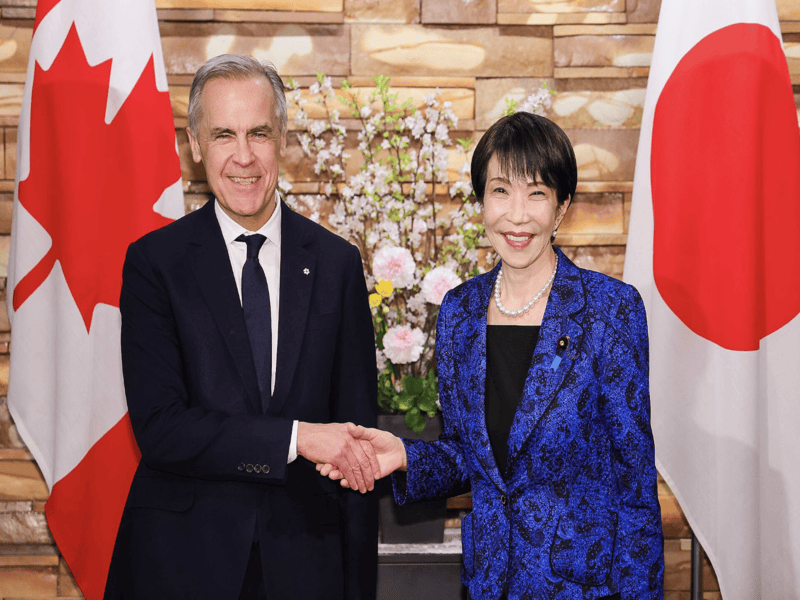
As Chinese pressure on Japan intensifies across military activity, economic coercion, and political influence, Prime Minister Sanae Takaichi’s has undertaken a review of Japan’s Free and Open Indo-Pacific Strategy in response to a harsher strategic environment. Tasneem Gedi argues, however, that FOIP’s credibility will ultimately depend on whether Tokyo can build a framework durable enough to hold as American support becomes less predictable and the alliance structure underpinning it comes under greater strain.