As NATO races to integrate commercial satellites into its collective defence architecture, can Canada afford to remain a passive consumer of allied space infrastructure? In this article, Kaya Dupuis argues that Canada must modernize its space governance framework, through updated export controls and a dedicated space security policy, to position its world-class space industry as a formal contributor to NATO security before the rules of governing commercial military space are written by others.

Articles
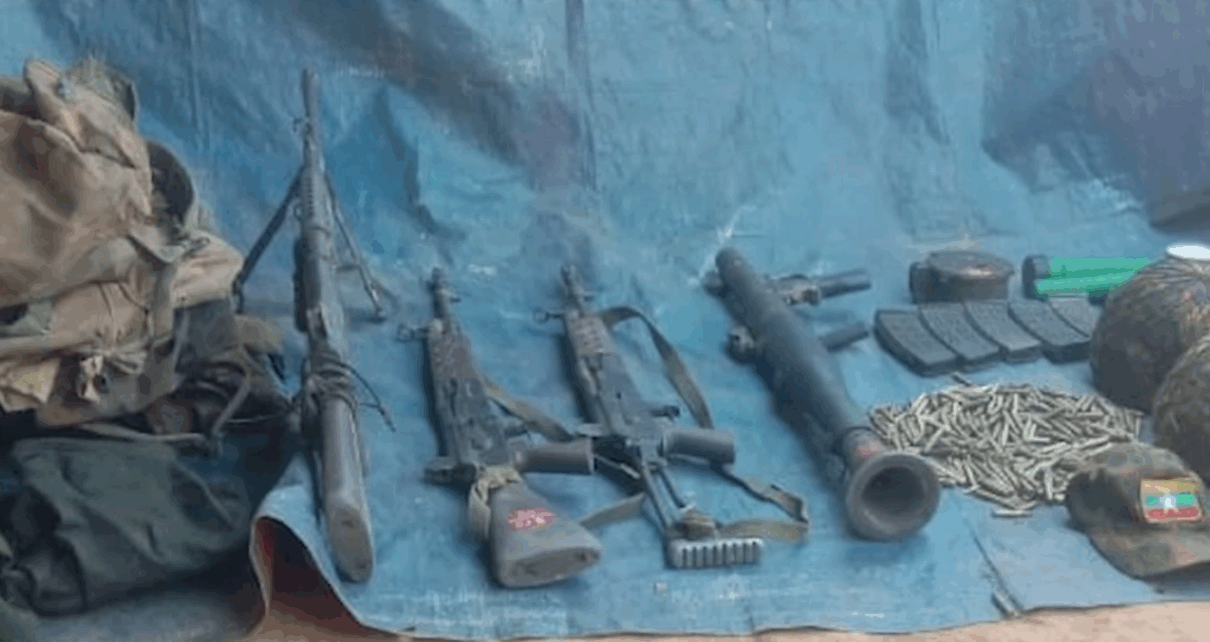
Energy Security and the Limits of Sanctions: Lessons from Myanmar
Despite extensive sanctions and international pressure following the 2021 military coup, Myanmar’s natural gas exports have continued to generate significant foreign currency revenues for the military government.
Using Myanmar as a case study, this article argues that the principal constraint on sanctions has not been a lack of legal authority or political will, but the realities of energy security. Myanmar’s offshore gas sector is deeply embedded within regional energy networks that continue to serve the strategic and economic interests of neighbouring states, creating dependencies that complicate efforts to disrupt those revenue streams.
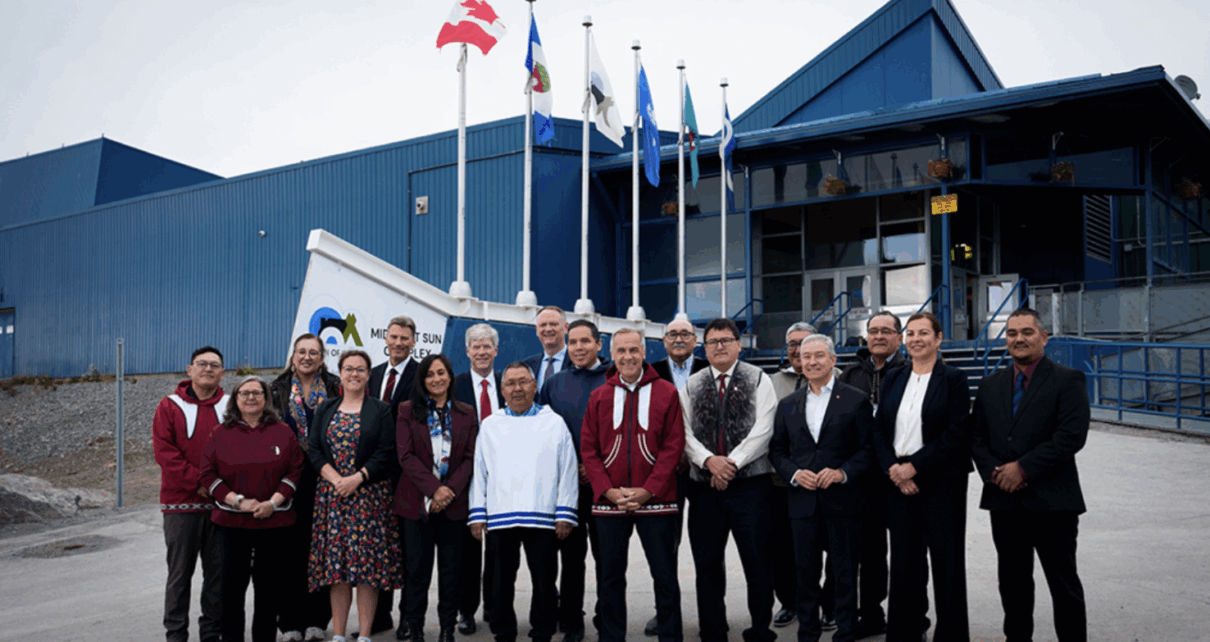
Indigenous Leadership: The Missing Pillar of Canadian and NATO’s Arctic Security Strategy
As geopolitical competition intensifies across the Arctic, Canada and NATO’s Arctic security strategy must extend beyond defence capabilities. This article explores how meaningful partnerships with Inuit and Indigenous communities strengthen Arctic sovereignty through Indigenous leadership, environmental stewardship, and generations of lived experience and permanent presence.
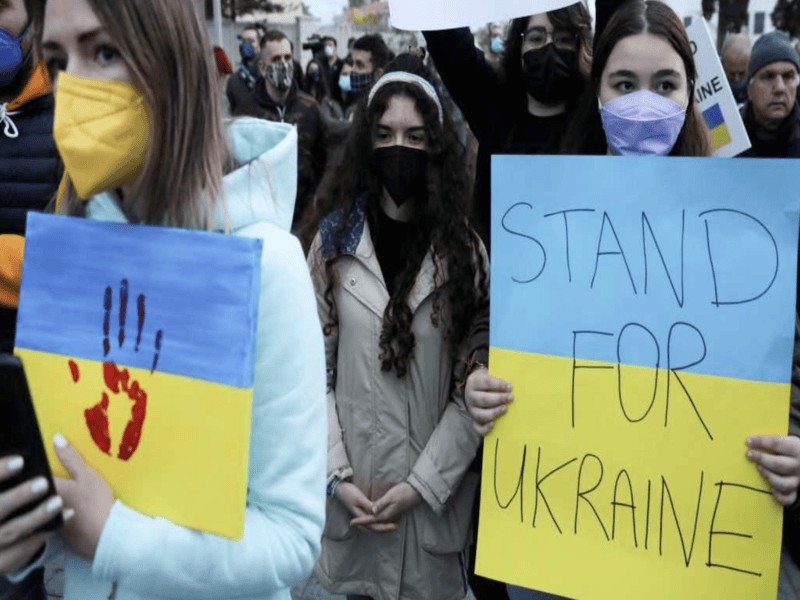
Testimony as Justice: Ukrainian Women Documenting the Unthinkable
Ukrainian women-led organizations are building the evidentiary record for Russian wartime sexual violence, but are Canada and its NATO allies directing enough resources to the mechanisms that make accountability possible? In this article, Kaya Dupuis examines how organizations like La Strada-Ukraine and JurFem are documenting conflict-related sexual violence under active fire and what Canada’s commitments under NATO’s Women, Peace and Security agenda actually look like on the ground.
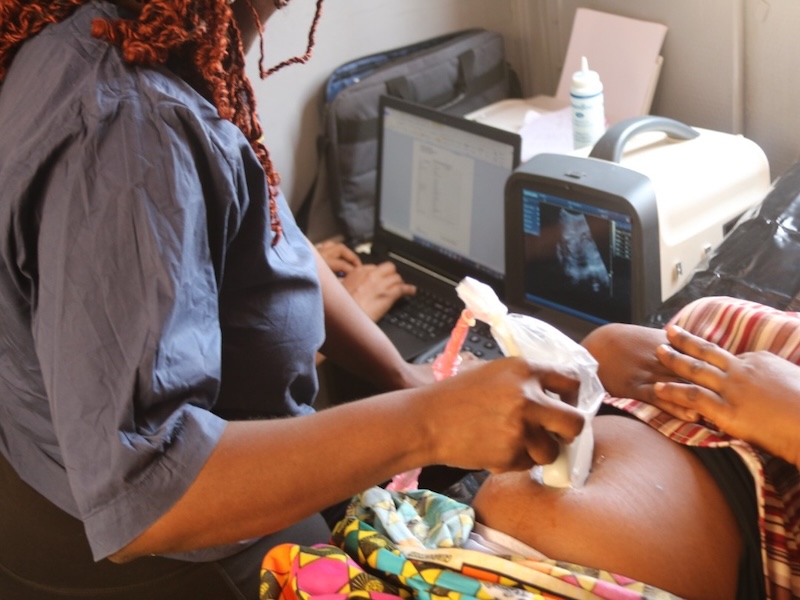
Protecting Women and Girls in Conflict: Sexual and Reproductive Health as a Global Health Security Imperative
Armed conflict is often measured by territorial gains, military casualties, and geopolitical consequences. Yet one of its most enduring and overlooked consequences is the destruction of health systems and the disproportionate burden placed on the health of women and girls. As conflicts become increasingly protracted, attacks on healthcare facilities, the displacement of civilians, and widespread Read More…
Cognitive Liberty at the Edge: A Governance Framework for NATO Neural Interface Security in the Hybrid Threat Landscape
Neural interfaces are entering NATO’s own defence health systems, and existing cybersecurity frameworks weren’t built for them. This article lays out what NATO should do before the gap is exploited.
Tag‑Swapping at Toronto Pearson: Insider Threats, Cyber‑Physical Airport Systems, and NATO’s Resilience Agenda
This article will look at the baggage‑tag switching scandal at Toronto Pearson Airport—where insiders allegedly moved passengers’ tags onto drug‑filled suitcases—and use it to show how modern airports have become vulnerable to cyber‑physical systems, not just places with broken conveyor belts.
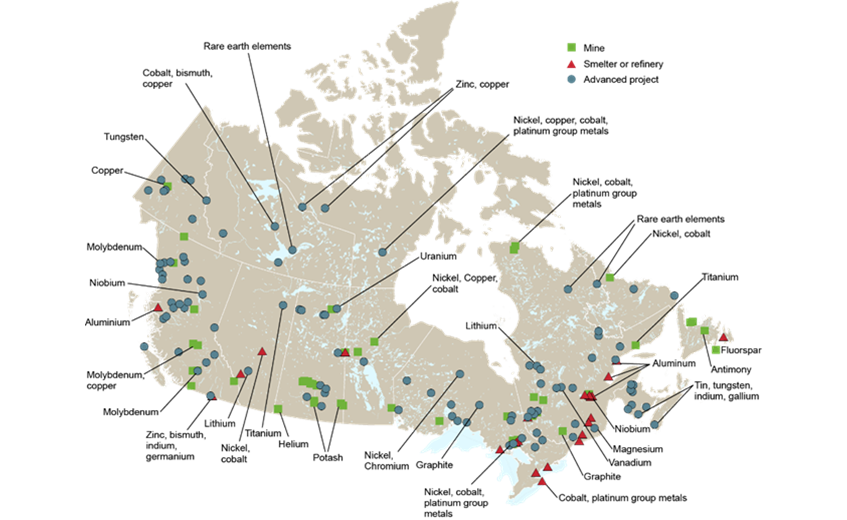
2026 Virtual Policy Hackathon Report: Trade Tariffs and Critical Minerals Strategy
On May 30, 2026, the Canadian International Council hosted its 2026 Virtual Policy Hackathon, in partnership with the University of Toronto’s Munk School of Global Affairs and Public Policy, the NATO Association of Canada, CIC Vancouver, and Venford Technologies. Participants were assigned a scenario that combined escalating United States tariffs on Canadian exports with the Read More…
Stay or Leave? The Threat of Russian Influence in Albertan Separatism
What’s in it for Russia? As Russian involvement in the promotion of Alberta separatism comes into sharper focus, Zev Wood argues that it reflects a long-standing strategy employed by Russia aimed at covertly weakening its adversaries. He examines the ensuing implications for Canada’s sovereignty and economy as well as the knock-on effects on NATO.
Weaponized Migration: When Mobility Becomes a Weapon of War
Through the manipulation of human mobility, states are transforming human desperation into a weapon. As migrants and refugees are increasingly being employed as weapons of war, NATO must be prepared to respond to this hybrid challenge, which carries significant security and humanitarian implications.