Zev Wood is a Junior Research Fellow at the NATO Association of Canada’s NATO and Canada program. His work focuses on the pressures of foreign interference, alliance realignment, and internal cohesion challenges that are reshaping Canada’s role in the international order. Zev is a third-year undergraduate student at McGill University, majoring in Political Science with a focus on international relations and minoring in Jewish Studies. His broader academic interests include insurgency and counterinsurgency in the Global South, Canadian foreign and social policy, and Jewish political culture.
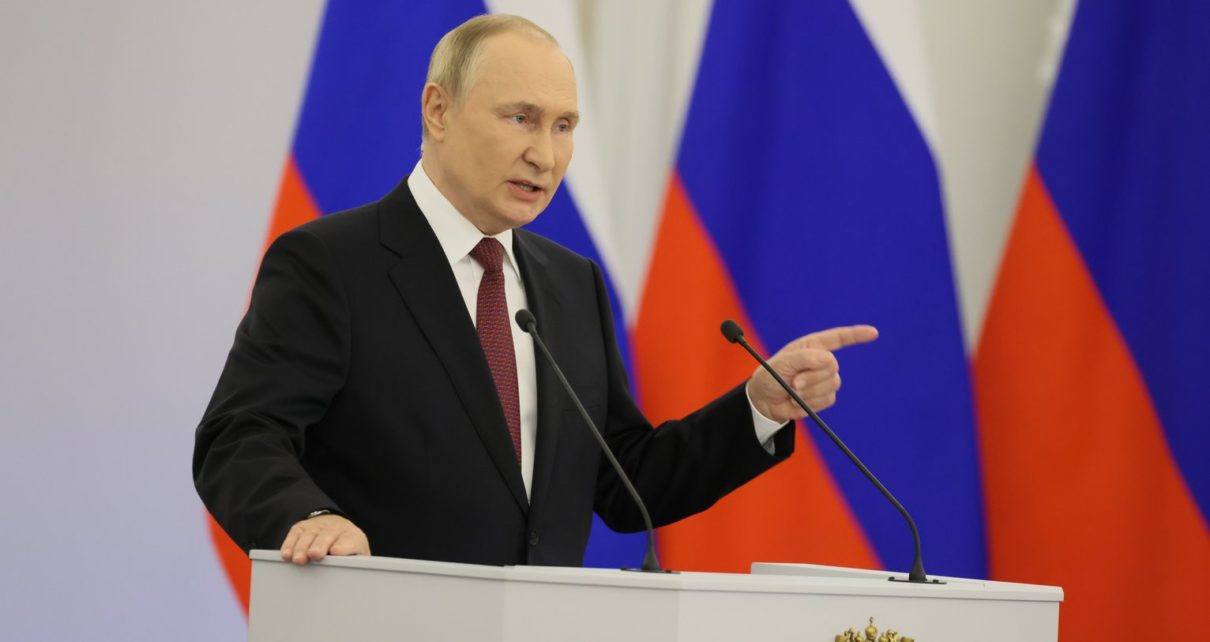
With rumblings that Russia might provoke neighbouring NATO member states, Zev Wood seeks to unravel Putin’s rationale and strategy. He argues that to counter potential military encroachments by Russia, Canada and NATO should remain steadfast in increasing deterrence posture, while simultaneously remaining aware of the potential blowback effects that accompany such a path. Using deterrence theory, Zev concludes that Canada should advocate for a strategy that combines credible deterrence and diplomatic off-ramps to reduce the potential for further escalation.
Is Canada an alliance liability? Zev Wood examines the arrest of an alleged Canadian spy at NATO, arguing that NATO’s decentralized vetting structure places greater importance on domestic security screenings, which increases the risk of Canada being perceived as a liability because of its structural vulnerabilities. Amid Canada’s renewed efforts to reaffirm its centrality within the alliance, Zev argues that the espionage case risks undoing meaningful strides made by the current government. To address this and protect NATO’s operational cohesion, Zev proposes institutional reforms to close gaps in Canada’s vetting architecture that allowed this case to occur.
What’s in it for Russia? As Russian involvement in the promotion of Alberta separatism comes into sharper focus, Zev Wood argues that it reflects a long-standing strategy employed by Russia aimed at covertly weakening its adversaries. He examines the ensuing implications for Canada’s sovereignty and economy as well as the knock-on effects on NATO.
In this article, Zev Wood examines the NATO and Canadian-level implications of NATO’s decision to replace its aging Boeing E-3 Sentry surveillance fleet with the GlobalEye. He argues that the deal, while reflecting NATO’s desire to improve its military capacity, points to a broader realignment away from the United States. He underscores that this moment provides Canada with a strategic window to entrench itself as a reliable alternative to the United States and a burgeoning defence manufacturing nation.