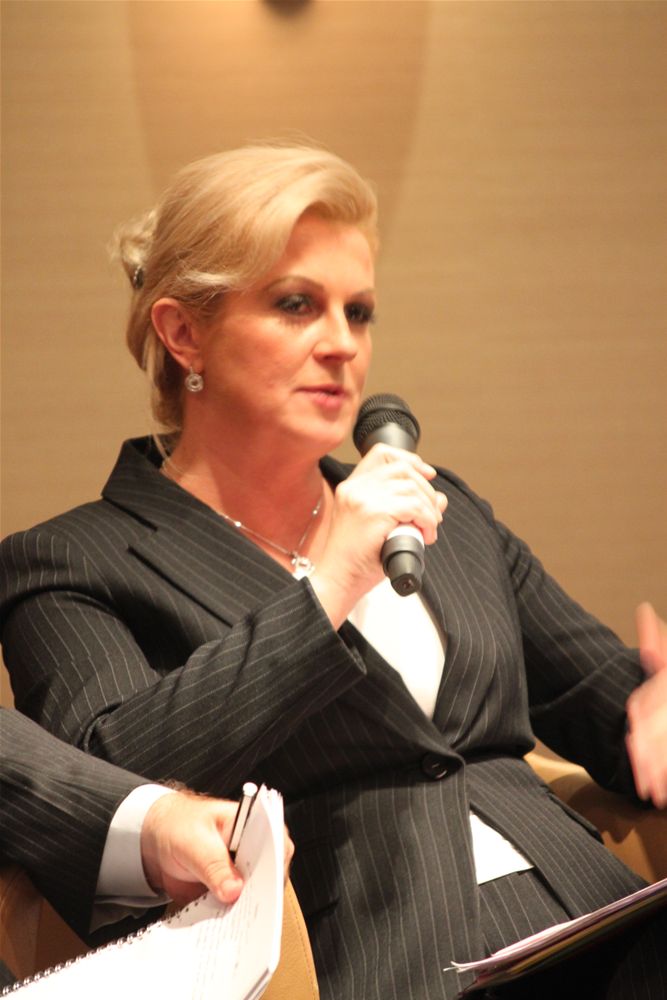
Interview from ‘NATO: a Credible Security Provider? Strengthening European Security and Defence Capabilities within the Alliance’ conference in Cardiff, Wales; organized by Forum Europe and NATO.
placeholder for programs
Interview from ‘NATO: a Credible Security Provider? Strengthening European Security and Defence Capabilities within the Alliance’ conference in Cardiff, Wales; organized by Forum Europe and NATO.
This article explains NATO Partnerships policy.

The Chilean government seemingly democratic, inclusive and multicultural policies are not what they seem on the surface.
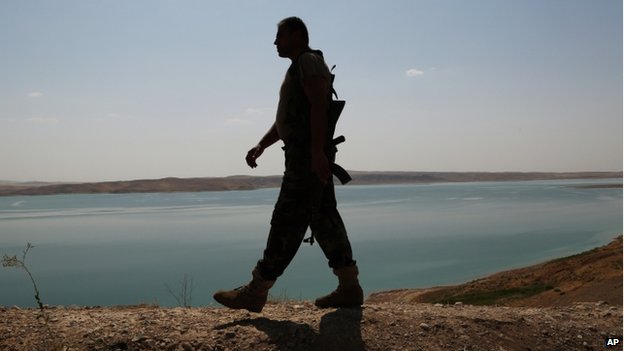
Why the execution of James Foley will not impact US military involvement in Iraq.

Craig Moorhead analyzes the growing need for the presence of the Canadian Armed Forces in the Arctic.
An interview conducted by Jenny Yang with Dr. Robin Niblett at a ‘NATO after the Wales Summit’ conference hosted by Cardiff University in conjunction with NATO’s Public Diplomacy Division.

Jenny Yang, NATO Council of Canada’s Junior Research Fellow, attended the Sec-Gen’s doorstep speech today this morning, and transcribed it an hour later. Here is the transcription.

A discussion on why the UN Global Counter-Terrorism Strategy is ineffective in curbing terrorism around the world.

Sayde-Hope Crystal examines the growing export of homegrown terrorists overseas.

As classes begin, Carlos Abarca examines how back-to-school has become an indicator of Canada’s social social class system.