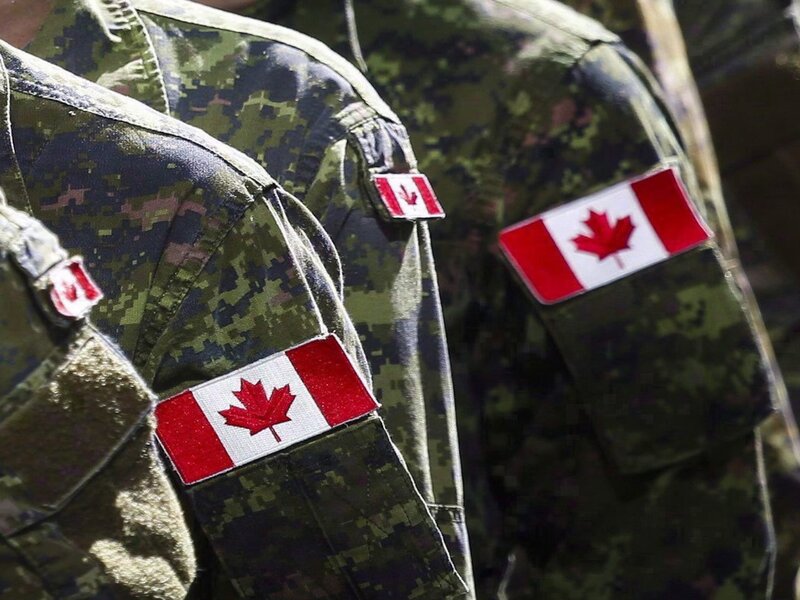
As the Canadian Armed Forces (CAF) operate below authorized strength, with fewer personnel than required to meet force structure targets and sustain key capabilities, the Government of Canada has announced plans to create a pathway aimed at bringing in skilled foreign military recruits. The policy rationale is to reduce shortages in high-skill occupations where training pipelines are long and demand is immediate.
As allied militaries face ongoing personnel shortages, targeted external recruitment is being considered as one way to strengthen capability and support long-term sustainability. At the same time, it raises a broader question: is this a lasting force-generation strategy, or simply a response to continuing retention pressures?
Canada released Our North, Strong and Free: A Renewed Vision for Canada’s Defence in April 2024 as its updated defence policy. The government describes it as a new policy that builds on the commitments of Strong, Secure, Engaged (2017). The policy argues that the security environment is shifting in ways that increase demand on the CAF. Major power competition is returning, hybrid tactics are blurring the line between peace and conflict, and technology is evolving quickly, requiring Canada to keep pace with its allies and maintain an operational edge. It also sets personnel growth targets, including expanding the Regular Force to 71,500 members and the Reserve Force to 30,000, alongside investments in capability areas such as cyber and space.
Recent Department of National Defence reporting indicates that personnel shortfalls continue to affect operational readiness and constrain training capacity across key occupations. In practice, this creates a timing problem: even when recruitment targets are met, training and qualification requirements can create delays before personnel become fully employable in their roles. As a result, attention has increasingly turned to mechanisms that could bring in experienced personnel more quickly while avoiding unintended effects on domestic recruiting pipelines, professional standards, and long-term retention.
Comparative experience among allied militaries provides a useful lens for assessing whether external recruitment can function as a sustainable element of force design. The United States permits certain non-citizens who have valid U.S. visas to serve. This has been previously implemented in the Military Accessions Vital to the National Interest (MAVNI) program to attract individuals with specialized language and medical expertise. While targeted at critical shortages, the program faced practical challenges including administrative delays, evolving eligibility rules, and lengthy security screening processes, which ultimately limited its sustainability. In contrast, the United Kingdom’s recruitment of Commonwealth citizens operates within established nationality rules and supplements domestic intake, but remains sensitive to labour market pressures and policy caps.
France’s French Foreign Legion, by comparison, represents a fully institutionalized model in which foreign nationals form a permanent component of the force. Together, all of the cases listed suggest that external recruitment tends to be more sustainable when it is implemented with clear eligibility frameworks, predictable intake processes, and long-term personnel planning. Where it is introduced primarily to relieve immediate shortages, however, its effects are temporary and contingent on broader retention and integration conditions. For Canada, the key question is whether external recruitment is being integrated as part of broader personnel planning or used as a short-term response to existing workforce pressures.
Across allied militaries, external recruitment tends to focus on high-skill occupations rather than general intake. Aviation, medical, and technical roles require lengthy training and substantial investment, making shortfalls in these areas particularly difficult to resolve through entry-level recruitment alone. Recruiting personnel who already possess advanced qualifications or experience can therefore help address urgent capability gaps more efficiently, although practical constraints such as credential recognition, occupation-specific training requirements, and security clearance timelines may still affect how quickly they become fully operational.
Canada’s emphasis on doctors, nurses, and pilots reflects this same logic, targeting trades where shortages have direct implications for readiness and deployability. Whether such targeting represents a sustainable addition to force design, however, depends on how well it is integrated into domestic training systems and long-term workforce planning. When aligned with these broader structures, external recruitment can help strengthen staffing in critical occupations.
If it is used mainly to deal with immediate shortages or delays in existing pipelines, it may offer short-term relief without fixing the broader issues affecting long-term personnel sustainability. The real issue is not whether external recruitment can ease short-term personnel strain, but whether it is integrated into broader force design in a way that strengthens the CAF over the long term.
Recruitment initiatives should be considered alongside retention realities within the CAF. Recent personnel research highlights the close relationship between recruitment and personnel losses, noting that increasing intake does not replace experienced members or resolve underlying retention pressures. Fast-paced recruitment can also strain training systems, lower entry standards in some cases, and contribute to early attrition, meaning that new personnel leave the organization relatively soon after joining, if expectations and occupational alignment are not assigned carefully.
While overall attrition rates in the Canadian Armed Forces have historically remained within manageable ranges, subgroup analysis shows higher levels of attrition in specific occupations and among newer members. These findings suggest that foreign recruitment, while potentially helpful in addressing targeted shortages, must be evaluated in relation to retention trends, training capacity, and long-term workforce sustainability rather than intake numbers alone.
Whether foreign recruitment becomes a lasting part of CAF force design or remains a temporary response to personnel strain will depend on how well it fits with retention trends, training capacity, and domestic workforce development. International experience suggests that external recruitment can supplement capability, but its long-term effect is shaped by implementation and institutional alignment. At present, Canada’s approach appears to lean more toward short-term capability support than long-term structural reform. That does not mean it lacks value, but it does suggest that its ultimate success will depend on deeper integration into broader personnel planning.
Photo: Members of the Canadian Armed Forces in Calgary, July 2016. Source: Jeff McIntosh/The Canadian Press/CBC.
Disclaimer: Any views or opinions expressed in articles are solely those of the authors and do not necessarily represent the views of the NATO Association of Canada.