Security, Trade and the Economy

Europe’s Rearmament and the Question of Allied Market Access

As the European Union moves to a more structured defence-industrial strategy, its new programmes are beginning to shape who gets financed to produce what, and on what terms. Canada has secured rare, privileged access to this emerging system through SAFE, but access alone does not guarantee durable industrial relevance. Are Canada, and allies, able to be meaningfully included?

Indo-Pacific and NATO

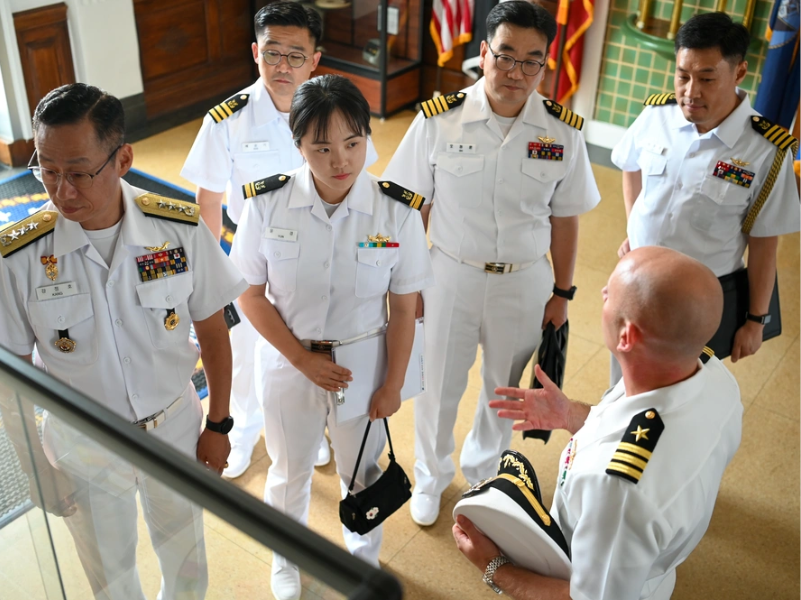
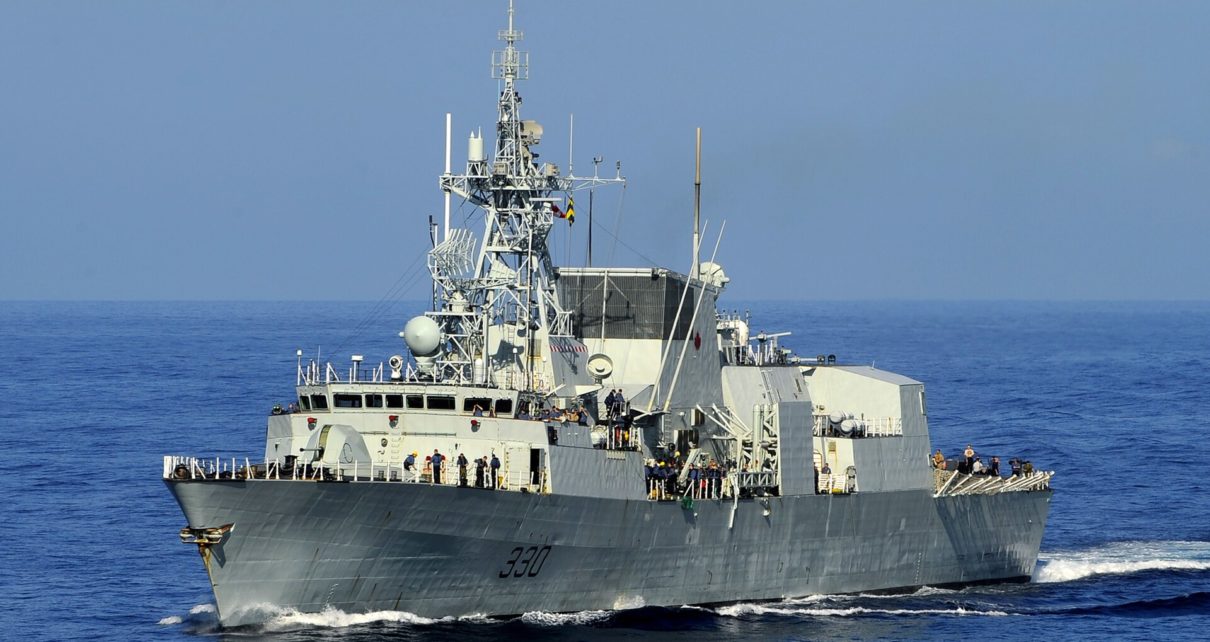
Not Just a Submarine: South Korea’s Bid and Canada’s Indo-Pacific Strategy 

As Ottawa weighs its next submarine fleet, the stakes extend far beyond procurement. Tasneem Gedi argues that South Korea’s KSS-III could help Canada restore its undersea capabilities, strengthen its Indo-Pacific posture, and lay the foundation for a deeper defence relationship with Seoul. In a more demanding world, that makes this a strategic decision with consequences well beyond the navy itself. 

Security, Trade and the Economy

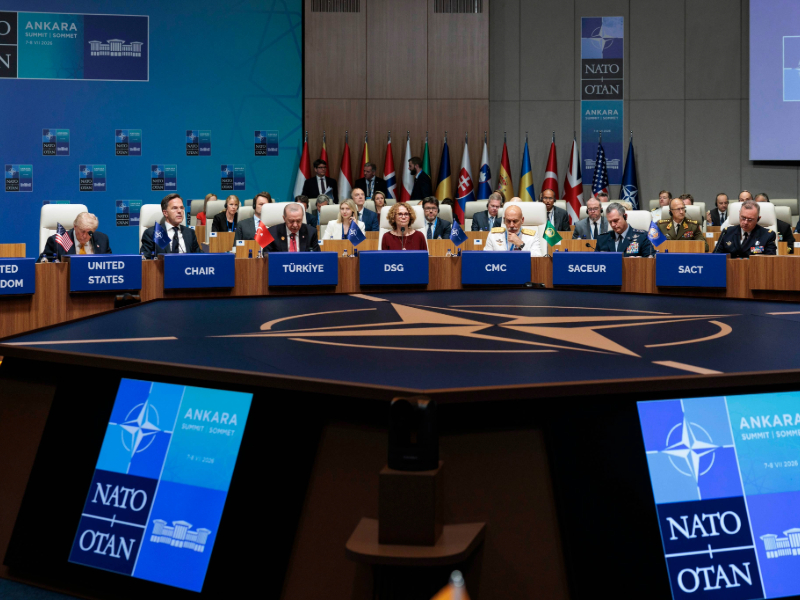
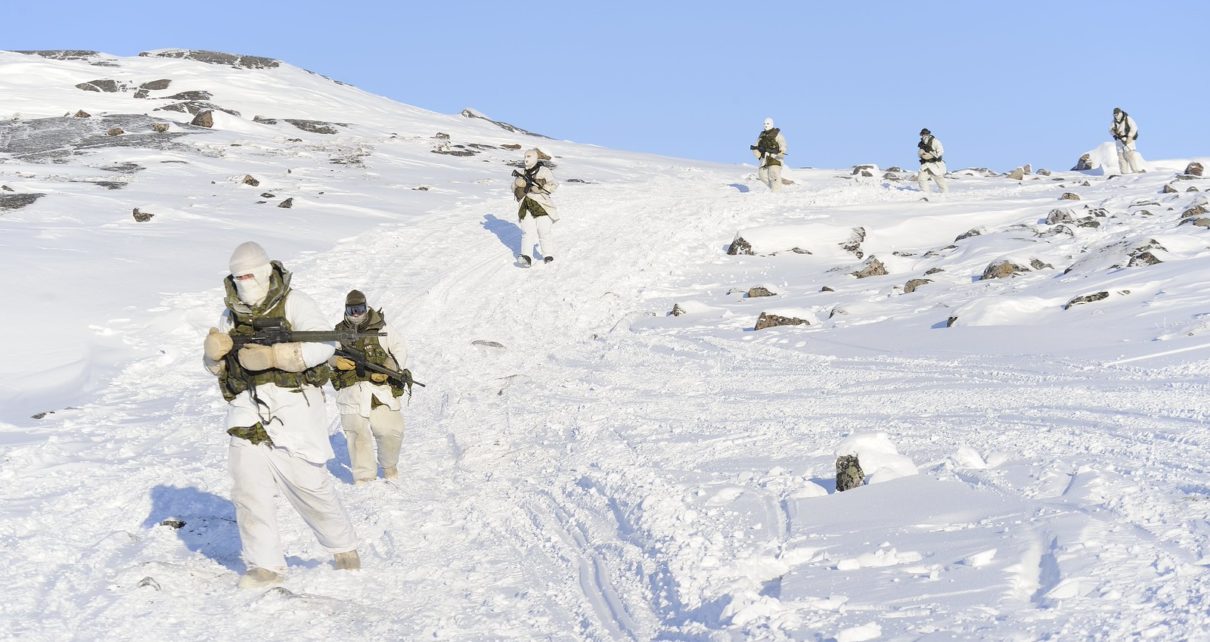
The power of Atom, shared: Future of Canada’s extended nuclear deterrence within NATO. 

Recent shifts in US defence policy have cast doubt on the reliability of the American nuclear umbrella that Canada and NATO allies have relied on for decades. While European states explore alternative deterrence arrangements through possible nuclear sharing by France and the UK, Canada’s access to these options is limited by its geography. This article argues that Canada can address this vulnerability without compromising its non-proliferation commitments by deepening its role in NORAD. Canada’s strategic importance to North America’s Arctic defence gives Ottawa unique leverage – which it should actively use to reinforce its membership within the American extended nuclear deterrence in face of mounting global security challenges.

Canadian Armed Forces Jasmine Doobay-Joseph

Can External Recruitment Address Skill Shortages in the Canadian Armed Forces?

As the Canadian Armed Forces (CAF) continue to operate below authorized strength, the Government of Canada has announced plans to create a pathway for skilled foreign military recruits to help fill shortages in critical occupations. This reflects a broader challenge facing allied militaries: how to fill urgent personnel gaps without creating new long-term problems. This article examines whether foreign recruitment is becoming a lasting part of force generation or whether it is being used to respond to ongoing personnel pressures.
Drawing on examples from the United States, the United Kingdom, and France, the article argues that external recruitment works best when it is connected to broader personnel planning, domestic training systems, and retention efforts. While it can help ease pressure in high-skill occupations such as aviation and medicine, its long-term value depends on whether it strengthens the force over time. The analysis suggests that foreign recruitment can support capability, but its overall value will depend on how well it fits within Canada’s wider workforce approach.

Security, Trade and the Economy

What does the Venezuelan Oil Situation mean for Canadian Energy Security in the NATO Alliance?

In this article, Kaya Dupuis examines how the U.S. seizure of Venezuelan oil reserves in January 2026 creates an unprecedented opportunity for Canada to reshape North American energy dynamics. Can Canada move fast enough to capitalize on Venezuela’s decade-long recovery timeline and secure its position as the continent’s energy supplier before the window closes?

Security, Trade and the Economy

Financing Resilience in Critical Minerals: How Allies Are De-Risking with Policy

Supply chain dominance is an easy path to economic coercion. As critical minerals become more vital than ever in a world of increasing tensions, securing network resilience is necessary to security. When the question of “friend or foe” can be a blurred one, allies band together to mitigate risk through policy and cooperation.

Daria Synelnykova Previous Events

Charting Ukraine’s Pathway Toward a Just Peace with Canada & NATO Allies – Panel Report

On February 23, 2026, the NATO Association of Canada (NAOC), in partnership with the Canada-Ukraine Parliamentary Friendship Group and the Embassies of Ukraine and Lithuania in Canada, organized a panel discussion entitled “Charting Ukraine’s Pathway Toward a Just Peace with Canada & NATO Allies”. The event was dedicated to commemorating the 4th anniversary of the Read More…

Centre For Disinformation Studies

Defending Solidarity After Warsaw’s Flag Incident

On 9 August in Warsaw, police detained 109 people during a concert by Belarusian singer Max Korzh for “drug possession, unlawful entry, assaults on security staff and use of pyrotechnics.” At the same event, one attendee displayed the red-and-black flag associated with the Ukrainian Insurgent Army (UPA). The symbol is contentious in Poland because the Read More…

Centre For Disinformation Studies

Spamouflage in Canada: How Targeted Disinformation Undermines Democracy

Two years have passed since Rapid Response Mechanism (RRM) Canada, which detects foreign interference and disinformation, identified the first Spamouflage campaign. First detected in 2023, the Spamouflage campaign refers to a covert disinformation operation that relies on networks of newly created or hijacked social media accounts, frequently seen to amplify narratives aligned with PRC (People’s Read More…

Centre For Disinformation Studies

What Canada Has Yet To Learn from Ukraine About Countering Disinformation

Imagine a government on the verge of a decision that will take years to implement and billions of dollars to sustain. A major defence procurement. A long-term NATO deployment. A new assistance package for an ally. On paper, everything looks orderly. Briefings are prepared. Consultations take place. Procedures are followed. Yet, even before the decision Read More…