Environment, Climate Change, and Security

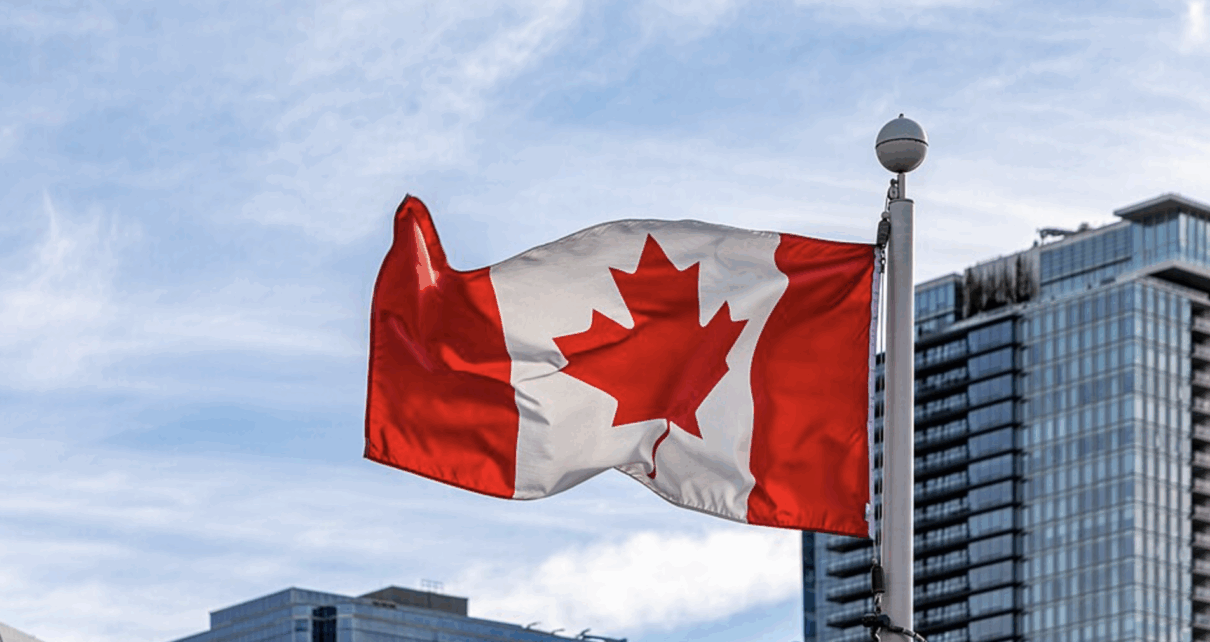
La souveraineté canadienne à l’épreuve du Passage du Nord-Ouest

Avec la fonte accélérée des glaces, le Passage du Nord-Ouest devient progressivement navigable, transformant une route longtemps marginale en un enjeu central du commerce et de la sécurité internationale. Cette évolution remet directement en cause le statut juridique de cette voie maritime et, par conséquent, la capacité du Canada à en contrôler l’accès. L’importance croissante Read More…

Cyber Security and Emerging Threats

Les algorithmes au pouvoir : comment l’IA redéfinit la guerre de l’information? 

Dans l’espace numérique, l’information circule à une vitesse inédite. Les réseaux sociaux permettent à chacun de diffuser des contenus en quelques secondes auprès d’un public mondial, favorisant les échanges d’idées à grande échelle. Pourtant, ils facilitent aussi la propagation de contenus trompeurs. Avec l’essor de l’intelligence artificielle (IA), cette réalité a franchi un nouveau cap Read More…

Isabelle Zhu Women in Security

Breaking Barriers from the Battlefield: Women Journalists Reporting From the Front Lines

Female journalists experience harmful stereotypes, increased susceptibility to violence, and additional barriers, especially when reporting in conflict zones. Journalism is a crucial mechanism that contributes to peace and security, and it is essential to support women in this space as they add differing perspectives in this traditionally male-dominated space.

Security, Trade and the Economy

The Value of our Strength: How Carney’s Davos Speech Exposes NATO’s Economic Security Gap

As NATO faces an era of unprecedented economic coercion between allies, can a military alliance built for tanks and treaties truly protect its members from tariffs and trade wars? In this article, Kaya Dupuis examines Canadian Prime Minister Mark Carney’s landmark speech at the World Economic Forum, arguing that Canada’s pivot toward “strategic autonomy”, leveraging energy, critical minerals and bilateral trade deals as defensive tools, exposes a fundamental gap in NATO’s mandate, one that leaves middle powers increasingly vulnerable to economic threats that Article 5 was never designed to address.

Indo-Pacific and NATO

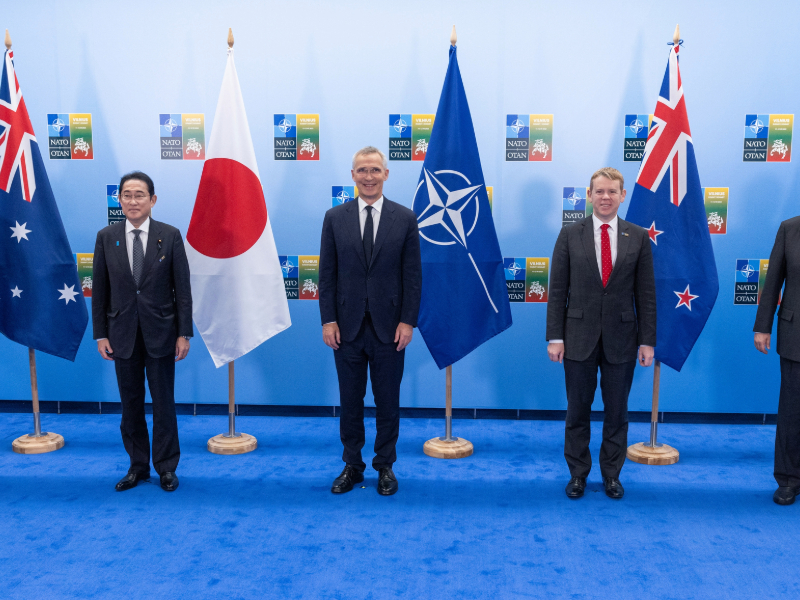
Avoiding Escalation Pitfalls: Australia and NATO 

What does the Australia-NATO partnership mean in the current moment of geopolitical flux? In this piece, junior research fellow Joel Sawyer examines the strategic histories driving Australia-NATO alignment, the potential hazards of deepening military cooperation, and how to move the relationship forward. 

Indo-Pacific and NATO

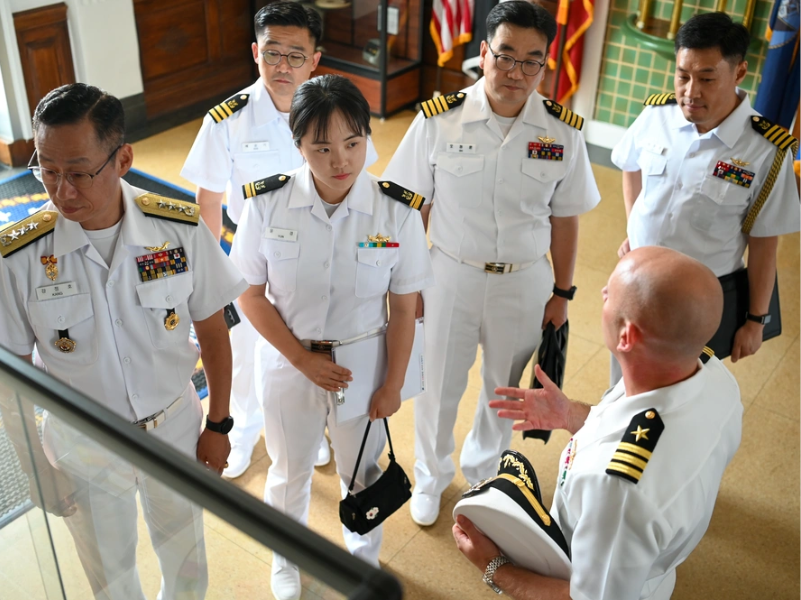
Not Just a Submarine: South Korea’s Bid and Canada’s Indo-Pacific Strategy 

As Ottawa weighs its next submarine fleet, the stakes extend far beyond procurement. Tasneem Gedi argues that South Korea’s KSS-III could help Canada restore its undersea capabilities, strengthen its Indo-Pacific posture, and lay the foundation for a deeper defence relationship with Seoul. In a more demanding world, that makes this a strategic decision with consequences well beyond the navy itself. 

Security, Trade and the Economy

The power of Atom, shared: Future of Canada’s extended nuclear deterrence within NATO. 

Recent shifts in US defence policy have cast doubt on the reliability of the American nuclear umbrella that Canada and NATO allies have relied on for decades. While European states explore alternative deterrence arrangements through possible nuclear sharing by France and the UK, Canada’s access to these options is limited by its geography. This article argues that Canada can address this vulnerability without compromising its non-proliferation commitments by deepening its role in NORAD. Canada’s strategic importance to North America’s Arctic defence gives Ottawa unique leverage – which it should actively use to reinforce its membership within the American extended nuclear deterrence in face of mounting global security challenges.

Previous Events

The NATO Association of Canada Annual Reception of Honour – Event Report

On March 30, 2026, the NATO Association of Canada (NAOC) hosted its annual Gala Reception of Honour to celebrate the seventy-seventh anniversary of the North Atlantic Alliance and recognize recipients of the St. Laurent Award. The event emphasized the importance of investing in Canada’s defence and security, as well as adopting a whole-of-society approach to strengthening Canada’s and NATO’s resilience. This report provides a detailed recap of the evening and expresses gratitude to those who made it possible.

NATO and Canada

To Be or Not to Be: Why the Acquisition of the F-35 is a Canadian Necessity

As Ottawa revisits its commitment to purchase 88 F-35A fighter jets, Jonah Moffatt argues that renewed hesitation signals strategic indecision and that a mixed fleet including the less advanced Saab JAS-39 Gripen would dilute Canadian airpower. If Canada seeks to lead within NATO and fulfil its middle-power ambitions, it is necessary to ground credibility in capability and avoid prioritizing political considerations over long-term security interests.

Energy Security

When Energy Becomes Leverage: What China’s Medog Dam Reveals About Infrastructure Power

Energy infrastructure is rarely just about energy. Pipelines shape geopolitics, power grids encode alliances, and ports built for trade can quickly acquire military relevance. China’s planned Medog Hydropower Station in Tibet (Xizang) is a striking illustration of this reality. At first glance, it is a colossal clean-energy project meant to advance decarbonization and domestic energy Read More…