The NAOC’s Cyber Security and Emerging Threats Program features an in-depth analysis of latest trends, developments, and threats in international security. New security concerns are always on the horizon and our program seeks to examine these domains including global warming, natural resources, drones, urban conflicts, and cyberspace.
The program’s mandate is to keep Canadians informed on these rapidly developing and increasingly pivotal realms that are integral to all aspects of security.
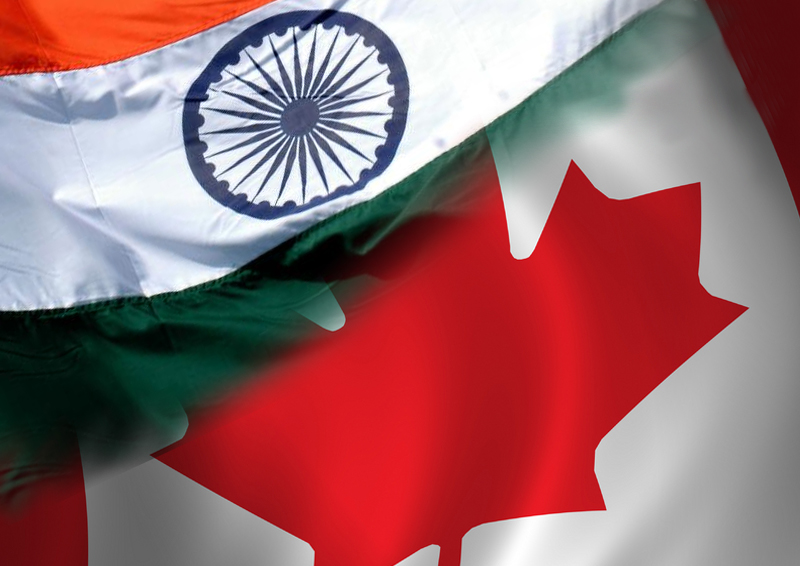
At first glance, India might raise some questions as to why it would have an interest in the Arctic, being located in South Asia and having nearly an entire ocean to itself. However, a deeper examination will reveal that India has very good reasons to pay attention to the Arctic: environmental and economic, both of Read More…
Aaron Willschick takes a look at NATO’s Connected Forces Initiative and the major difficulties that go along with building interoperability within an alliance of self-interested members.
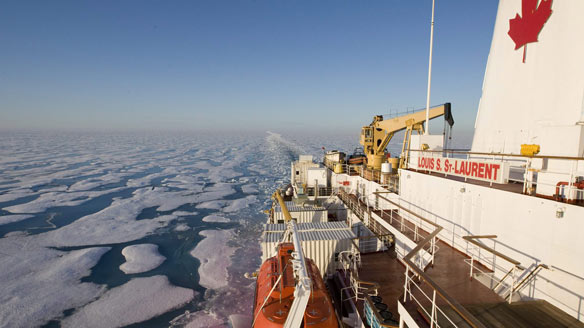
As Sweden cedes its two-year leadership of the Arctic Council this year, it will be Canada’s turn to lead the Arctic nations, starting in May. Already, speculation is growing about what priorities Canada will be setting under its tenure, with the foci drifting between the environment, drilling, shipping and mineral resource development. In the next Read More…
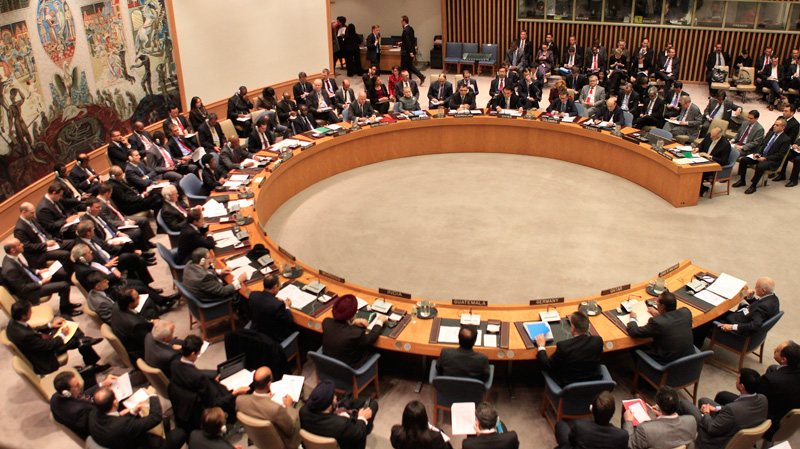
Gus Constantinou, the NATO Council’s UN commentator, discusses the Syrian refugee crisis, humanitarian aid and organizational inaction.
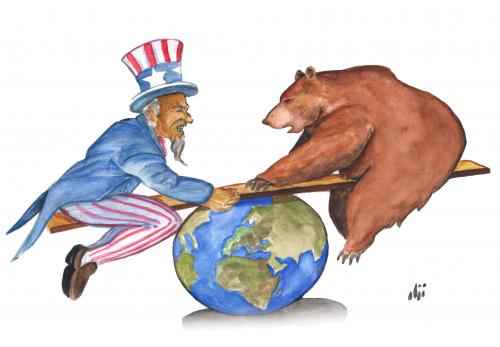
In taking account of some recent events and interactions between the two sides, Aaron Willschick examines the peculiarity and unpredictability of the NATO-Russia relationship.
Sarah Danruo Wang discusses Canada’s upcoming chairmanship of the Arctic Council and the major concerns that will pervade the Council’s agenda in 2013 The chairmanship of the Arctic Council will rotate to Canada in May 2013 for a two-year term. With participation from Canada, Denmark, Finland, Iceland, Norway, Russia, Sweden, and the United States, this Read More…
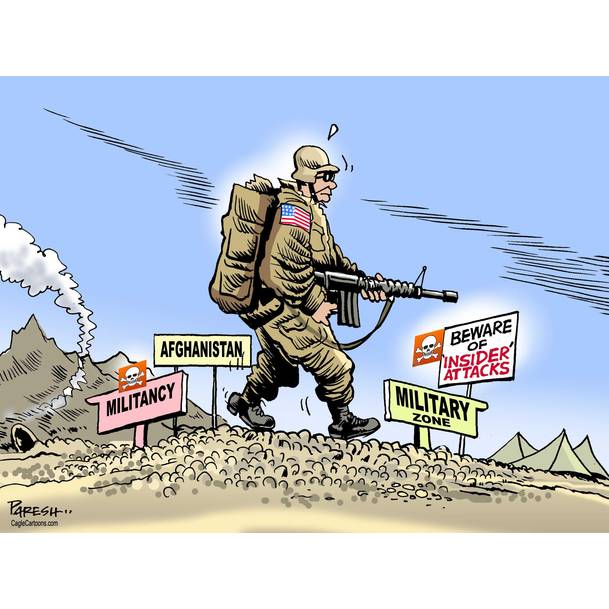
Aaron Willschick looks at the increase of ‘green on blue attacks’ as the latest evidence that NATO’s best before date in Afghanistan is well past due.
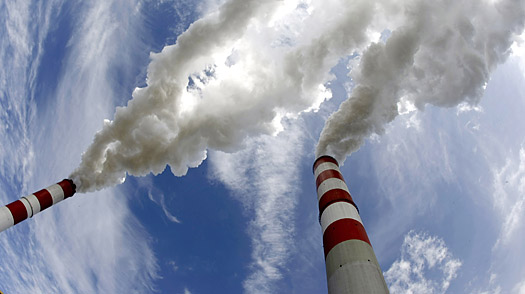
The need to confront climate change is no longer solely an academic debate. It is a policy priority. Climate change is one of the most devastating environmental problems of this century and has recently found its way into the center of political debate and discussion, even making its way onto President Barack Obama’s agenda as Read More…
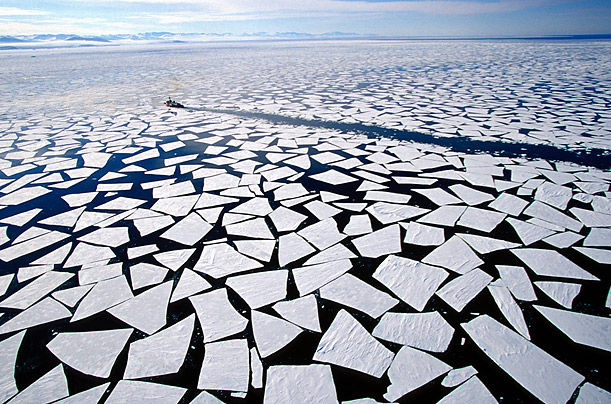
It is projected that over the course of this century, the average global temperature will rise between 1-4°C. The most noticeable effect of climate change is occurring in the Arctic, where warmer summers mean record lows for ice spread and in the foreseeable future, ice-free summers at the North Pole. Should the trend indeed persist, it will Read More…
Transitioning from its supreme role as the security guarantor of the world, Aaron Willschick discusses NATO’s participation in education and institutional reform in emerging countries with the Defence Education Enhancement Program (DEEP).