The 2025 NATO summit marked a pivotal shift in Euro-Atlantic defence planning. Among its most significant outcomes was the announcement of an increase in defence spending to 5% of GDP across member states, a move with wide-ranging implications not only for the security of Europe, but also for the increasingly contested Indo-Pacific. As European nations pledged to accept more of the financial burden for defending the continent from Russia, a complementary understanding emerged between the United States and its European partners. Europe will take the lead in countering Russian aggression on its own soil as Washington reorients its strategic and military focus toward deterring China in the Indo-Pacific.
Within the Trump administration, a strategic divide has emerged over how to prioritize U.S. military resources between Europe and the Indo-Pacific. On one side are hardline Asia-first advocates, epitomized by current US Under Secretary of Defence for Policy Elbridge Colby, who argues that every available asset must be redirected to counter China, even if doing so undermines European security and disrupts lucrative U.S arms exports to NATO allies. This camp favors an abrupt drawdown in support for Ukraine, a suspension of European-oriented defense production, and a wholesale pivot to weapons and force structures optimized for a maritime conflict with China.
Opposing these voices are strategists who favor preserving transatlantic defence-industrial relationships even as improved burden sharing is pursued. Their approach would allow the United States to continue supplying systems tailored to Europe such as tanks, artillery, and air-defense platforms, to NATO partners, while methodically retooling production lines and investing in naval, aerospace, and other capabilities required for the long-term China challenge. The recent U.S arms deal with European allies, coupled with NATO’s reaffirmed spending target, has signaled that this more measured camp currently holds sway, prioritizing a managed shift toward Asia without abruptly abandoning European security.
One tangible outcome of this shift is the agreement for the U.S. to sell advanced weapons systems to European partners, effectively “backfilling” European stockpiles depleted by support for Ukraine. This arrangement serves dual purposes: it enables Ukraine to meet urgent battlefield requirements and enhances the European pillar of NATO, while helping the U.S. military-industrial base scale up production of systems more suited for naval and air-centric warfare likely to characterize any future Indo-Pacific conflict. In this sense, current arms sales to Europe may serve as a bridge, reinforcing Ukraine’s defence in the interim as Europe scales up its own defence manufacturing base, while freeing up U.S. fiscal and industrial resources for investment in the Pacific theater.
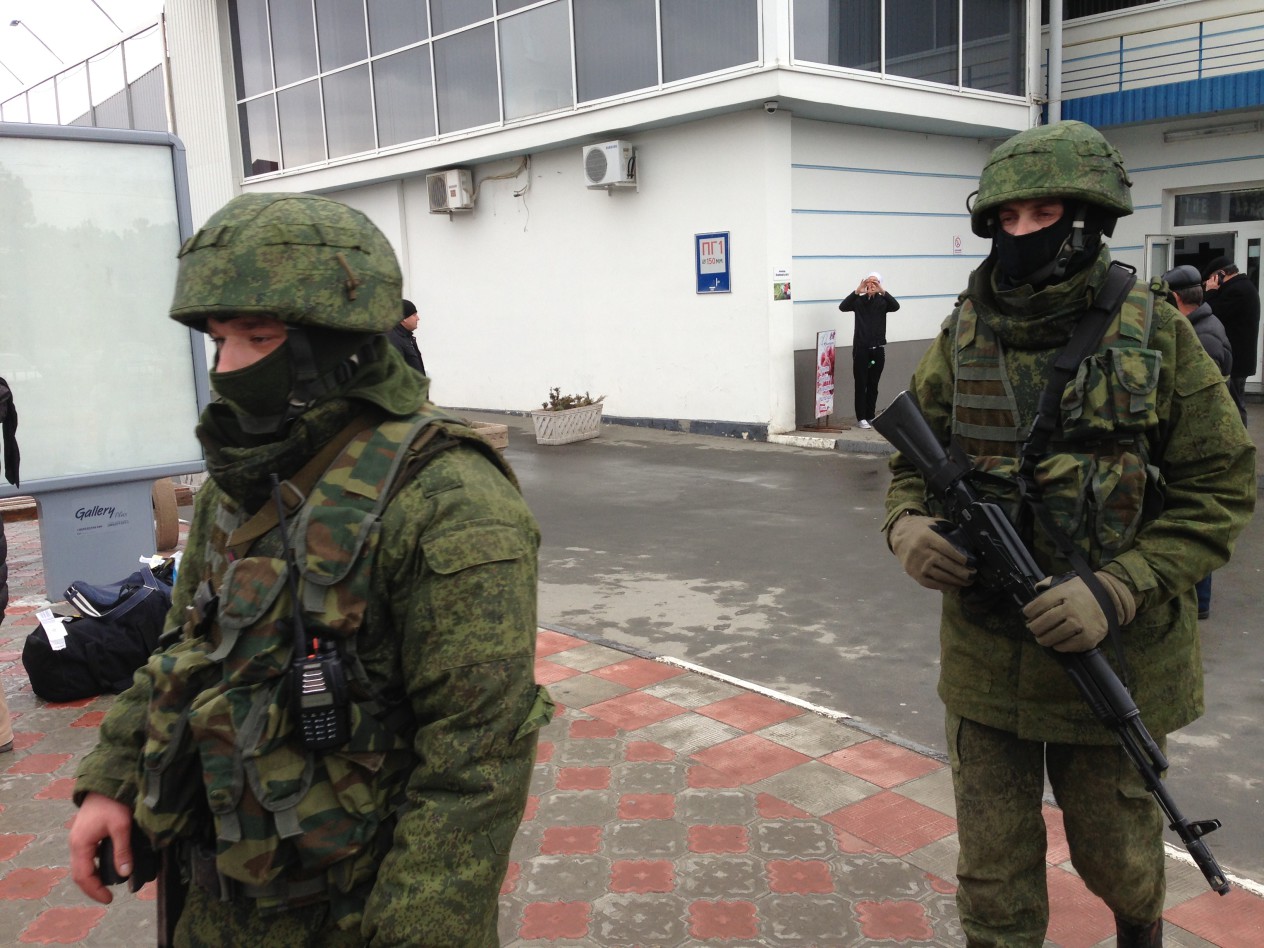
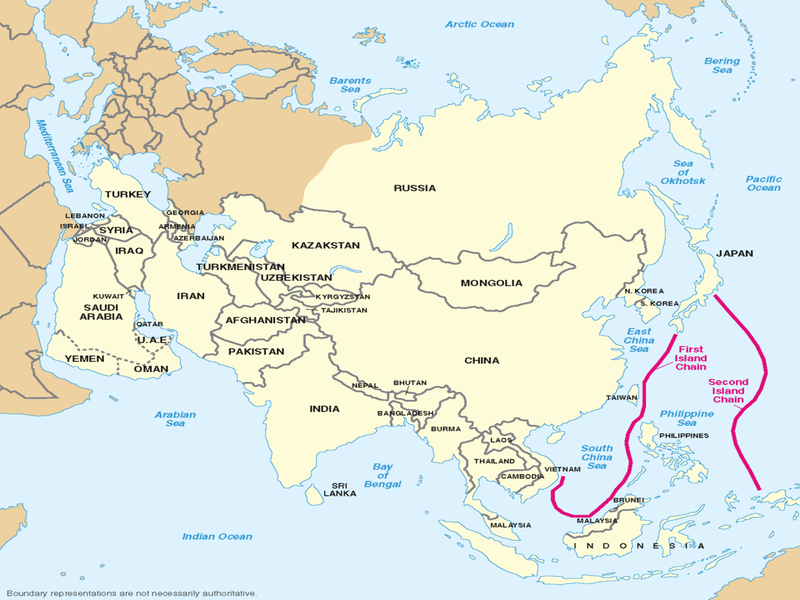
The distinction between the Russian and Chinese threats is essential to understanding this strategic evolution. Russia remains a land-based power, relying on its massive army and geographic proximity to exert influence over Europe. Its aggression is primarily territorial, seeking to redraw borders and reassert control over geographically contiguous neighbors. By contrast, China’s ambitions hinge on sea lanes, maritime boundaries, and control of critical islands, such as Taiwan and others in the South China Sea. Any potential conflict in the Indo-Pacific would likely center on naval engagements, air superiority, and long-range precision strikes, not the kind of mass infantry assaults and trench warfare seen in Ukraine.
This difference in threat environments means that the tools for deterrence and warfighting differ considerably between theatres. Systems optimized for Europe, such as tanks, short-range air defense systems, and artillery, are less applicable in a Pacific scenario dominated by aircraft carriers, submarines and warships. As a result, while Europe continues to procure U.S-made equipment to replenish stocks and sustain Ukraine’s resistance, the American defense industry is gradually shifting toward platforms better suited for Indo-Pacific contingencies. European purchases of U.S. systems thus serve a dual function: they strengthen Ukraine’s fight and provide economies of scale for U.S. firms preparing for a different kind of war.
In addition to improved procurement of hardware optimized for deterrence in the Indo-Pacific, the ongoing expansion and modernization of its military basing infrastructure across the region is also well positioned to benefit from increased fiscal resources. Over the past several years, the U.S. has accelerated efforts to upgrade existing bases in Guam, Japan, and South Korea, while also establishing new agreements with partners such as the Philippines to revitalize abandoned airfields. These improvements are aimed at dispersing forces to complicate Chinese targeting, and ensuring rapid response capabilities in the event of a regional crisis. The military infrastructure demanded for such a strategy, including hardened airfields, fuel storage, submarine facilities, contrasts heavily with those called for in Europe, where challenges centre around improving mobility for more ground-based assets operating in a more spatially limited theatre of operation.
It is a welcome relief that shifts in burden sharing between the United States and its NATO allies are increasingly additive rather than subtractive. Instead of a zero-sum tradeoff, where gains in one theatre come at the expense of another, this new trajectory allows both European and Indo-Pacific security to be strengthened in tandem. A sudden loss of U.S. capabilities or support to Ukraine or European NATO states would risk undermining stability in both regions, emboldening adversaries and fracturing allied cohesion. To avoid such outcomes, it is essential that European and Ukrainian arms purchases continue flowing through the U.S. defense industrial base. This not only ensures steady support for Ukraine and the European pillar of NATO, but also helps fund the scaling and modernization of production lines critical to U.S. readiness in the Indo-Pacific.
Ultimately, the NATO Summit of 2025 may be remembered not just for its immediate policy outcomes, but for laying the groundwork for a new era of allied coordination, one that recognizes the distinct, yet interconnected, threats of the 21st century.
Photo: Geographic Boundaries of the First and Second Island Chains, Department of Defense (DoD) retrieved via Wikicommons. As a work of the US federal government, this image is in the public domain.
Disclaimer: Any views or opinions expressed in articles are solely those of the authors and do not necessarily represent the views of the NATO Association of Canada.