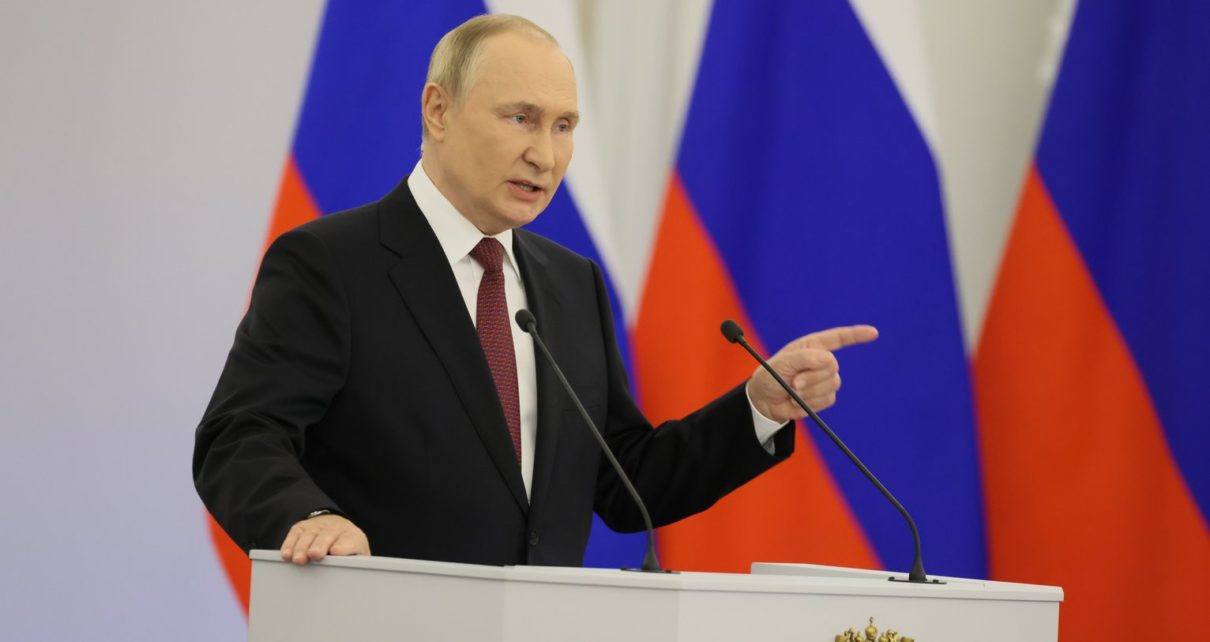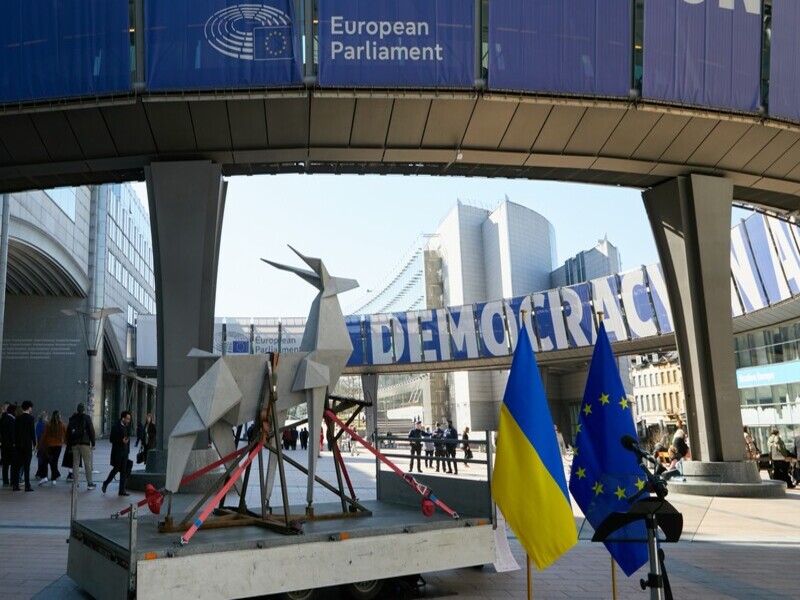
What happens when fake news looks almost identical to the real thing? This article highlights how Russia’s Doppelganger disinformation campaigns use cloned news websites to make disinformation appear credible and familiar. Focusing on the 2024 European Parliament elections as a case study, it shows how these campaigns exploit existing concerns such as immigration, economic insecurity, and support for Ukraine to amplify divisions within Europe. More broadly, it considers how these tactics could shape future elections, influence public debate, and make collective action across the European Union and NATO more difficult.
Tag: Ukraine
Testimony as Justice: Ukrainian Women Documenting the Unthinkable
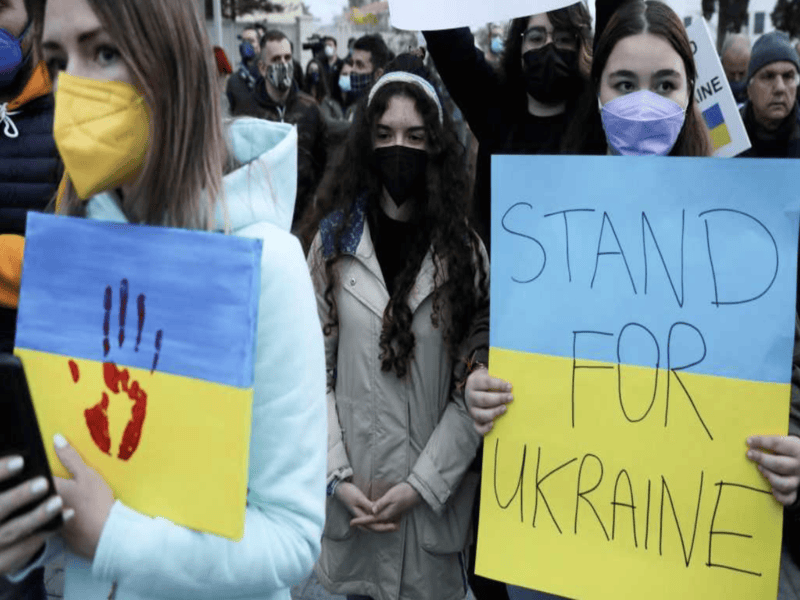
Ukrainian women-led organizations are building the evidentiary record for Russian wartime sexual violence, but are Canada and its NATO allies directing enough resources to the mechanisms that make accountability possible? In this article, Kaya Dupuis examines how organizations like La Strada-Ukraine and JurFem are documenting conflict-related sexual violence under active fire and what Canada’s commitments under NATO’s Women, Peace and Security agenda actually look like on the ground.
Ukraine’s Victory Paradox: Preventing Defeat Without Defining Victory
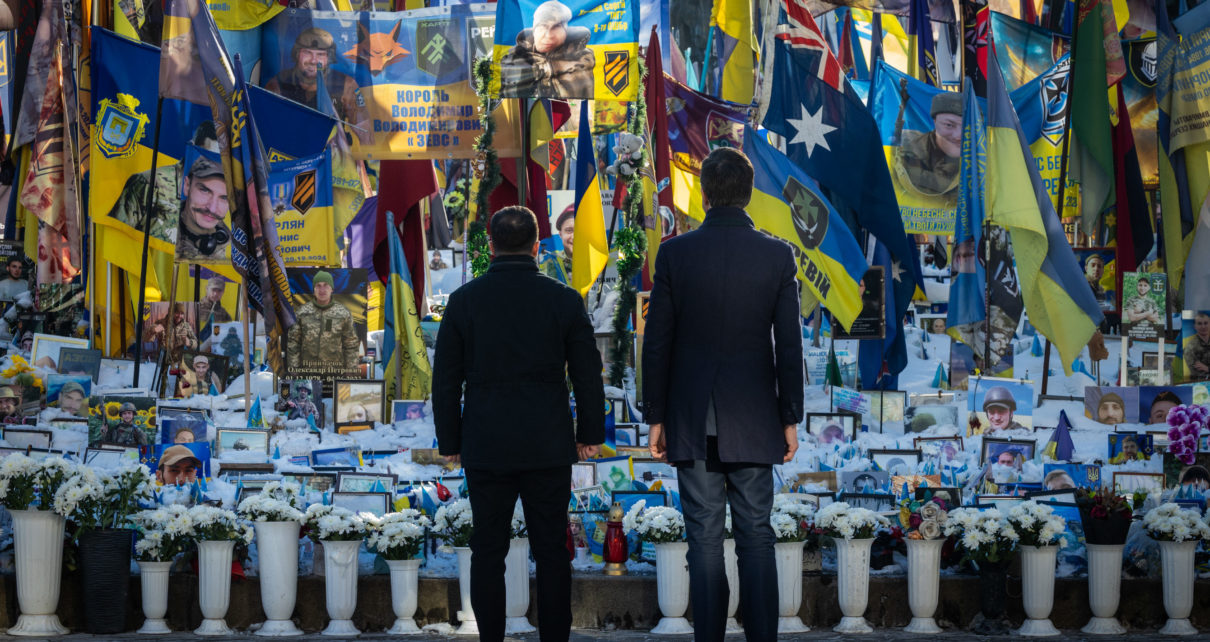
How will the war in Ukraine end? While NATO allies have been effective in preventing Ukraine’s defeat, defining a political end-state has proven much more complicated. In this piece, Jonah Moffatt examines the “victory paradox” between Moscow and Kyiv, and the implications of this stalemate on Canadian national interests. With peace talks on the back burner and shifting geopolitical priorities, the relationship between peace and victory becomes increasingly unclear.
Culture and Security at the Venice Biennale
Countries from around the world are invited to represent themselves through national pavilions at the Venice Biennale, an international cultural exhibition with a focus on art in Venice, Italy. In 2026, 100 nations participate in the festival. It provides a unique platform for cultural diplomacy, the projection of soft power, and for countries to showcase Read More…
From Trenches to Algorithms: Integrating Unmanned Ground Vehicles into NATO’s Cyber-Resilient Structure
How can NATO integrate Unmanned Ground Vehicles (UGVs) into the Cyber Defence Framework? In this article, Christopher Macartney highlights the developments and capabilities of UGVs during the Russia-Ukraine War and strengthening UGV network defences as a strategic asset for NATO in the future of warfare.
The Future of the Frontline: Embedding Gender in the Transition to Drone Warfare
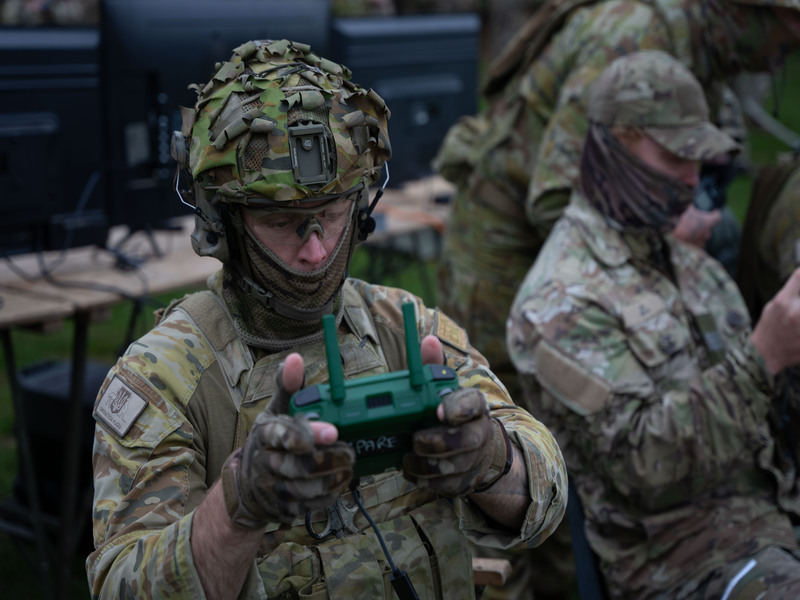
The transition toward drone warfare is transforming the frontline. Drawing on Ukraine’s experience, this article explores how remote warfare challenges conventional standards for combat effectiveness. These transformations create new opportunities and threats; the necessity for precision, composure, and critical thinking bolsters women’s greater capacity to perform as impressive drone operators. Alternatively, gendered stereotypes and psychological challenges persist. This article outlines pathways through which NATO can integrate gender perspectives into the deployment of uncrewed systems in order to optimize the integration of combat innovation.
Delegating Destruction: AI and the Ethics of Warfare
As artificial intelligence becomes embedded in modern warfare, it is reshaping how states conduct war and raising urgent questions of ethics and accountability regarding the potential absence of human judgment in lethal decisions. If machines can decide when force is used, who ultimately remains accountable for the decision to take a human life in war?
Event Report – Baltic and Ukrainian Youth on Security and Solidarity
On May 13, 2026, the NATO Association of Canada (NAOC), the Canadian Lithuanian Youth Association, and the Embassy of Lithuania to Canada co-hosted a panel discussion titled “Baltic and Ukrainian Youth on Security and Solidarity.” The event explored the role of youth in supporting Ukraine’s resistance against Russia’s full-scale invasion, countering Russian disinformation, and maintaining transatlantic solidarity with Ukraine. The discussion also examined what NATO countries can learn from Ukraine’s resilience, including lessons on informational resilience, civic mobilization, and rapid innovation in defence technologies. Read the full event report for a detailed overview of the discussion and key takeaways.
Nuclear Allegations and Rhetoric Continue to Undermine Global Peace
Hope Arpa re-evaluates the logic of nuclear deterrence in the context of nuclear programs allegation’s use to justify interventions. The article considers allegations of nuclear programs as motivators of preemptive strikes, discursive tools to justify intervention politically and socially, and the perception of enemy states as nuclear ambitious causing security dilemmas. The root cause of these conflicts is not necessarily framed as exclusively the nuclear weapons themselves, but the international system’s framing of them as the ultimate ‘self-defense’ tools.
NATO’s Defence Capabilities: Quality, Quantity, and Self-Sufficiency
With rapid technological innovation, it can be tempting to make technology the central focus of the defence industry by assuming that superior advancements alone could secure victory on a potential battlefield. A dangerous assumption in this current political climate is to assume that war is unlikely and that defence funds would be better allocated elsewhere. Read More…