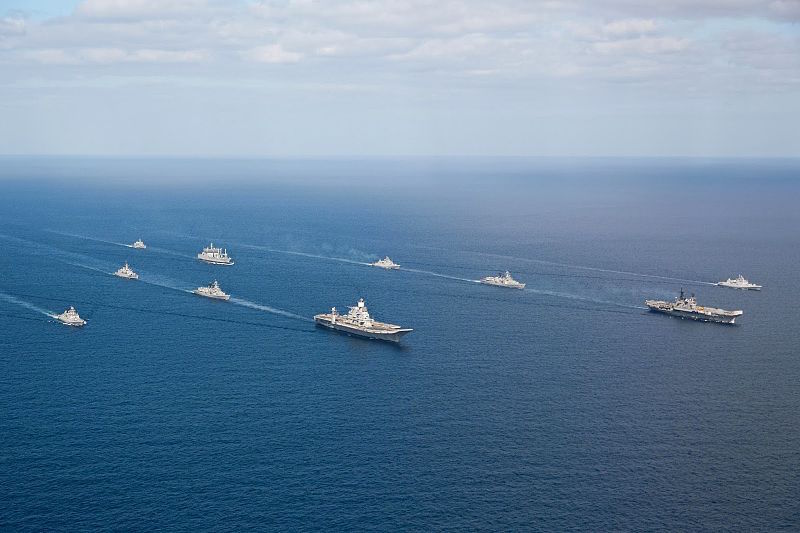
Terrorism is no longer at the top of NATO’s agenda. After decades of war supporting the United States in its fight against terror, the pendulum has swung back to Europe. The war in Ukraine carries very clear security implications for NATO’s European members, who are rightly concerned that the emboldenment of a victorious Russia will lead to expanded aggression. At the same time, China has become a strategic competitor with military capacities that cannot be overlooked. As the alliance seeks to defend Europe, navigate the shifting priorities of the United States, and position itself to the threat of China, terrorism has become a secondary concern.

Tag: Strategy
Canada at the Crossroads: Disinformation as a Domestic Security Challenge
Canada’s greatest security risk may not lie at its borders but in its news feeds. That might sound like a dramatic statement, yet the danger is not abstract. It lives in the information Canadians scroll past each day, in the stories they share, and in the narratives that seep in unnoticed. In a country that Read More…
The Instrumentalization of Disinformation in the US-Canada Trade War
The trade relationship between Canada and the United States of America (U.S.A) is one of the largest and most integrated in the world, with the combined value of imports and exports between both countries exceeding the $1 trillion mark for the third consecutive year in 2024. Additionally, Canada is the U.S.A.’s most significant export recipient, Read More…
Strategic Myopia: The Folly of Tariffing China to Halt Russian Aggression in Ukraine
In Strategic Myopia: The Folly of Tariffing China to Halt Russian Aggression in Ukraine, Daniel Lincoln argues that proposed secondary sanctions on China would backfire by hurting Western economies more than Beijing. Drawing on data and historical parallels, he contends that China’s vast domestic market, diversified trade networks, and resilience to sanctions make economic coercion ineffective. Instead, he maintains that NATO should focus on understanding Beijing’s strategic calculus and pursue policies that engage rather than alienate China.
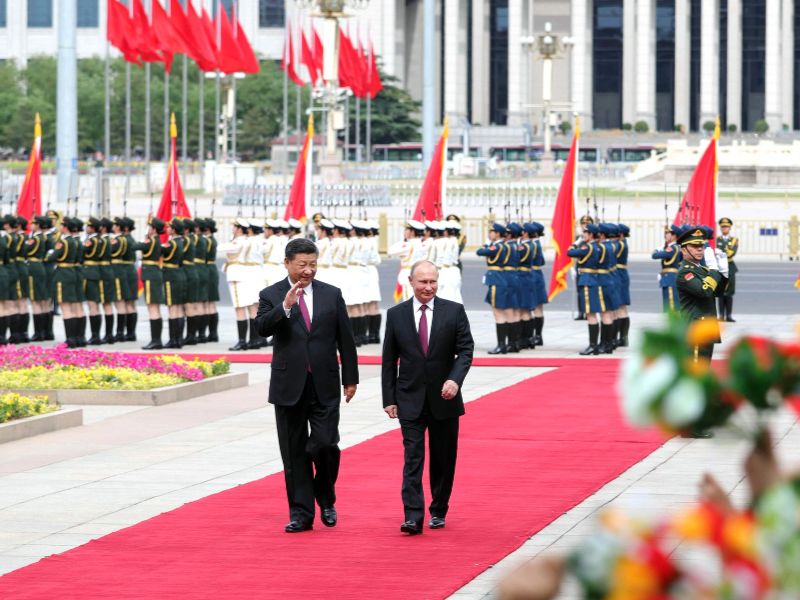
Belt and Road Initiative: Understanding China’s Foreign Policy Strategy
China’s Belt and Road Initiative (BRI) has been a contentious topic in international affairs since it was announced by President Xi Jinping in 2013. The mega-project aiming to connect Central Asia, Europe, and Africa via economic trade routes has received mixed responses from the international community for its lofty goals. Despite criticism about the plan’s Read More…
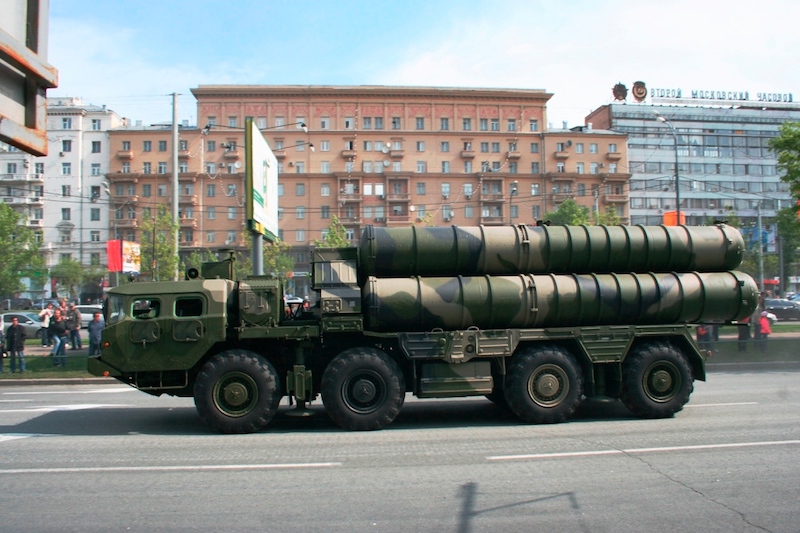
The CIS Plans to Strengthen its Joint-Air Defence System
Defence ministers of the CIS (Community of Independent States) recently agreed to strengthen the Joint Air Defence System (JADS). The system ensures the protection of its member states’ airspace but also provides the Kremlin with leverage over its neighbours.
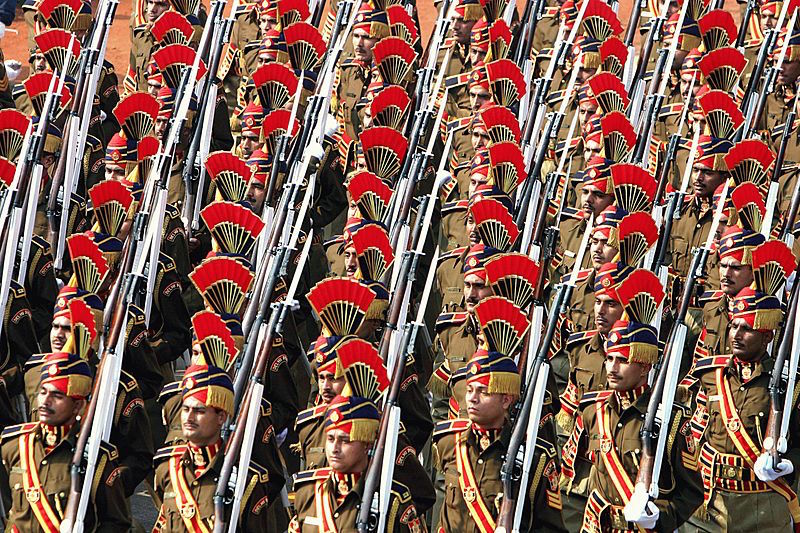
Should Canada and NATO allies build stronger ties with strategic partners in South Asia? Part II
NATO and India have the potential to establish a mutual beneficial military-diplomatic relationship creating security within Asia. A two part article explores the possibilities of an Indo-NATO partnership.
Should Canada and NATO allies build stronger ties with strategic partners in South Asia? Part I
NATO and India have the potential to establish a mutual beneficial military-diplomatic relationship creating security within Asia. A two part article explores the possibilities of an Indo-NATO partnership.
The Peace Treaty That Never Was: Russia, Japan, and the Kuril Islands
Will the dispute regarding the Kuril Islands ever be resolved between Russia and Japan? Léo-Paul Jacob explores.
Eastern Europe’s Other Conflict, Part 2: How can NATO Prepare for Conflict in Moldova?
In the second part of a two-part series on the Moldovan-Transnistrian conflict, Aidan Simardone considers how NATO could respond to a potential reemergence of conflict between Moldova and Transnistria.