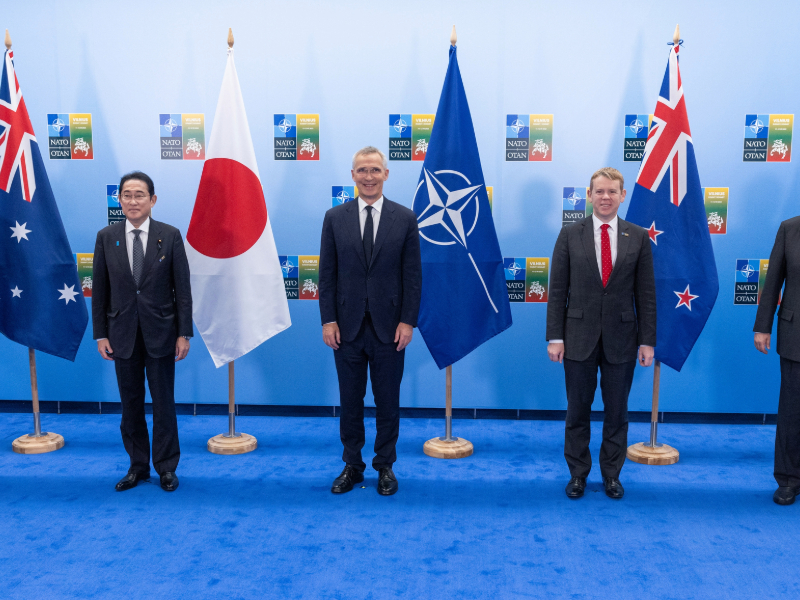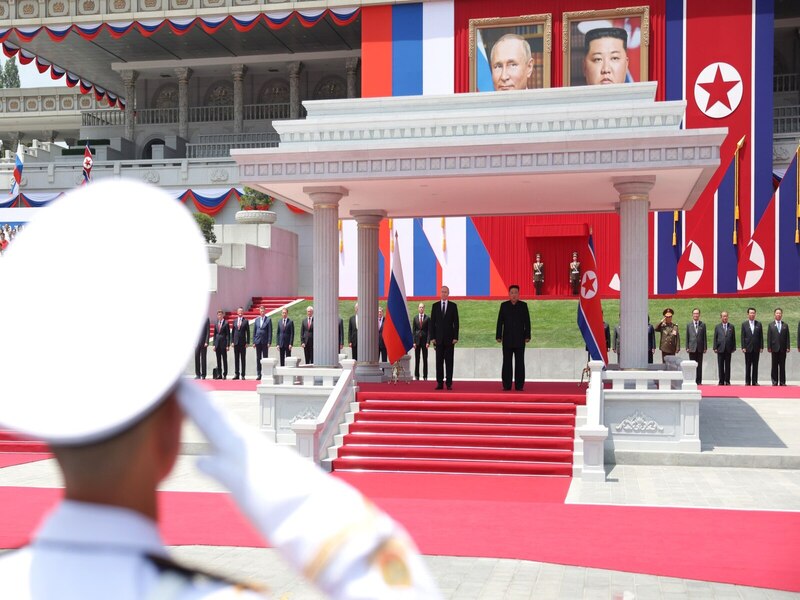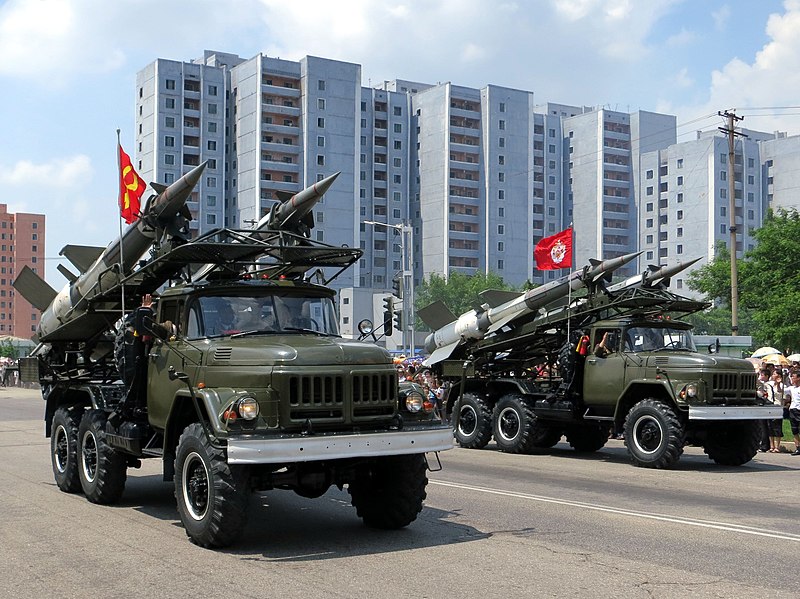
NATO’s relationship with its Indo-Pacific Four (IP4) partners, Australia, Japan, New Zealand and South Korea, now runs mainly through working-level defence industrial cooperation rather than summit diplomacy. This shift began under the joint framework agreed at the 2025 Hague Summit, but it operates as four separate bilateral tracks with no common defence industrial venue. The Read More…
Tag: South Korea
The Case For Tailored Cooperation Over Unified Strategy in NATO’s Indo-Pacific Partnerships
As the 2023-2026 cycle of Individually Tailored Partnership Programmes (ITPPs) between NATO and Australia, Japan and South Korea draws to a close, it is worth examining how the alliance is approaching the varying interests of its Indo-Pacific partners. NATO formed ITPPs with Indo-Pacific 4 (IP4) partners Australia, South Korea and Japan in 2023, and New Read More…
Should South Korea Intervene Militarily in the Strait of Hormuz?
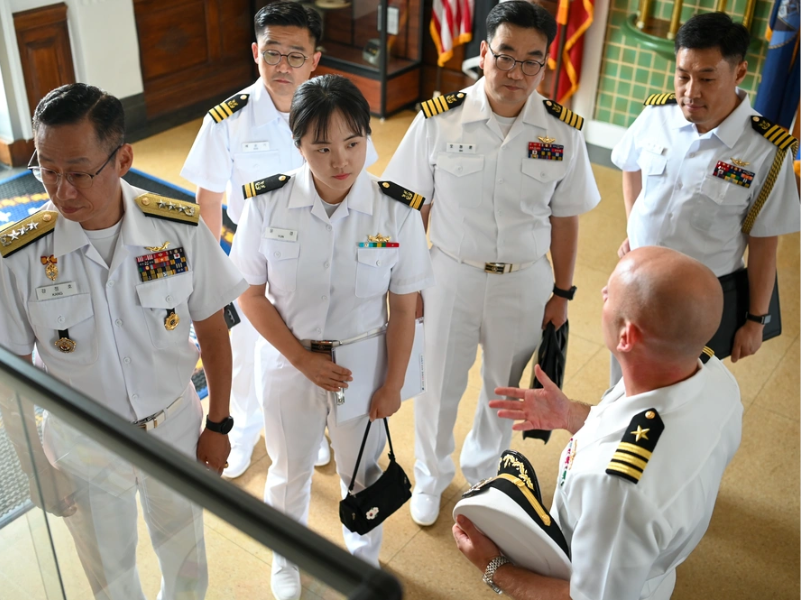
Relations between the Republic of Korea and NATO began in 2005 and have since evolved from a purely diplomatic partnership into closer strategic and military cooperation. Due to the recent escalation in the Middle East and the escalating war in Iran, the government of South Korea is evaluating its potential contributions to regional stability. A key question facing the South Korean government is whether to support Read More…
Truly Transatlantic: German-Norwegian Submarines for a European-Oriented Canada
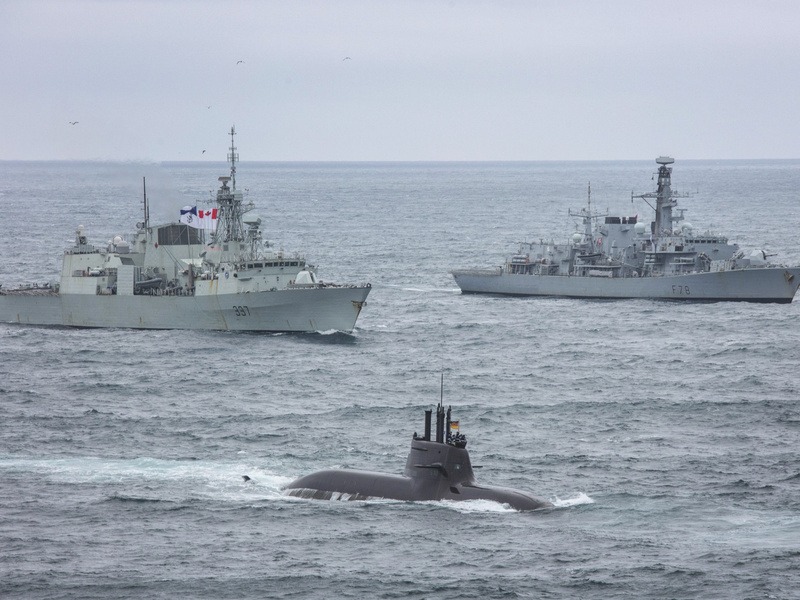
Like much else in the Canadian Armed Forces, the Royal Canadian Navy’s submarine fleet is rapidly aging out. The RCN’s second-hand Victoria-class diesel-electric submarines, built for the Royal Navy in the 1980s, will reach the end of their service life in the 2030s. The four Victoria-class submarines are already showing signs of their age, having become Read More…
Not Just a Submarine: South Korea’s Bid and Canada’s Indo-Pacific Strategy
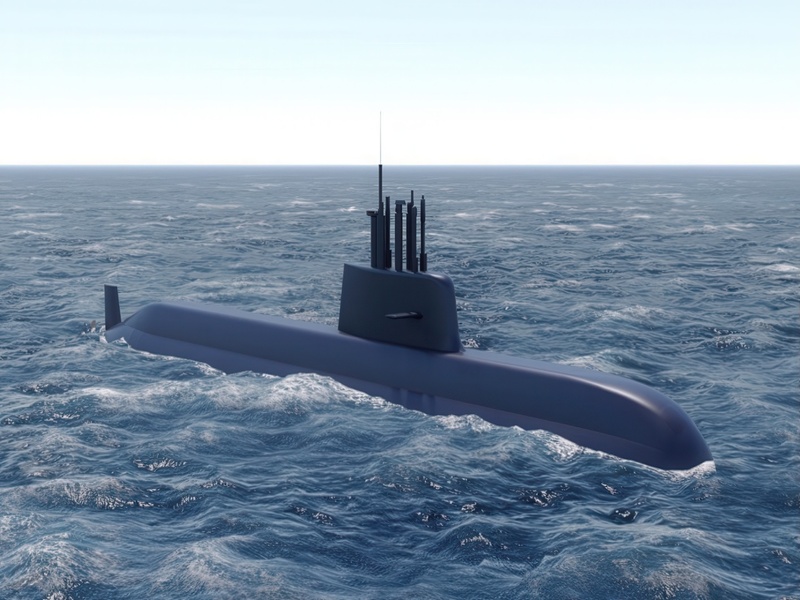
As Ottawa weighs its next submarine fleet, the stakes extend far beyond procurement. Tasneem Gedi argues that South Korea’s KSS-III could help Canada restore its undersea capabilities, strengthen its Indo-Pacific posture, and lay the foundation for a deeper defence relationship with Seoul. In a more demanding world, that makes this a strategic decision with consequences well beyond the navy itself.
North Korea and Russia: A Growing Military Alliance with Global Implications
As Russia and North Korea deepen their military alliance, the threat spans from Kyiv to the Korean Peninsula. To meet this global challenge, NATO and South Korea must strengthen defence ties and industrial cooperation.
The Centre Holds: What NATO Can Learn from South Korea’s Democratic Crisis
Last December, in a bizarre move, the former president of South Korea Yoon Suk Yeol declared martial law. Speculation abounded as to why he did so. The BBC reported, after interviewing members of his inner circle, that Yoon Suk Yeol was driven by an urge to win, and viewed the South Korean opposition leader, Lee Read More…
Drones of Influence: Information Warfare & Border Security on the Korean Peninsula
On October 11, 2024, North Korea accused South Korea of flying drones into its capital, claiming that the drones were used to spread South Korean propaganda across Pyongyang. On October 19, the KCNA state agency reported, “In light of the drone’s shape, the presumptive period of flight, the leaflet-scattering box fixed to the underpart of Read More…
Special Report: Unveiling Western Business Implications in the Russian Defence Industry’s Supply Chains
Significant attention has been drawn to the adaptability of Russia’s defence industry and how it has diversified its supply chains, circumvented sanctions, and bolstered its ability to conduct its war of aggression on Ukraine. While scrutiny has been directed towards adversaries, such as Iran and North Korea, and intermediaries (e.g., China), including Western allies and Read More…
Special Report: Should South Korea Get Nukes? The Rise of Nuclear Popularity and the Quest for Strategic Stability on the Korean Peninsula
Abstract: Given North Korea’s recent advancement in its nuclear weapons development program, should South Korea finally acquire the nuclear bomb? In this article, Program Editor Mark Davis Madarang Pablo analyzes the prospects of Seoul becoming a nuclear-armed state and provides policy options for the United States and the broader NATO Plus Alliance to assist in Read More…