Indo-Pacific and NATO

What the Iran War Means for China’s Taiwan Calculus

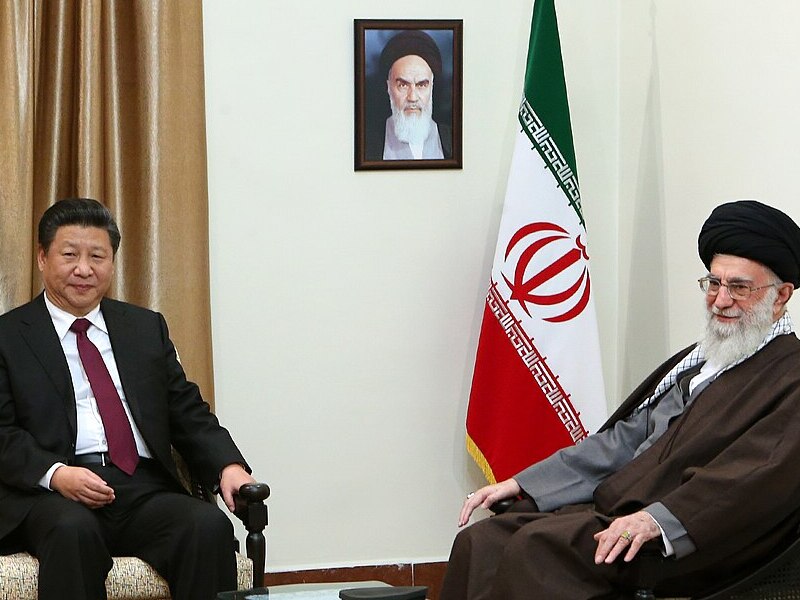
How is the Iran war reshaping China’s strategic calculations toward Taiwan? Nguyen Bao Han Tran examines how the conflict is reinforcing two competing lessons for Beijing: weaker actors can impose serious costs through asymmetric drone warfare, while prolonged U.S. military engagement elsewhere may strain allied deterrence in the Indo-Pacific. As Middle Eastern and Asian security dynamics become increasingly interconnected, this article argues that China may become more cautious about full-scale invasion while finding blockade, gray-zone coercion, and other strategies below the threshold of war increasingly attractive.

Cyber Security and Emerging Threats

Changing the Currents of Conflict: Oil, Water, and the Flows Reshaping the Middle East

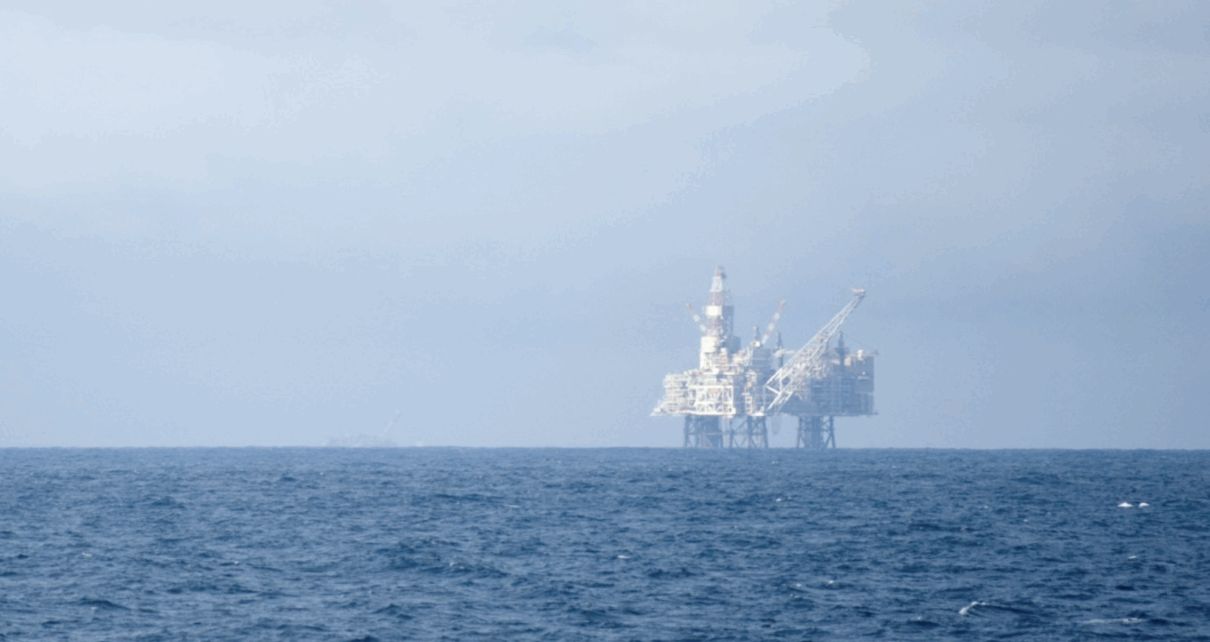
Conflict follows the currents of scarcity, and NATO must navigate a world where the most dangerous battles are fought over what no longer flows freely. These behaviours signal a shift in how conflict will unfold: not only through conventional force, but through the manipulation, withholding, and weaponization of essential resources. This article explores three plausible scenarios – oil dominance, water ascendancy, and a dual‑pressure world – to map how resource hoarding could shape the next generation of conflict in the Middle East and beyond, and what this means for NATO’s strategic posture in the decades ahead.

Security, Trade and the Economy Uncategorized

Canada’s Dual Exposure to the Strait of Hormuz

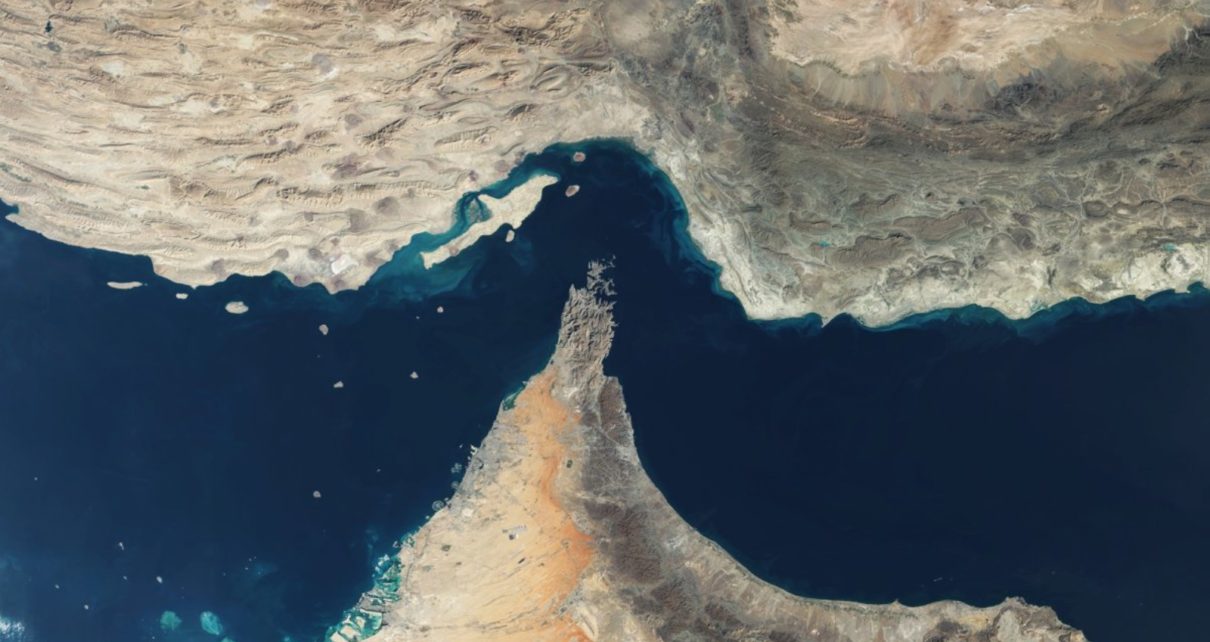
The Strait of Hormuz is barely 30 miles wide at its narrowest point, yet it is arguably one of the most consequential stretches of water on earth. Through this narrow corridor connecting the Persian Gulf to the Gulf of Oman flows approximately 20 million barrels of oil per day (b/d); roughly 20% of global petroleum Read More…

Society, Culture, and Security

NATO Summit 2025: Canada’s Leadership, Leverage, and Alliance Future

In the weeks leading up to the NATO Summit in The Hague taking place from June  24th–25th, Canada has found itself at the centre of multiple international conversations. Coming off the heels of the G7 summit in Kananaskis, where Prime Minister Mark Carney pledged an extra $2 billion in aid to Ukraine and promised to hit NATO’s 2% defence spending benchmark by Read More…

Alexander Martin Cyber Security and Emerging Threats

AI-Powered Mis/Disinformation War

In today’s digital age, mis-and disinformation has become pervasive, fueled by advancements in AI and deep-fake technology, while the centralized nature of social media platforms accelerates its spread, amplifying false narratives to vast audiences with unprecedented speed. NATO recognized this growing threat to democracy during the Washington Summit last summer, emphasizing its critical impact in Read More…

Jake Rooke Security, Trade and the Economy

Bridging Shortfalls: An Analysis of the Strategic Exchange between Russia and Iran    

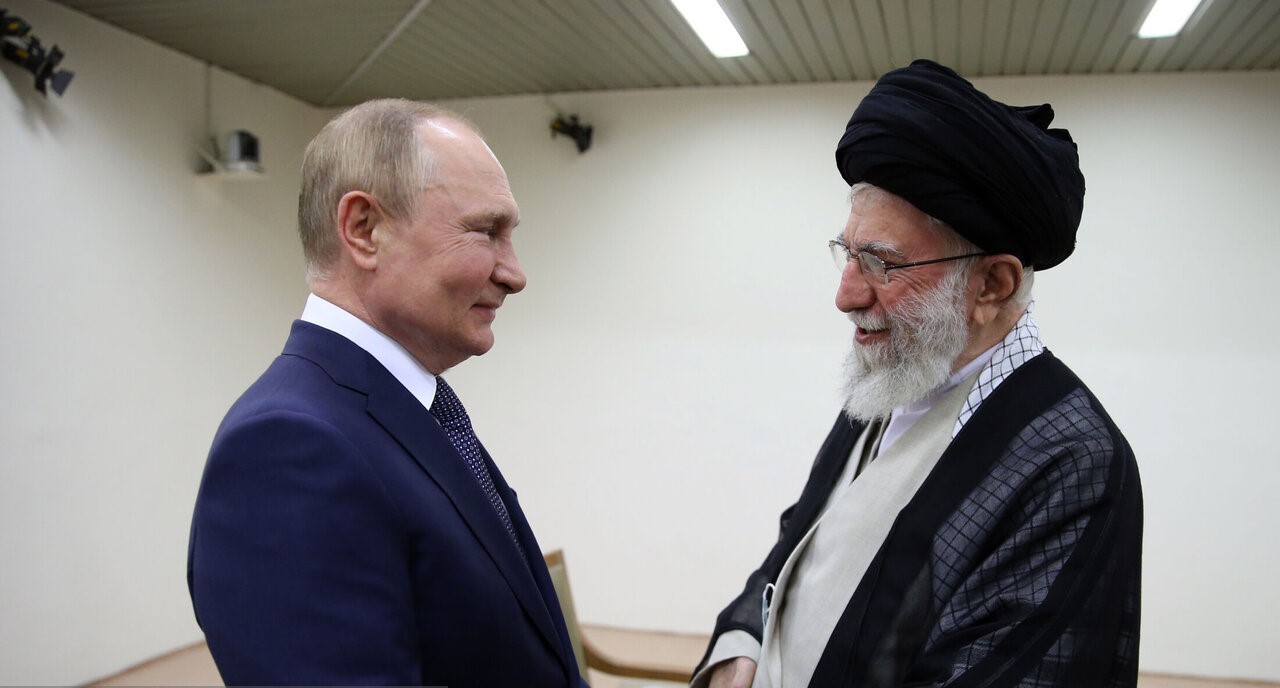
Amidst the tumult of conflict in Ukraine and instability in the Middle East, the partnership between Russia and Iran is at a historic juncture and is ripe for potential multifaceted cooperation. With Western sanctions, defence production and supply vulnerabilities persist for both these states, which seek to advance their respective interests and authoritarian model of Read More…

Arash Toupchinejad Society, Culture, and Security

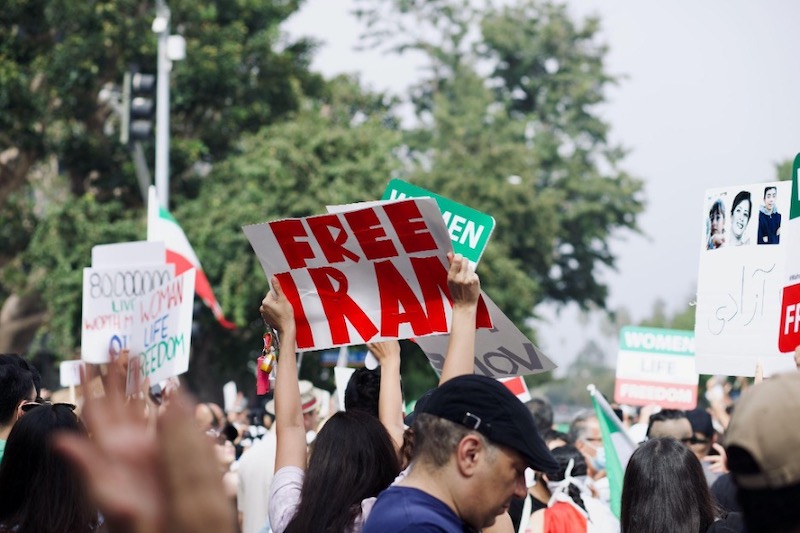
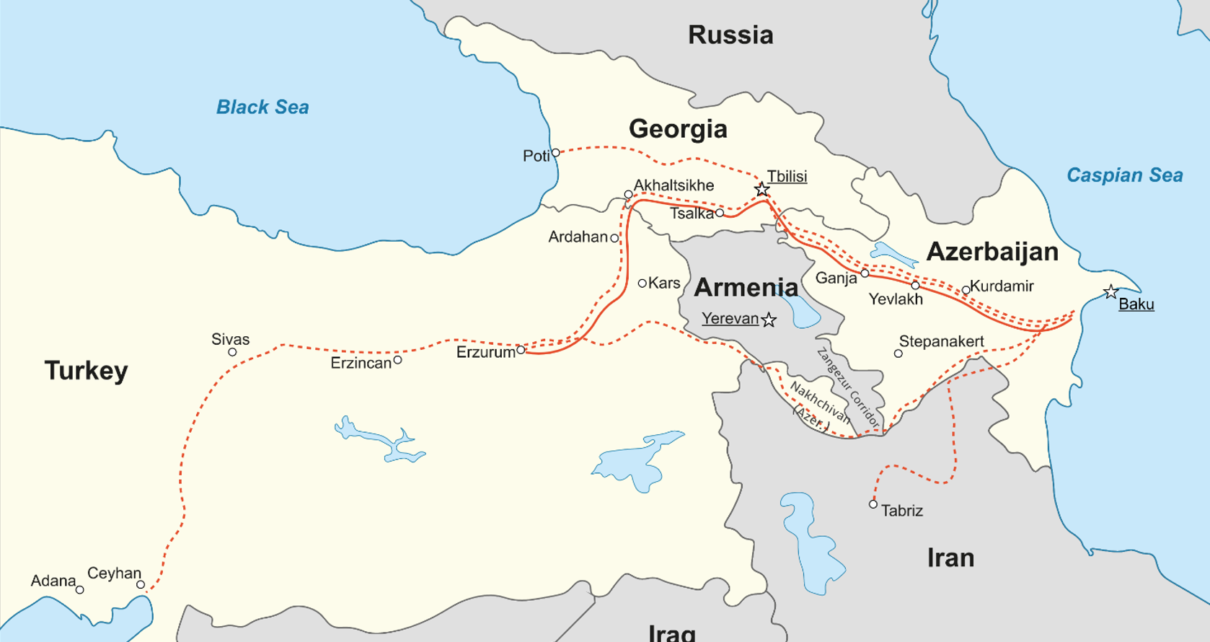
Trouble in the Caucasus – The Roots of Iran’s Tensions with Azerbaijan

One year after the Nagorno-Karabakh war, regional security in the South Caucasus is once again at risk. This time, Iran and Azerbaijan are at odds as the countries exchange words and flex their military might in drills across their shared border. In this article, Arash Toupchinejad highlights the root causes of the increasingly sociopolitical dispute and how it could have significant implications for NATO.

Energy Security

Euro-Caspian Energy Security and Geoeconomics

This edited transcript of a 40-minute podcast interview (1 November 2020) covers the Caspian Sea’s legal regime, national interests of its littoral states, Turkey’s role in Euro-Caspian energy security, American and Chinese interests in the region, and why the Caspian Sea’s significance will increase still more in future.