Alors que l’OTAN concentre son attention sur les fronts oriental et indo-pacifique, le Canada a l’occasion de redéfinir son rôle sur un flanc sud souvent négligé. Cet article soutient qu’Ottawa peut renforcer la résilience nord-africaine par l’innovation plutôt que par l’intervention, en mobilisant DIANA Halifax et en renforçant les capacités pour des projets pilotes de lutte anti-drones et de surveillance maritime en Tunisie et en Mauritanie.
Tag: Canadian foreign policy
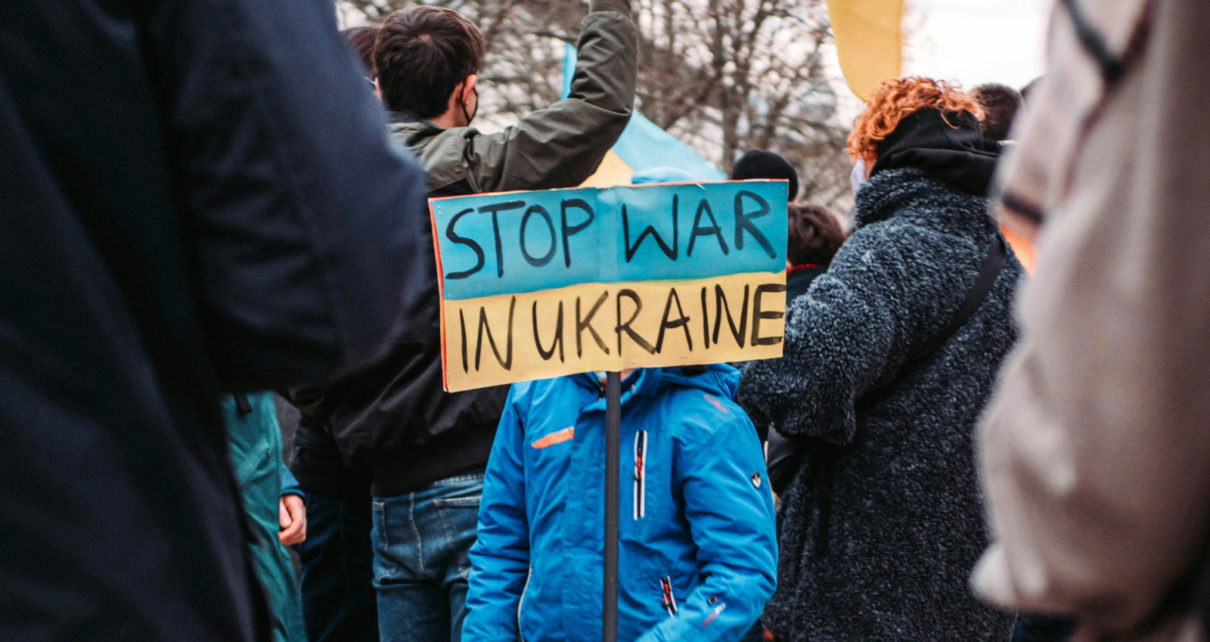
Why is there no peace agreement in Ukraine? Implications for Canada
Why is there no prospect for peace in Ukraine, despite the war now closing in to its fourth year? Moscow and Kyiv simply do not have common ground on which to build an agreement. This is unlikely to change so long as the current quasi-stalemate continue and Russia believes it can achieve its aims.
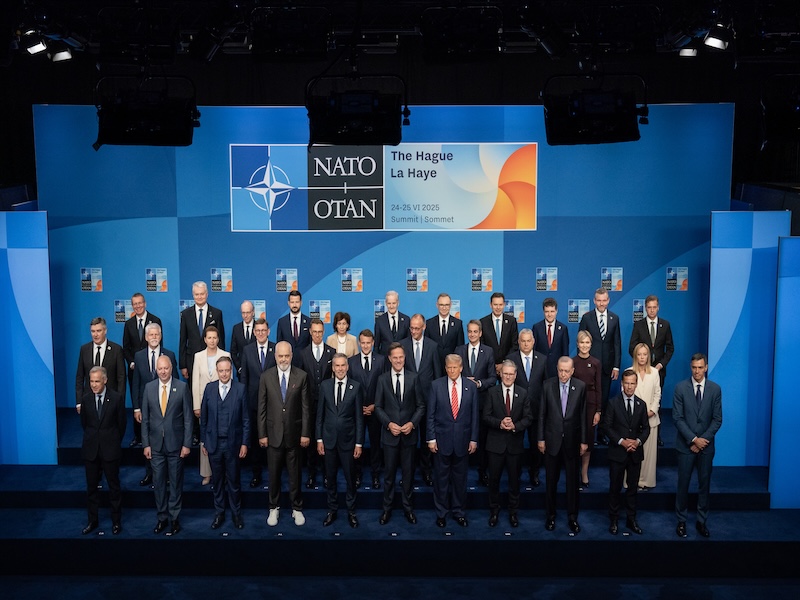
Canada’s Stance on NATO Enlargement
Introduction Since its inception in 1949, NATO has grown from 12 to 32 members, a process formally known as enlargement. In accordance with Article 10 of the North Atlantic Treaty, membership is open to all European countries so long as they commit to NATO’s principles and meet the Alliance’s requirement for defence spending, along with Read More…
From “Free Rider” to Frontline Partner: Canada’s Road to NATO 2% and Beyond
In January, U.S. President Donald Trump urged NATO members to lift defence spending from the long-standing 2 per cent goal to 5 per cent of GDP. This was met with sharp criticism in Europe, and NATO officials dismissed the idea as unrealistic. No ally, including the United States, spends anywhere near 5 per cent; only Read More…
Canada’s Conundrum: Peace and Profits
Abstract: NATO’s recent discussion of arms control brings to light Canada’s role in the issue. Last year, NATO and the UN took part in the Eighth Biennial Meeting of State Parties to discuss how to combat the illicit sale of arms. During the meeting, the Deputy Director of Arms Control Directorate at the Political Affairs and Security Read More…
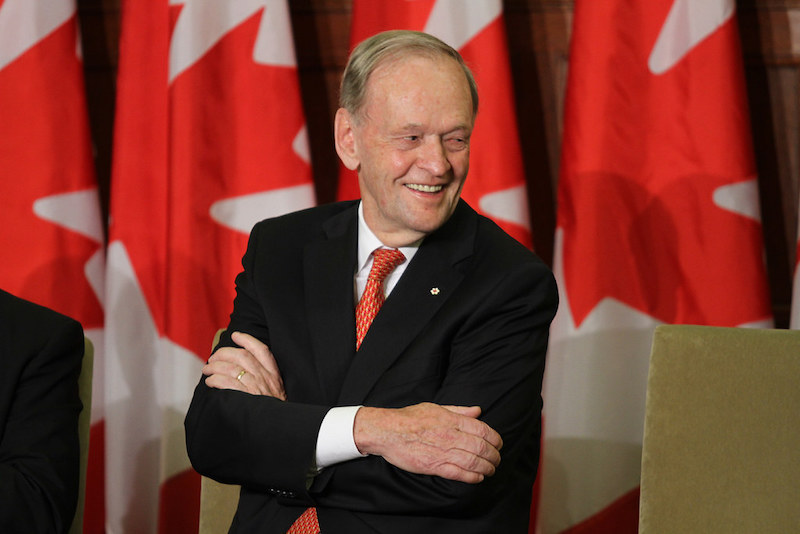
A Decade of Engagement: Jean Chrétien and NATO
Significant international events—the breakup of Yugoslavia, NATO enlargement, the invasions of Afghanistan and Iraq, to name a few—occurred during Jean Chrétien’s decade as prime minister. This retrospective examines Chrétien’s foreign policy with a specific emphasis on his government’s engagement with NATO.
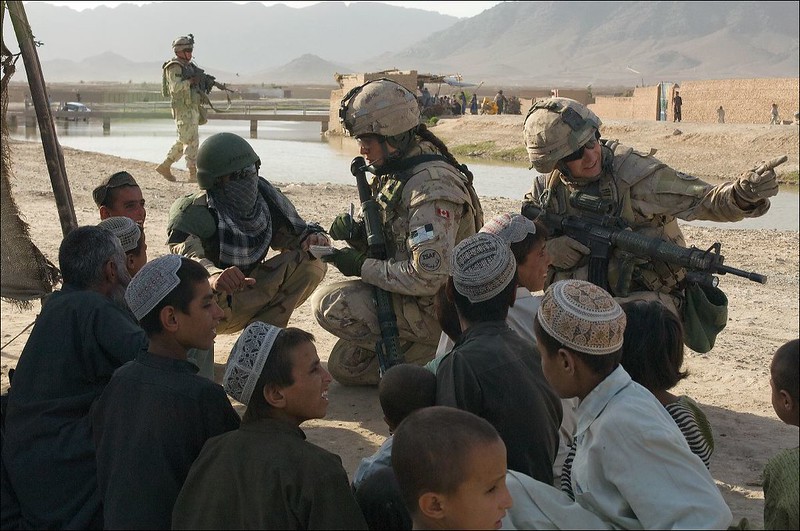
Language Lessons: Fate of Afghan Interpreters Exposes Gaps in Canadian Armed Forces Training and Recruitment
During operations in Afghanistan, mustering enough qualified linguists proved a constant challenge for the Canadian Armed Forces (CAF). These difficulties point to larger problems with how the CAF—and Canada—approach strategic languages.
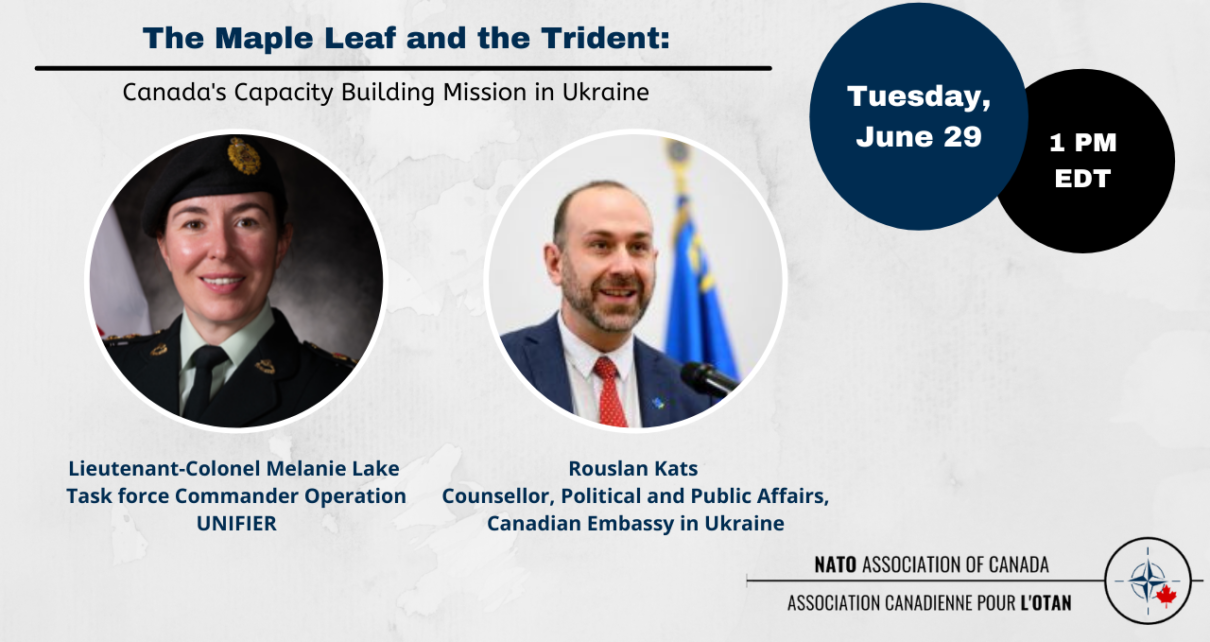
The Maple Leaf and the Trident: Canadian Capacity Building in Ukraine
On June 29, 2021 the NATO Association of Canada hosted a panel discussion with Lieutenant-Colonel Melanie Lake, Task force Commander of Operation UNIFIER and Mr. Rouslan Kats, Counsellor for Political and Public Affairs at the Embassy of Canada in Ukraine. Our esteemed guests discussed the ways in which their work helps to build capacity in Read More…
Defending Canada and Canadian Values: An Analysis of Military Expenditures in Budget 2021
What are the takeaways for Canada’s security in Budget 2021? In this article, Eric Jackson explores the implications of the new federal budget on military spending and Canadian operations abroad.
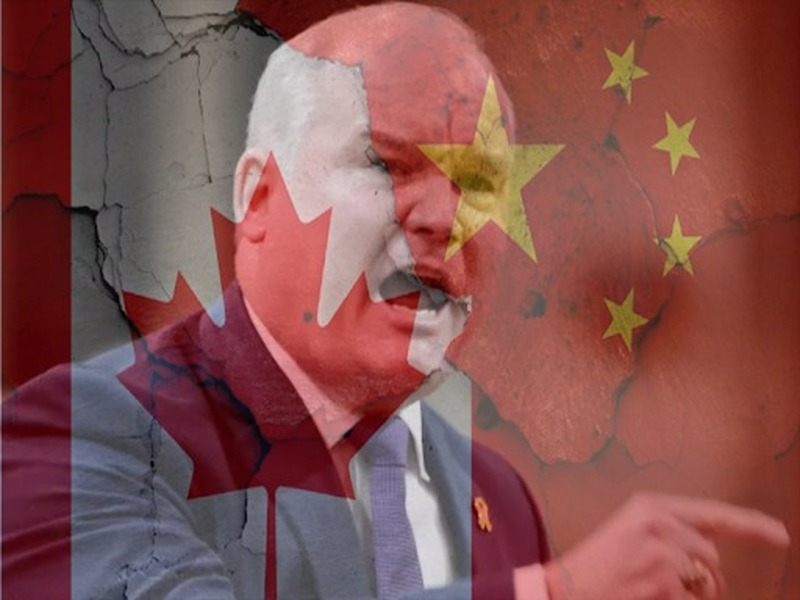
Dragon Slayer: The Partial Foreign Policy of Erin O’Toole’s Conservative Party
Upon Erin O’Toole’s election to lead Canada’s Conservatives, Arjun Singh examines the party’s foreign policy platform.