In this article, Baichao Chen explores Canada’s opportunity to expand its position in Asia via the export of energy.
Articles
Canada’s Bootprint: An Effort to Mitigate Its Carbon Footprint
Canada has increasingly recognized that climate change is not only an environmental issue but also a growing national and international security challenge. As a founding member of NATO, Canada has aligned its defence policies with the Alliance’s climate objectives by integrating climate considerations into military planning, resilience, and emissions reduction. NATO has committed to reducing Read More…
Transnational Repression on Canadian Campuses: An Emerging Disinformation Threat
Transnational repression on Canadian campuses is an emerging threat distorting information environments and exposing NATO vulnerabilities. Using a two‑tier framework, Ji Young Kim shows how foreign coercion silences dissent and can lead institutions to reinforce false consensus.
LeadInSecurity: How NATO’s New Accelerator Can Deliver on Its WPS Commitments
NATO has just launched LeadInSecurity, its first Alliance-wide leadership accelerator for women in defence and security. In this article, Tessa McDermid explores how the program offers NATO an opportunity to close the sector’s gender gap and uphold its Women, Peace and Security (WPS) commitments. Since LeadInSecurity has no internal track record to draw on, she looks to comparable programs to argue that its long-term success depends on outcome tracking, integration into NATO’s existing accountability frameworks, setting numeric targets, and running as a recurring, multi-year initiative rather than a standalone initiative.
From Climate Law to Defence Policy: What the International Court of Justice Opinion Could Mean for NATO
Climate change is increasingly reshaping the way governments think about national security. Flooding, wildfires, and extreme weather can damage military installations, disrupt supply chains, and strain emergency response systems, creating vulnerabilities that governments increasingly view as national security concerns. At the same time, melting Arctic ice is opening new shipping routes and intensifying geopolitical competition Read More…
Le Japon, partenaire clé de l’OTAN dans l’Indo-Pacifique
Un engagement inattendu dans un conflit globaliséÀ première vue, le Japon semble bien loin de la guerre en Ukraine. Séparé du front par plus de 8 000 kilomètres, le pays n’est ni membre de l’OTAN ni directement concerné par la sécurité européenne. Pourtant, en mai dernier, Tokyo a envoyé du personnel militaire au sein de Read More…
A Strategic Turning Point? NATO’s Landmark Visit to India and the Future of the Relationship
NATO’s recent parliamentary visit to India signals growing interest in deeper ties with a rising Indo-Pacific power. Anastasia Crook examines the opportunities and challenges shaping the NATO-India relationship, and how to build a practical, interest-based partnership without pressing India to pick a side.
2026 Virtual Policy Hackathon Report: Calibrating Canada’s Defence Posture With Comparable NATO Allies
Although Canada achieved its 2% NATO target, it still struggles to turn that spending into modern, ready, and deployable military capability. With the new 5% pledge, Canada must rethink how it budgets and delivers defence investments to generate usable and efficient military power.
The Mission Beyond the Meeting: Actualizing Conversations at the Ankara Summit
The 2026 NATO Summit in Ankara presented a unique opportunity to uphold the importance of NATO’s Women, Peace and Security (WPS) Agenda in the pursuit of collective security. Growing concerns over Turkey’s domestic humanitarian record underscored a deeper importance to this conversation. Nonetheless, at a time where confrontation is often chosen over conversation, the Summit offered a reminder of the importance of the willingness to gather. Through an examination of key discussions on gender-responsive security at the Ankara Summit, this article contends that the willingness to gather must be matched by a willingness to act. The Alliance’s greatest strength lies in its continued capacity to choose diplomacy, have hard conversations, and hold one another accountable for transforming dialogue into durable action.
Pay to Play: Implications of War’s Declining Cost of Entry
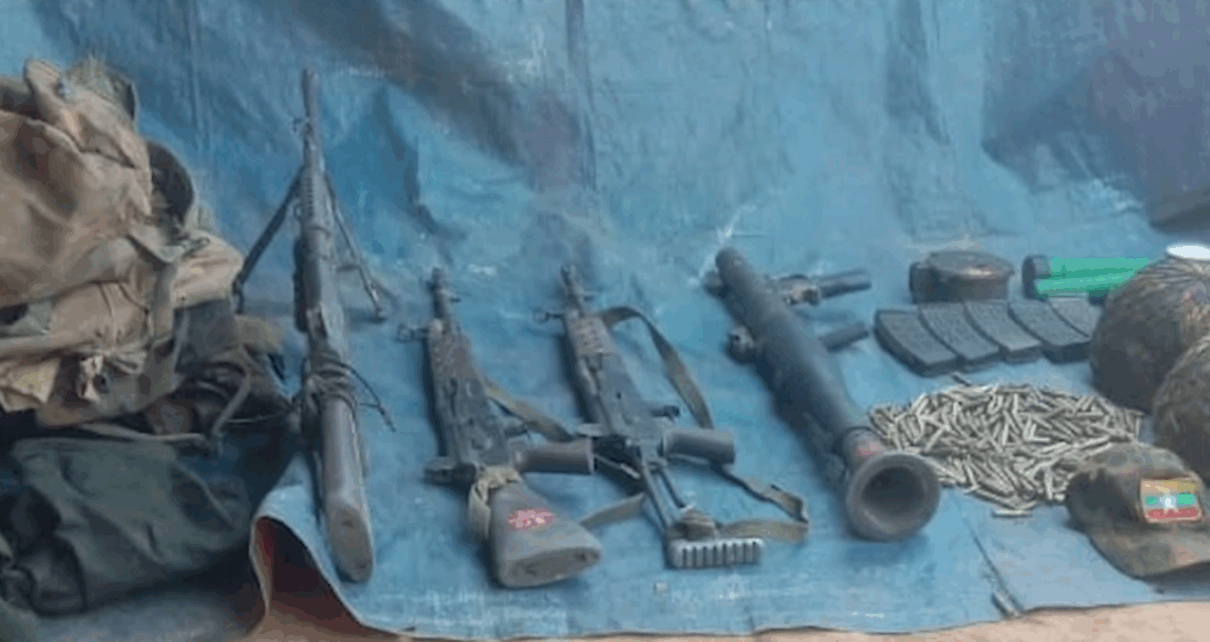
The declining cost of war, driven by cheap first-person-view (FPV) drones, commercially available components, and rapidly diffusing battlefield innovation, is lowering the financial barriers to enter conflicts, both for state and non-state actors. This risks increasing the frequency and territory impacted by armed conflict and, by extension, expands the risk of entrapment to NATO countries.