There is no shortage of analysis on the Arctic and its potential to become a zone of confrontation, economic gain, or both. These predictions are based upon a somewhat tired causal chain: climate change is warming the Arctic and melting the ice that previously made the region inaccessible. Less ice opens the region for more vessels to transit polar waters, presenting opportunities for shipping, mineral extraction, and military maneuvering. As a result, it is necessary to invest in the infrastructure and capabilities that protect national interests and deter unwelcome interference.
For the Indigenous communities of the Arctic, however, climate change does not appear as an inevitability with a fiscal upside. In fact, it is these traditional inhabitants who will bear the consequences of a “polar pivot” if their unique interests are overshadowed by the fast-paced securitization of the region. As NATO seeks to strengthen its northern flank through coordinated Allied investment, Canada must ensure that the prosperity of its Arctic communities remains a key strategic priority.
As the only regional actor to have entered into formal treaties with its Inuit peoples, Ottawa has a legal onus to recognize how threats within Northern communities affect the broader architecture of Arctic security. The regional expertise of the Inuit is valuable when it comes to military planning. Canada can thus contribute to NATO’s polar pivot by emphasising strategy that strengthens both deterrence and the long-term resilience of Arctic communities
NATO has taken significant steps to expand its Arctic presence in recent years, most notably through the addition of Finland and Sweden to the alliance. The defence of the region is now integrated amongst seven of the eight Arctic states, enhancing interoperability and strengthening deterrence. In 2025, NATO expanded Joint Force Command Norfolk’s area of responsibility to include the entire Arctic, centralizing the region’s operational command. NATO has also sought centralization at the strategic level by establishing Arctic Sentry, an “enhanced vigilance activity” meant to consolidate the individual efforts of allies into one overarching strategic direction. It is precisely this desire for homogenous alliance strategy that necessitates an awareness of the Arctic’s Indigenous populations. The further that NATO allies zoom-out at the strategic level, the easier it becomes to overlook the impacts of fast-paced development on already vulnerable communities.
Food security, for example, is a key threat in the Arctic that results from high shipping costs and a shallow poverty line. According to the Inuit Tapiriit Kanatami (ITK), the principal voice on such issues, Inuit households face food insecurity at a rate seven times higher than the average Canadian household. The close-knit nature of these communities has a reverberating effect, spreading insecurity across the population. With such high levels of hunger, the Inuit rely on nutrient-dense “Country Food” to augment diets, yet more importantly, to remain connected to their culture. Inuit experts warn that increased industrial activity and ship presence in the Arctic can disrupt wildlife patterns, thus amplifying food insecurity concerns while detaching Inuit populations from a key component of their identity.
Access to medical treatment presents another internal security gap in the Arctic, often requiring air travel to southern cities to receive care. In the case of an emergency, air ambulances are used to transport patients southward, though these flights are often delayed, a factor that has been proven to increase mortality. The significant distance separating northern communities from care can also have a deterrent effect, as some patients are reluctant to travel south for an indefinite period, ultimately compounding healthcare insecurity and deepening gaps in living standards. Moreover, for those who do seek medical attention southward, there are cultural factors that affect treatment, specifically when it comes to language barriers, which can leave Inuit patients misunderstood or misrepresented.
These internal vulnerabilities are not simply moral caveats; they are domestic concerns that alliance-level analysis alone cannot account for. With significant investment headed northward, Ottawa must recognize that the Arctic is a homeland before it is a theatre, ensuring that NATO’s attempts to coordinate investment via Arctic Sentry do not distract from necessary investment at the community level. The development of infrastructure with dual military and social utility presents Canada with an opportunity to make the polar pivot without turning its back on the factors that generate insecurity from within, ultimately constructing an Arctic that is both defended and secure.
While healthcare inequality is a key driver of insecurity, it also exemplifies how defence investment can be paired with human security objectives to achieve two goals in one. Canada has dedicated 35 billion dollars to the enhancement of its defence infrastructure in the region, including the expansion of forward operating bases. A portion of this pre-approved money could feasibly be used to develop on-base emergency medical capabilities, redirecting southbound air ambulances to treat patients more urgently. This would also reduce the discouraging effects of far-away medical care, effectively bridging inequities in health outcomes and improving the resilience of Arctic communities. Furthermore, the expansion of medical facilities poses a clear military function, especially as tactical exercises in the North become more frequent. In this sense, Ottawa would be strengthening its northern flank while simultaneously closing the gaps in its Arctic, human security, thereby demonstrating to its allies the utility of strategic planning that recognizes internal security vectors.
By ensuring that the securitization of the Arctic recognizes the interests of its inhabitants, Ottawa can also incorporate Inuit perspectives into its military strategy. As the historical stewards of the region, there is no better demographic to learn from than Inuit, specifically in terms of navigation and wilderness survival; two critical factors in tactical planning. Therefore, there is a strategic upside that links Canada’s defence priorities to the protection of Northern communities, adding a further emphasis on the necessity of dual-use investment hinged upon an understanding of the region’s key vulnerabilities.
As the largest Arctic state in NATO, Canada has both an opportunity and obligation to shape how allies view Arctic security. Treaty obligations make Ottawa’s strategy unique, anchoring human security for Indigenous peoples in the national interest and those of Canada’s allies. The inevitability of NATO’s polar pivot requires Canada to lead the way on targeted investment that implements a more nuanced security lens to protect the homeland behind the flank.
Disclaimer: Any views or opinions expressed in articles are solely those of the authors and do not necessarily represent the views of the NATO Association of Canada.
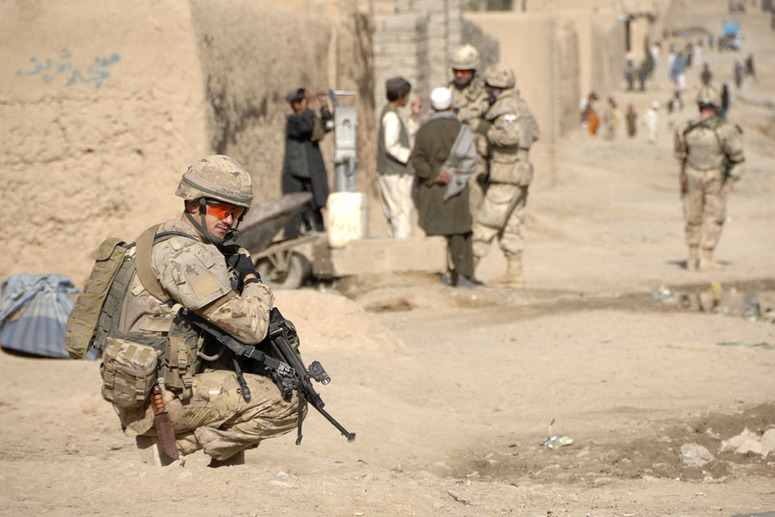
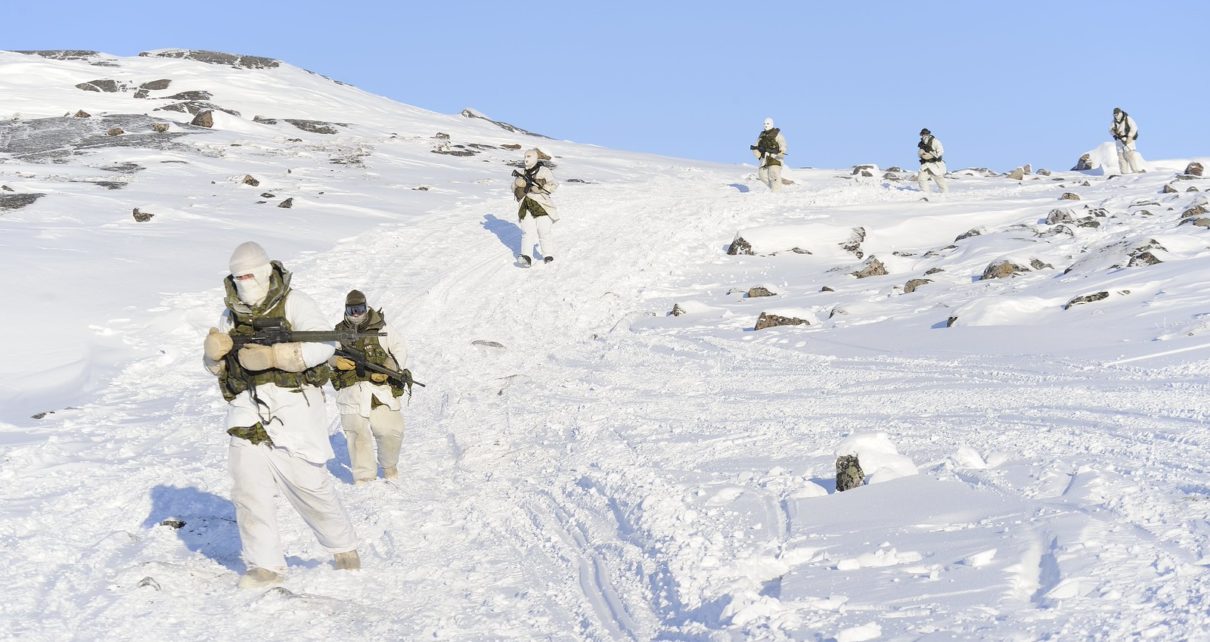
Photo: https://www.flickr.com/photos/canadianarmyarmeecanadienne/13408263674/sizes/h/