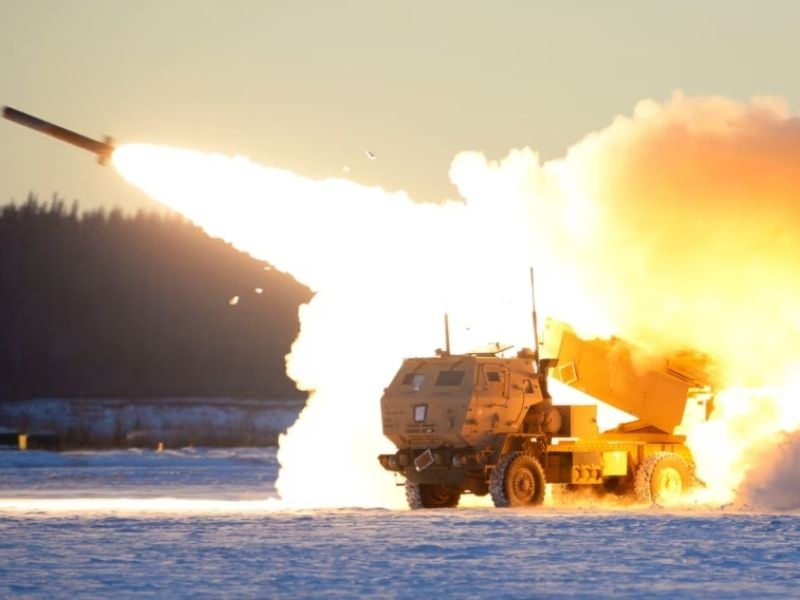
Why is Canada buying HIMARS? In this piece, Maral Hamzehloo examines how Canada’s acquisition of the High Mobility Artillery Rocket System (HIMARS) addresses a critical capability gap within the Canadian Armed Forces and supports Ottawa’s commitment to fielding a combat-capable brigade in Latvia. As HIMARS becomes NATO’s standard long-range fires platform, the system also strengthens interoperability with key allies. However, she argues that the capability’s effectiveness remains tied to access to U.S.-produced munitions, support networks, and industrial capacity. Drawing on recent examples involving Estonia and Ukraine, she contends that Canada should pair the acquisition with stronger munitions resilience, expanded allied procurement mechanisms, and greater domestic industrial participation to ensure the capability can be sustained during a major crisis.