
NATO Mission Iraq is a non-combat advisory mission that has been in operation since 2018. Despite Women, Peace, and Security (WPS) being a stated goal of the mission, women in Iraq continue to face high rates of violence and insecurity, along with regressions in their legal rights. The recent assassination of Iraqi-Canadian women’s rights activist Yanar Mohammed urgently highlights this, for an unsafe climate for women’s rights defenders is one in which the WPS agenda cannot be implemented successfully. As it aims to support Iraq in building resilient security institutions, the NATO Mission in Iraq should apply the WPS agenda across its policies. Such a policy could promote women’s rights in the country and preserve the success of the capacity-building project.
The mission was established following a smaller mission from 2004-2011 known as the NATO Training Mission in Iraq. This had been established to support the development of an effective armed forces for the Iraqi Interim Government following the U.S. invasion of 2003. Having faced an insurgency, power vacuum, and sectarian strife, the NATO Mission sought to support training troops, donating equipment, and providing financial contributions in support of the state against the insurgency. The mission’s mandate expired in 2011, and in 2018, at the request of the Iraqi government, the current NATO Mission Iraq was established to support the state in its capacity-building.
NATO Mission Iraq supports Iraqi security institutions to fight terrorism, prevent the return of ISIS/Daesh, and maintain stability across the country as it undergoes reconstruction following a long period of war, instability, and devastation. The mission intends to instruct on the rule of law, the law of armed conflict, countering corruption, and the Women, Peace, and Security (WPS) agenda.
Since the 2005 constitution enshrined legal equality between men and women and established a 25% quota for women’s representation in parliament, women’s rights have faced regression in Iraq. The Ministry for Women’s Affairs was abolished in 2015, making it difficult to deploy initiatives of the Women, Peace, and Security agenda. The implementation of WPS requires security forces and civilian bureaucratic institutions to make women’s equal and meaningful participation in public affairs a priority. This is a proven prerequisite for peacebuilding and the stabilization of society. Further, the 2025 amendment to the Personal Status Law legalizes unregistered marriages, a well-documented loophole used to conduct child marriages. In 2021, the UN Assistance Mission in Iraq (UNAMI) reported that 33.9% of marriages in Iraq are unregistered, with 22% of them involving girls under the age of 14. After widespread condemnation and advocacy by Iraqi women’s rights defenders, certain adjustments were made to the law, which would have legalized marriage for girls as young as nine years old. Still, the final law remains a dangerous regression in women’s rights by creating sectarian divisions in authorities governing marriage and divorce.
In March 2026, Iraqi Canadian activist Yanar Mohammed was shot and killed outside her residence in Baghdad by unidentified gunmen. Mohammed was the director of the Organisation of Women’s Freedom in Iraq, a prominent women’s rights organization in the country. While the Iraqi Prime Minister Mohammed Shia al-Sudani ordered an investigation into the killing, Amnesty International has voiced concern that this assassination fits a broader pattern of targeted killings of activists since 2019, and that authorities have failed to hold perpetrators accountable, creating a climate of impunity that places activists at deadly risk.
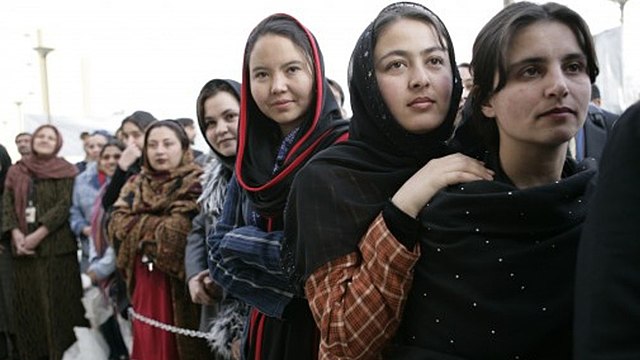
The WPS agenda hinges on an environment of stability for civil society and women’s rights defenders. Yanar Mohammed had opened Iraq’s first women’s shelters, protecting thousands of women fleeing honour killings, domestic violence, and trafficking. She published a feminist newspaper, Al-Mousawat, and ran classes for women’s rights activists. This activism works directly in hand with NATO’s WPS agenda, which intends to promote “women’s equal, safe, and meaningful participation in decision-making,” an effort recognized by NATO as critical to the achievement of its mandate. Preventing violence against women, promoting women’s voices in civil discourse, and increasing women’s involvement in public affairs are all critical elements of the WPS agenda. Mohammed’s killing highlights that 8 years into NATO Mission Iraq, more needs to be done to integrate WPS into its operations. While NATO Mission Iraq has deployed gender advisors and conducted WPS-focused training for security forces, it must recognize that addressing legal injustices towards women, widespread violence against women, and an unsafe climate for women’s rights defenders are prerequisites for creating long-term state stability. NATO Mission Iraq should publicly support women civil society defenders and encourage its member states to demand thorough investigations into instances of violence against human rights defenders, including Yanar Mohammed. Such work would be in line with the Mission’s stated goals to promote WPS while maintaining its promise to respect Iraqi sovereignty. To build credibility for NATO and its WPS agenda, WPS must be more than rhetoric; it must be a practiced policy.
Photo: Iraqi-Canadian women’s rights activist Yanar Mohammed. Source: Aaron Harris via Canadian Press.
Disclaimer: Any views or opinions expressed in articles are solely those of the authors and do not necessarily represent the views of the NATO Association of Canada.