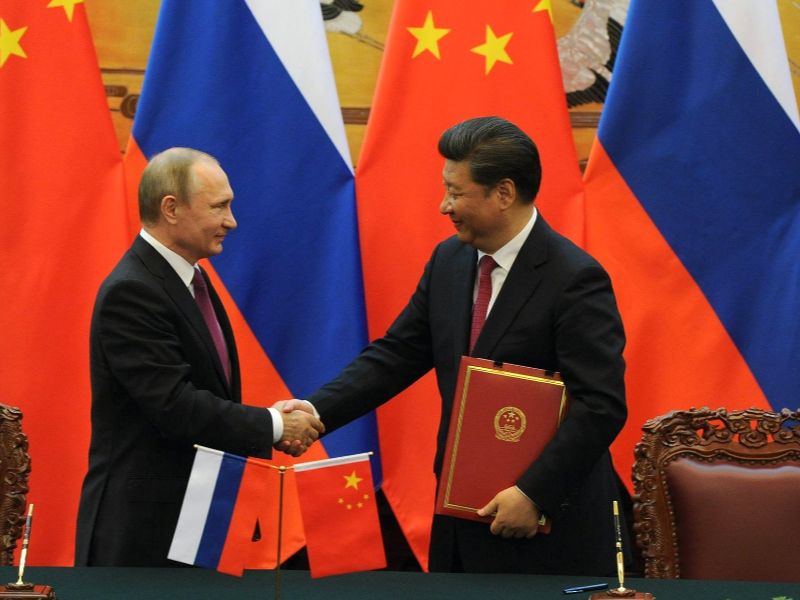
In “China’s Calculated Partnerships: Decoding Beijing’s Alignment with Russia and NATO’s Strategic Response,” Daniel Lincoln argues that Beijing’s support for Moscow stems from insecurity, not ideology, and that misreading this dynamic risks hardening a fragile partnership. The piece calls for a strategy of restraint and engagement – one that deters aggression while offering China reasons to distance itself from the Kremlin.
Russia
The 2025 NATO Summit and Its Implications for Indo-Pacific Security
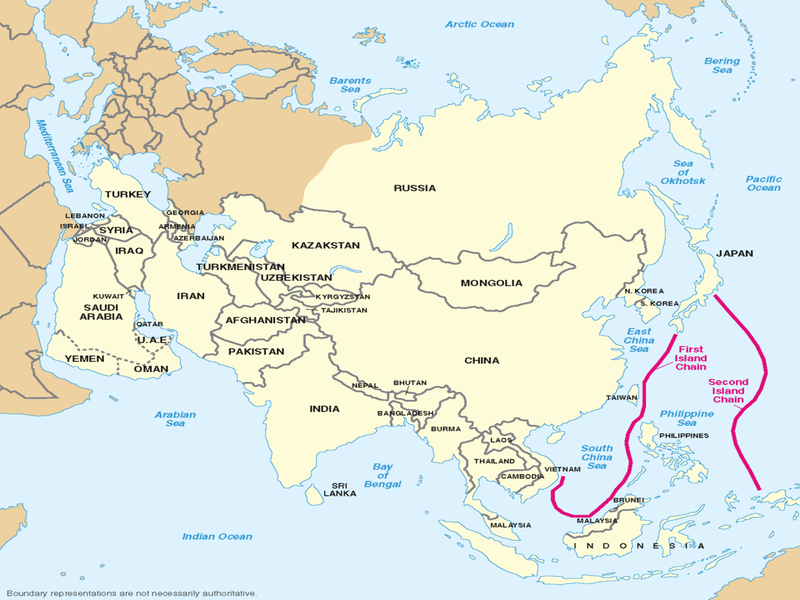
In his latest piece, Alexander Morrow highlights how new NATO spending commitments strengthen security in both Europe and the Indo-Pacific. As the alliance rebalances burden sharing, European arms purchases have the potential to bolster the United State’s military industrial base and its ability to deter aggression against Taiwan.
Strange Bedfellows, Real Consequences: What do Moscow-Beijing-New Delhi’s SCO Optics Mean for NATO and Canada?
Narayan Srivastava highlights how NATO’s relevance in today’s multipolar world depends on engagement with the Global South. From safeguarding maritime chokepoints to strengthening resilience in energy and trade, actors like India, Brazil, and the Gulf states are emerging as indispensable partners. By expanding its partnership models and leveraging shared interests, this article explores how NATO can reinforce its role as the global custodian of stability, ensuring that the Alliance not only adapts to new realities but leads in shaping them.
Russia’s Energy Hybrid Warfare and the Limits of the West’s Strategic Decoupling
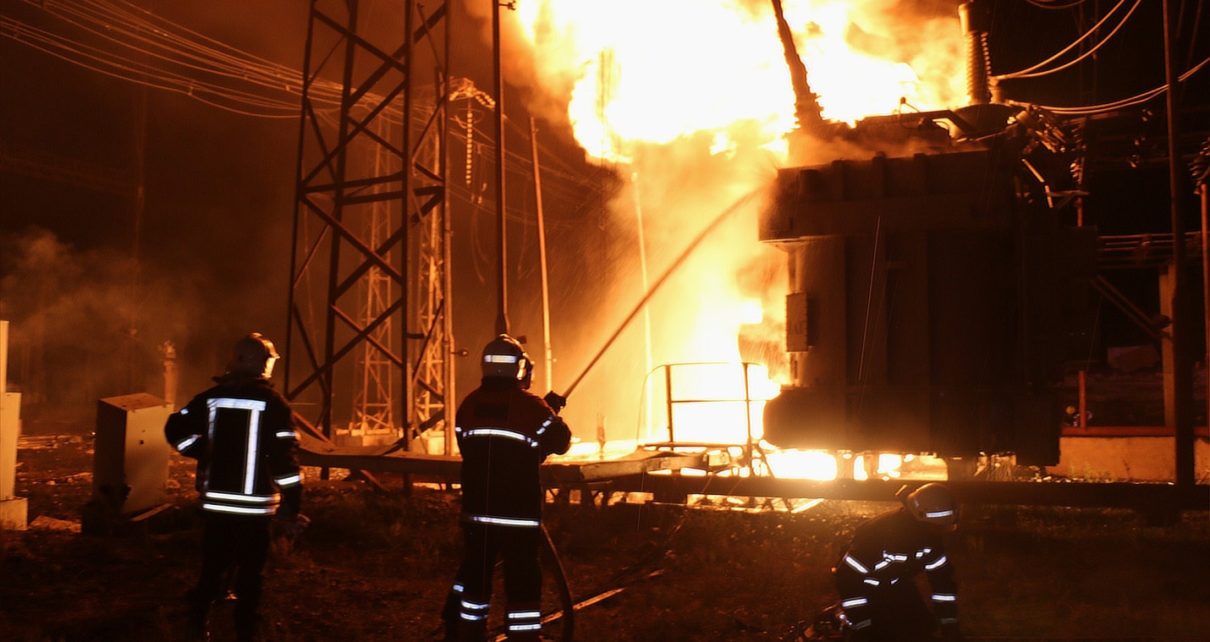
Abstract: How has the EU’s strategic decoupling from Russia in the energy sector impacted Moscow’s war of aggression in Ukraine? In this article, Program Editor Mark Davis Madarang Pablo examines the latest results of such strategy in response to Russian weaponization of energy and provides policy options for EU and NATO member-states and global partners. Read More…
Canada’s Need for a Comprehensive Arctic Strategy Amid Russian and Chinese Threats
Warming climates, emerging natural resources, and intensifying geopolitical threats have made the Arctic an area of great political tension, but Canada does not yet have a strategy to deal with these challenges. Can the country afford to lag behind other Arctic and “Near-Arctic” states in planning for the future of its security?
A Fragile Balance in the Mediterranean
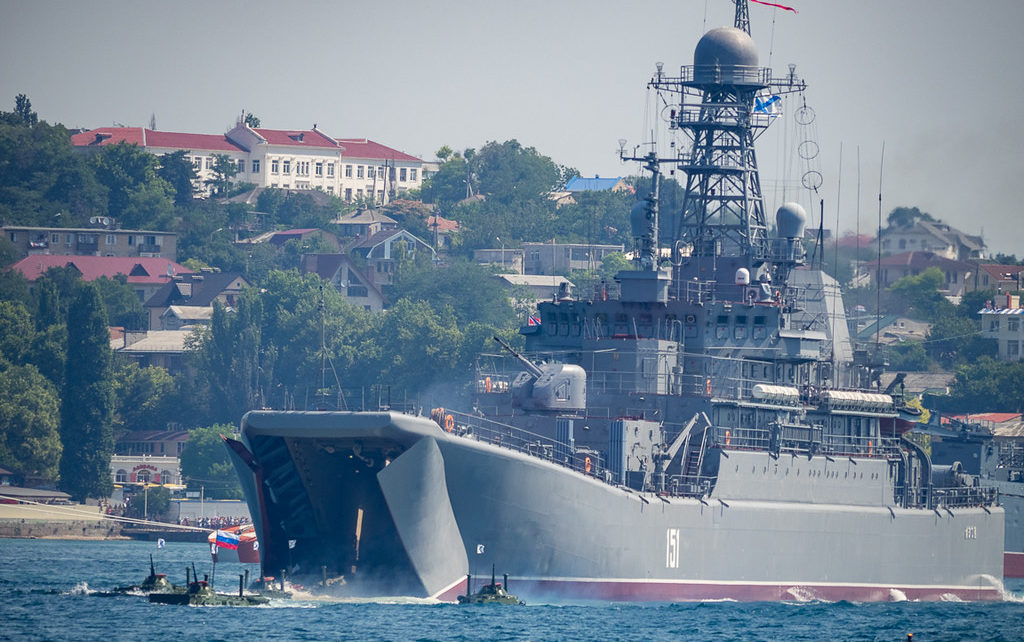
Russia has long sought a presence in the Mediterranean, and thanks to its intervention in Syria, it now has one. But can it challenge NATO and its dominance? Not yet, says Elliott Simpson, but as tensions mount elsewhere, NATO should remain vigilant.
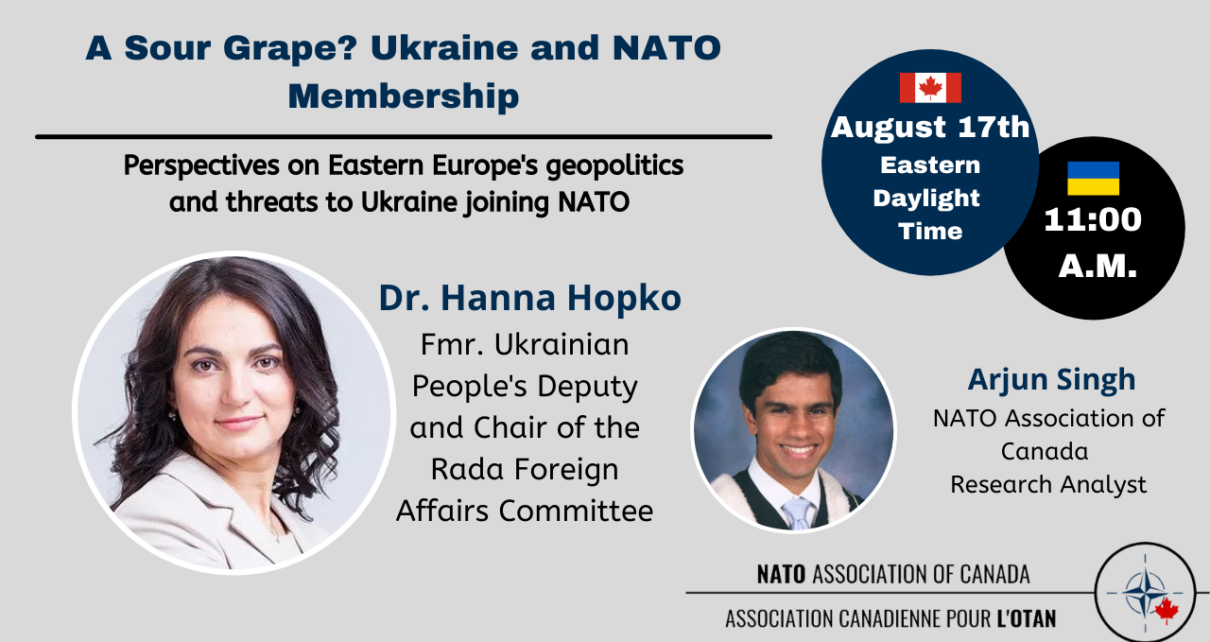
A Sour Grape? Perspectives on Ukraine and NATO Membership
A discussion with Ukrainian stateswoman Hanna Hopko on the prospects of Ukraine joining NATO, and its impact on Eastern Europe and Russia.
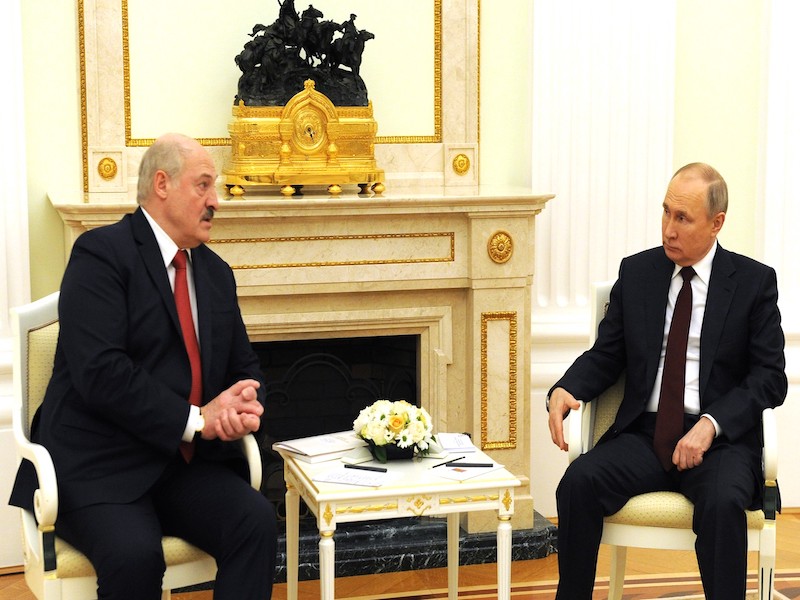
Lukashenko’s Gambit: Embattled Belarusian President Risks National Sovereignty Amidst Increasing Isolation from the West
In this article Griffin Cornwall examines the impact of the Belarusian Government’s dramatic arrests of Roman Protasevich and Sofia Sapega, the increased sanctions pressure from the West this action has brought, and the potential risks to Belarus’ national sovereignty brought by President Lukashenko’s retrenchment of his relationship to his longstanding ally, Russian President Vladimir Putin
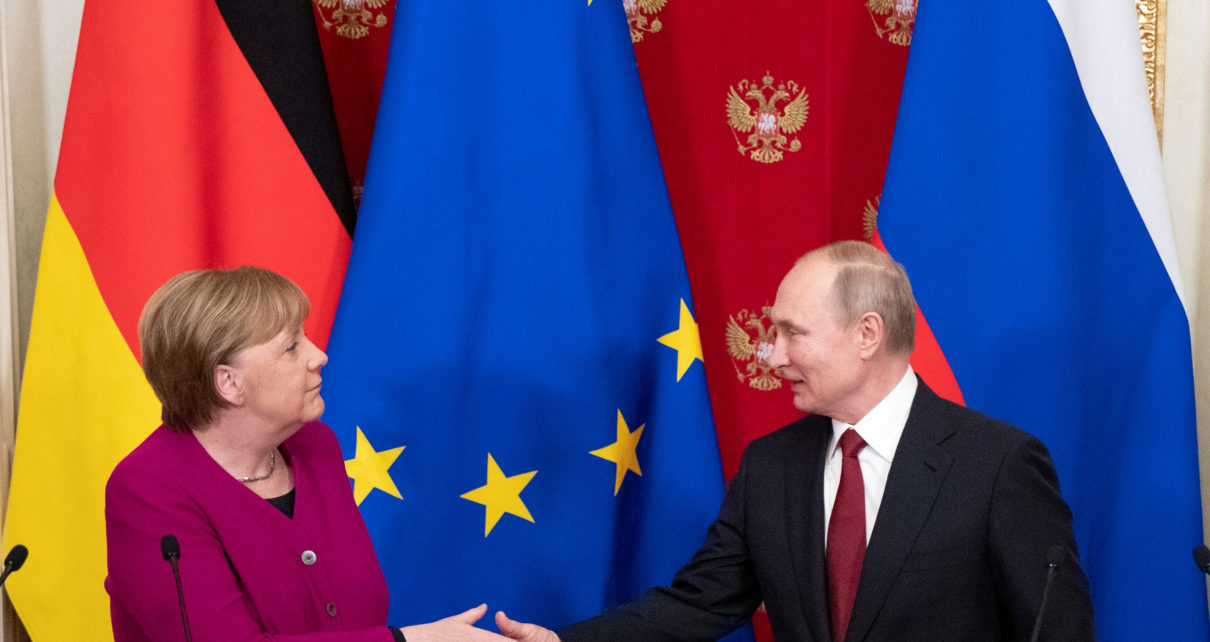
Deutschland’s Dissonance: Nordstream, Nazism and NATO’s Peril
Despite NATO’s objections, as Germany persists in cooperation with Russia, Arjun Singh deconstructs the German strategic calculus on Nord Stream 2 and impact of Holocaust history.
Two Cents for Defence
As NATO nations battle over “burden sharing,” Arjun Singh explores the ‘2%’ spending rule and Donald Trump’s record on ensuring allies meet it.