Learn more about the ‘International Business & Economics’ program, one of the many research areas covered by the NATO Association of Canada.
placeholder for programs
Learn more about the ‘International Business & Economics’ program, one of the many research areas covered by the NATO Association of Canada.
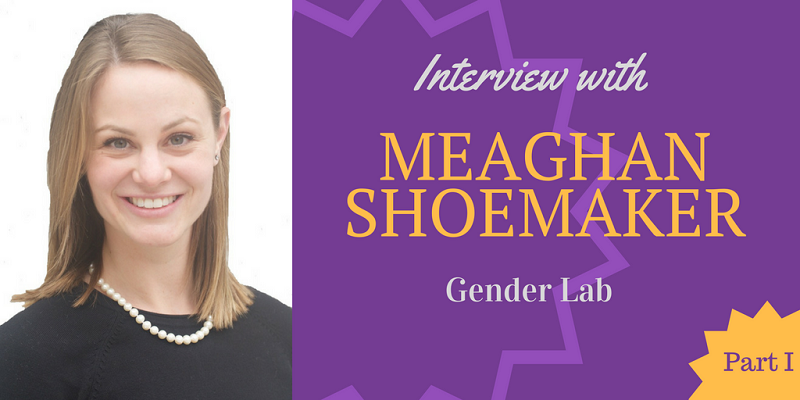
In Part I of this interview, Meaghan Shoemaker tells us about an important research project she is working on at the Gender lab of Queens University’s Center for International and Defence Policy.
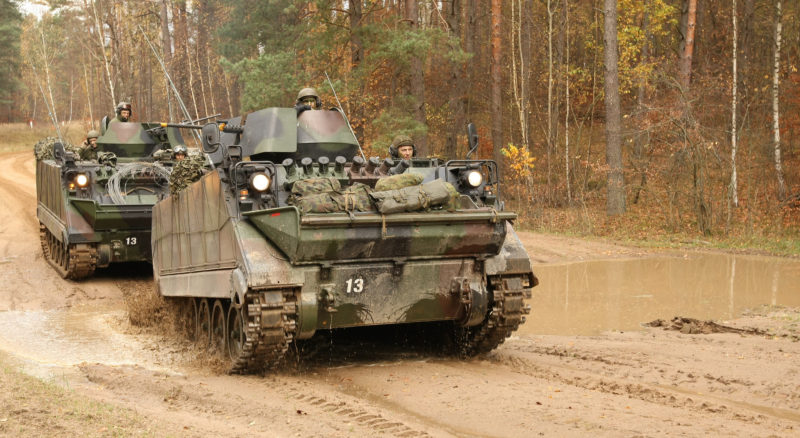
In addition to reinforcing Lithuania’s conventional defence, what are other effective ways of facing hybrid warfare threats? Léo-Paul Jacob explores
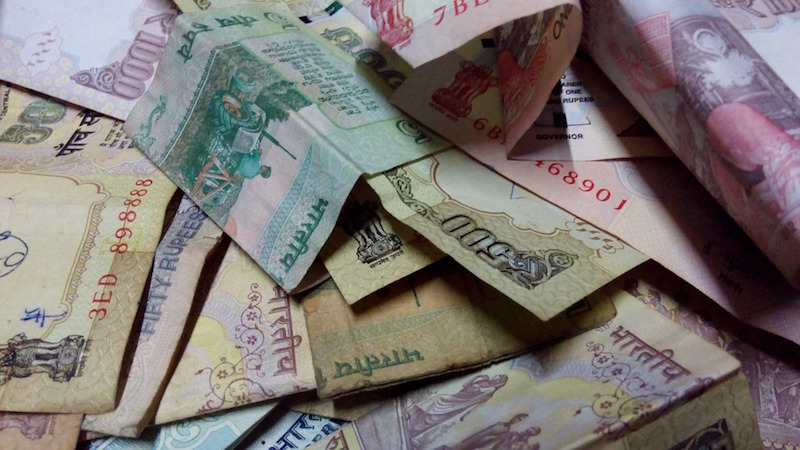
On Tuesday November 8, Narendra Modi, the Prime Minister of India announced that the Indian government will be discontinuing the largest denomination bills in circulation, the ₹500 and ₹1000 rupee notes. These notes represent approximately 86% of the money supply in circulation. This surprise motion caused millions of people to flock to their nearest banks Read More…
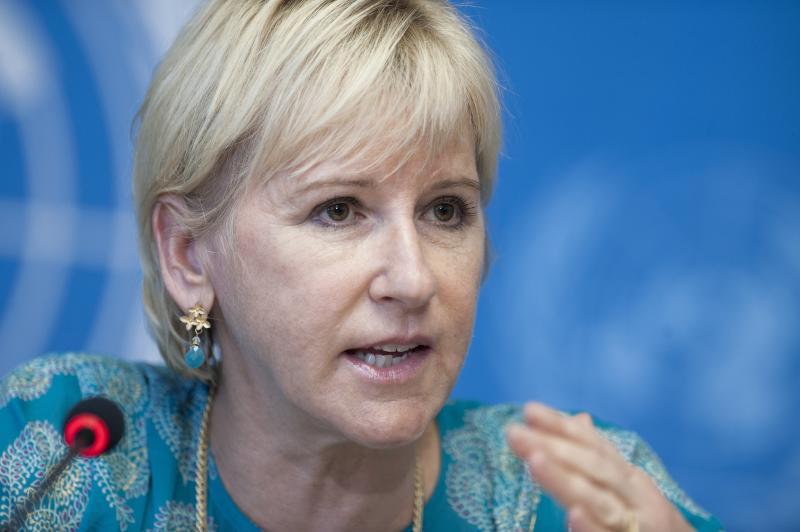
Ida Männistö takes a closer look at Sweden’s new foreign policy model and the stigmatization of the word feminism.
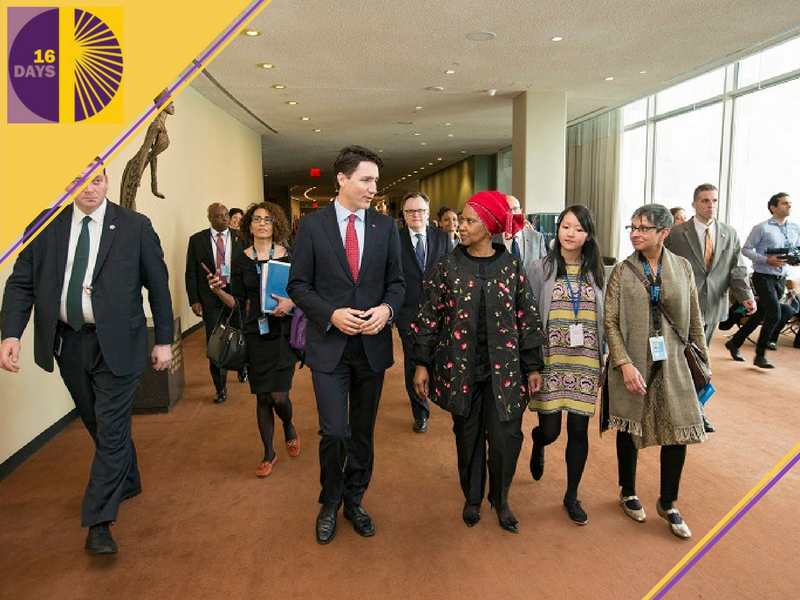
Canada continues to promote gender equality abroad. However, is it doing its fair share at home? Jenny Yang discusses Canada’s reflective look on gender equality.
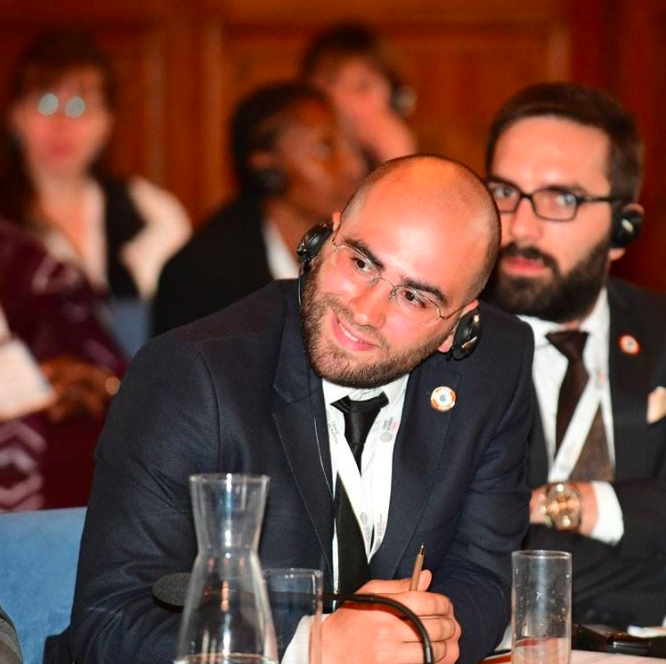
Listen as Magdalena Surma interviews Rati Bakhtadze. He is the Vice-President of Finance at the Youth Atlantic Treaty Association.

In this interview, Mégane Visette asks Prof. Stefanie von Hlatky about WIIS-Canada, her research on gender mainstreaming, and her gender training project at NATO.
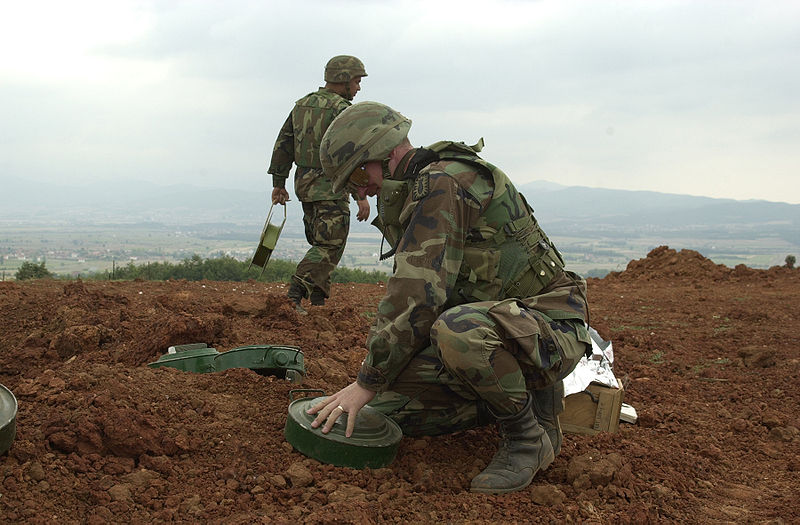
Editor Jemma Finnegan explores the use, production, stockpiling, and transfer of AP landlines in 2015
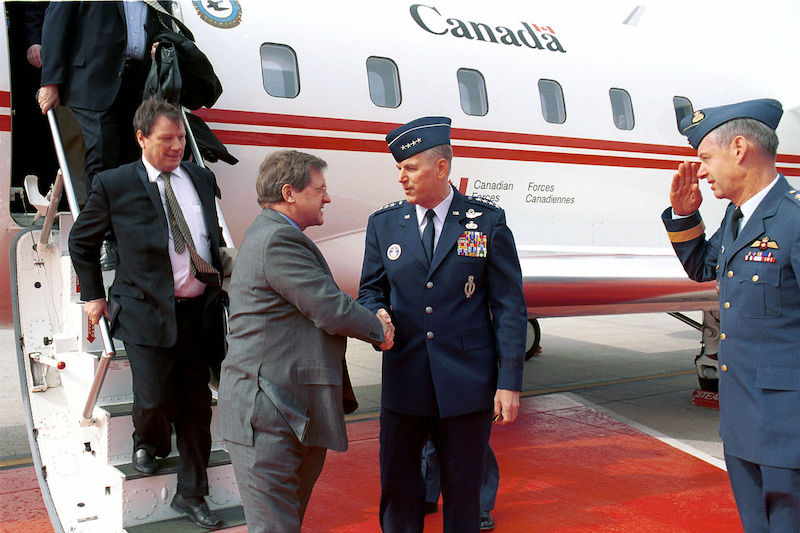
Twenty years after the Ottawa Process, Ida Mannisto explores the precedent that the treaty established for international accords banning weapons.