With the U.S. rollback of the Pentagon’s Women, Peace, and Security program, the global WPS agenda appears to be at a crossroads. In the context of increasing geopolitical volatility, peacebuilding initiatives such as WPS must be at the forefront of NATO’s operational goals. Canada’s National Action Plan offers a leading example of how states can reinforce the global WPS agenda through comprehensive national policy.
Tag: Women Peace and Security (WPS)
At a Crossroads: Can Canada Meet the Moment For its Feminist Foreign Policy?
Canada’s new plan to name a new Women, Peace and Security (WPS) ambassador is a positive signal, considering WPS and Feminist Foreign Policy (FFP) have historically been a reflection of Canadian values, as champions of peace and multilateral cooperation. Isabelle Zhu argues that Canada’s current “middle power” strategy would allow it to move forward as the new champion of FFPs and WPS, enhancing its position within the Alliance and on the international stage.
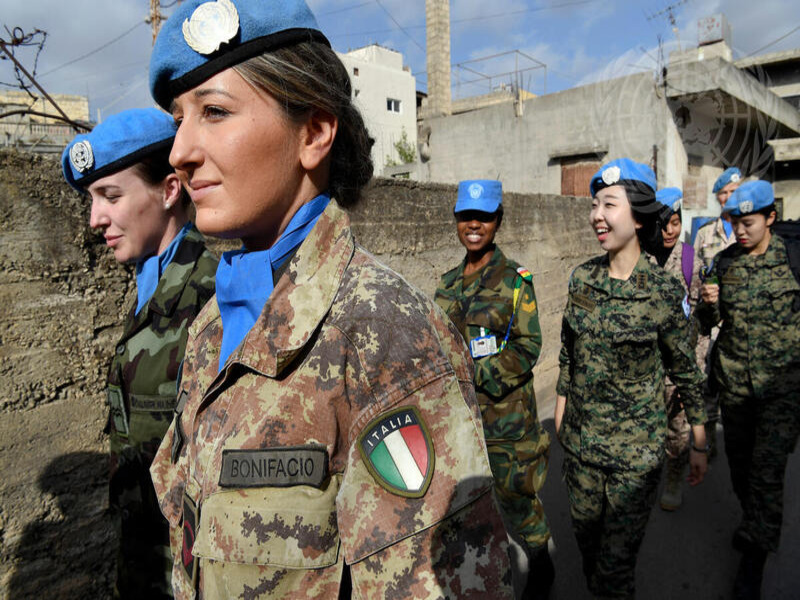
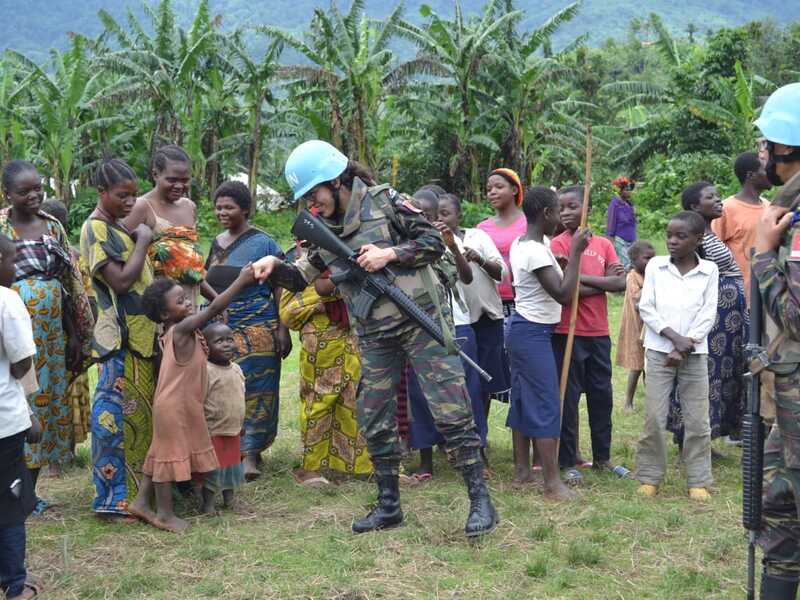
More Than Just a Woman: Exploring Peacekeeping Operations Through a Multifaceted Lens
Overlapping structural barriers, including economic inequality, racism, and social inequalities, work to limit women’s agency, reinforcing problematic assumptions around gender and reasons for women’s inclusion. Contextual considerations to peacekeeping operations (eg. geography, history, culture) as well as overlapping factors that affect women’s experiences should be accounted for when determining responsibilities/mandates. Missions could benefit from incorporating an intersectional perspective, beyond just the gendered dimension; race, class, sexuality, and other social identities have organizational, institutional, and field-level effects in the conflict resolution process.
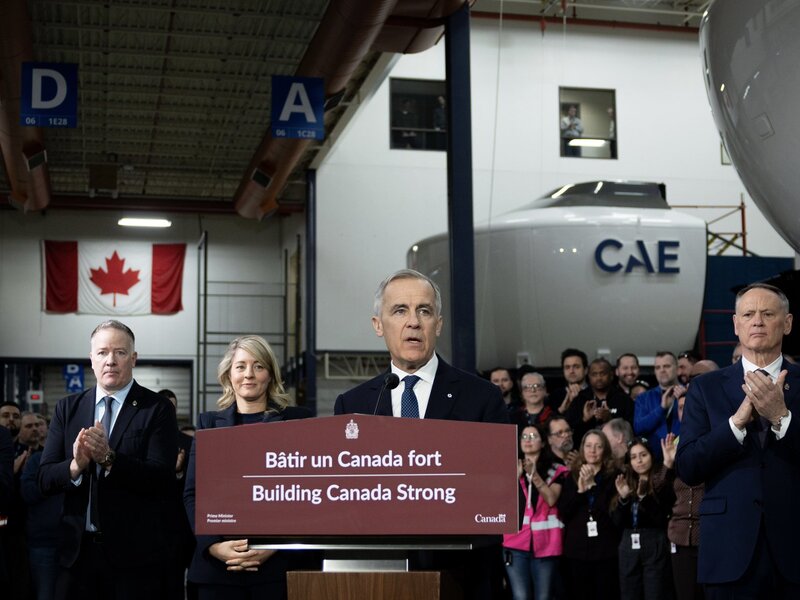
“Building Canada Strong”: an Investigation of Opportunities for Women in Canada’s Procurement Strategy
Canada’s Defence Industrial Strategy (DIS) aims to strengthen national defence posture by investing in domestic supply chains. This article explores whether the opportunities created by this expansion will produce meaningful gains for women in Canada’s defence and security industries. By examining initiatives among leading Canadian defence firms, this article assesses current efforts to promote women’s industrial participation and prescribes how the DIS can pursue gender-inclusive growth among Canada’s broader defence procurement strategy.
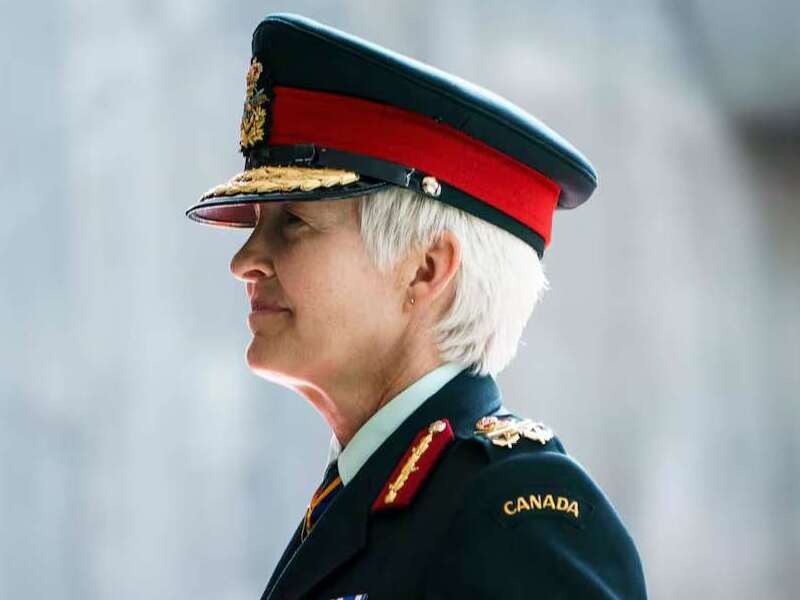
Operation Equal Opportunity: Canada as a Model For Women in Combat Leadership
In July 2024, General Jennie Carignan became Canada’s first woman Chief of Defence Staff. This article centers her appointment as both a symbolic and institutional milestone in Canada’s effort to operationalize the Women, Peace, and Security (WPS) agenda. Tracing her leadership of the Canadian Armed Forces, the article demonstrates how offering equal access to opportunity is a prerequisite for military strength. Gen. Carignan’s leadership of the Canadian Armed Forces offers an example for NATO allies, who can similarly dismantle barriers to women’s leadership and embed inclusive military ethos. The article prescribes a series of pathways through which NATO allies can pursue institutional reform, thereby enhancing institutional quality and strengthening collective defence posture across the Alliance.
An Intersectional Lens on Meaningful Engagement, Participation, and Decision-Making Roles of Women in Combatting and Preventing Violent Extremism
Muskaan Waraich explores how addressing violent extremism requires a multifaceted lens: physical, social, political, economic, and cultural factors that all can play a role. She examines the roles women play in extremist activities, both as victims, perpetrators, and enablers, as well as in prevention. She argues that a gender-responsive lens is essential for understanding these dynamics and for designing more effective approaches to preventing violent extremism (PVE).
Women in Hybrid Warfare: NATO’s Next Challenge
In this piece, Hermean Japra examines how hybrid warfare, using tools such as disinformation, cyberattacks, and economic pressure, undermines democratic resilience. She analyzes how gendered disinformation and online abuse are used to silence women, limit their participation in public life, and weaken societal resilience. Her analysis outlines practical
strategies NATO can adopt, including improved gender-sensitive threat analysis, support mechanisms for targeted women, and strengthened information resilience systems to counter gender-based hybrid threats.
Special Report: In All of Us Command: Rethinking Conscription Through a Gender-Inclusive Lens
How could gender-inclusive national service shape Canada’s future defence posture? This article examines the growing debate around universal service in Canada, assesses its implications for Women, Peace and Security commitments under NATO, and draws lessons from Nordic models to consider whether compulsory service could strengthen societal resilience and women’s meaningful participation in defence.
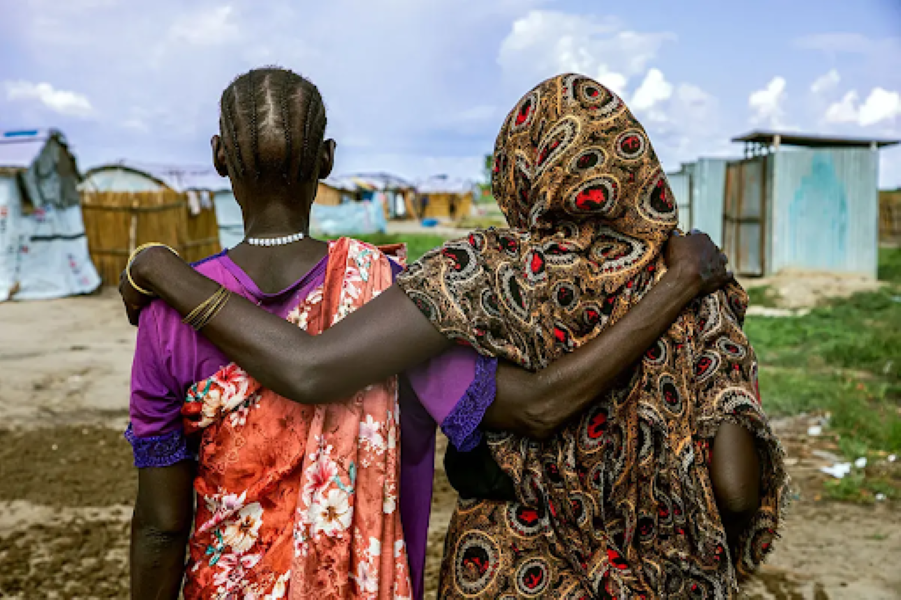
Sexual Violence as a Weapon of War: NATO’s Responsibility to Protect Women
This article looks at how sexual violence operates as a weapon of war in Sudan, and considers NATO’s responsibility to protect women under its Women, Peace & Security (WPS) agenda. It emphasizes the necessity of international collaboration, through policing, justice, and accountability initiatives, in order to strengthen women’s protections and address conflict-related sexual violence.
Executing the Women, Peace & Security Agenda: Are International Human Rights Laws Able to Support NATO Commitments?
This article explores how international human rights law, through the CEDAW treaty, can help strengthen NATO’s Women, Peace, and Security (WPS) agenda. It looks at how CEDAW’s legal obligations can support NATO’s goals by adding stronger accountability for member countries. Using Canada as an example, the piece shows how combining legal commitment with political action can make real progress toward equality and women’s roles in peace and security.