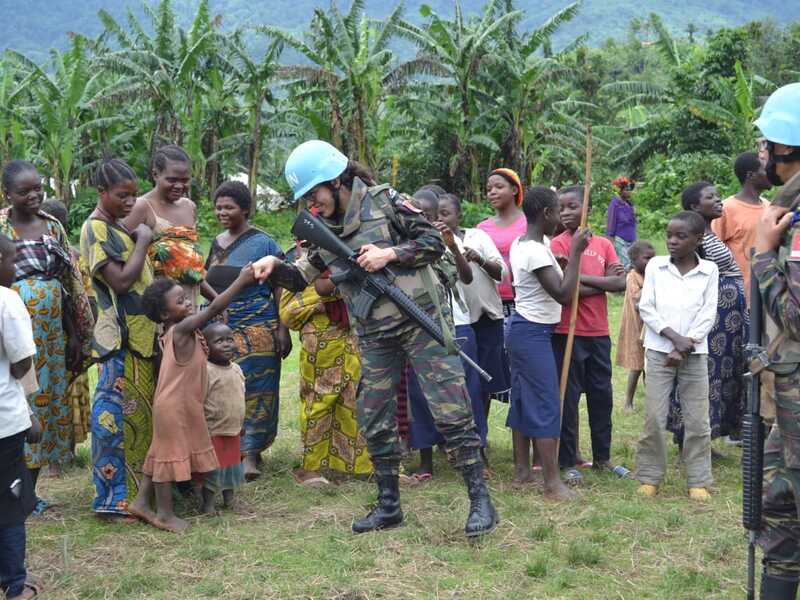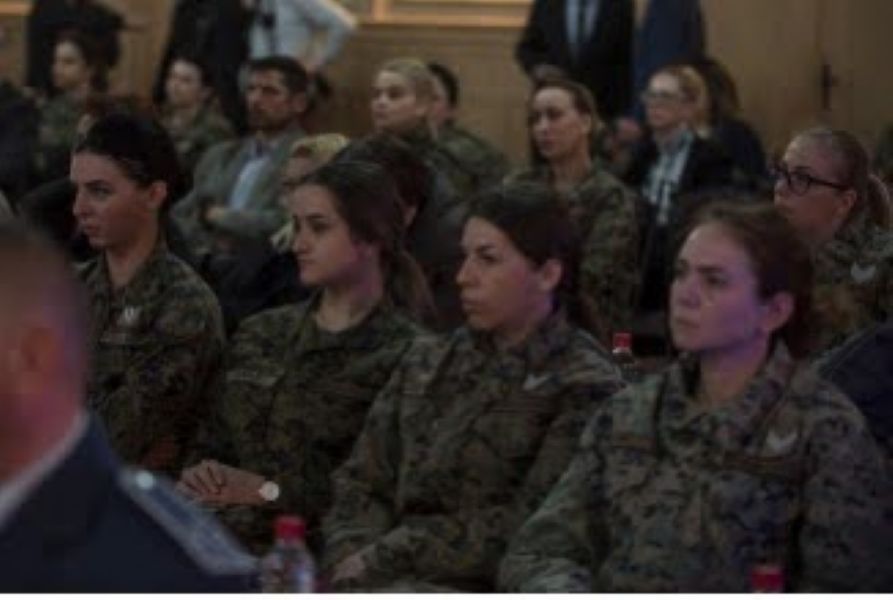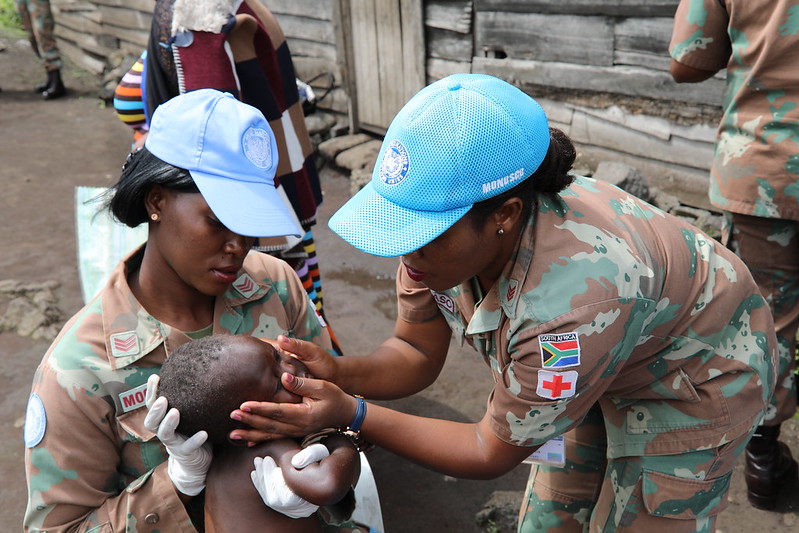
Muskaan Waraich explores how addressing violent extremism requires a multifaceted lens: physical, social, political, economic, and cultural factors that all can play a role. She examines the roles women play in extremist activities, both as victims, perpetrators, and enablers, as well as in prevention. She argues that a gender-responsive lens is essential for understanding these dynamics and for designing more effective approaches to preventing violent extremism (PVE).
Tag: Women in Security
Women in Hybrid Warfare: NATO’s Next Challenge
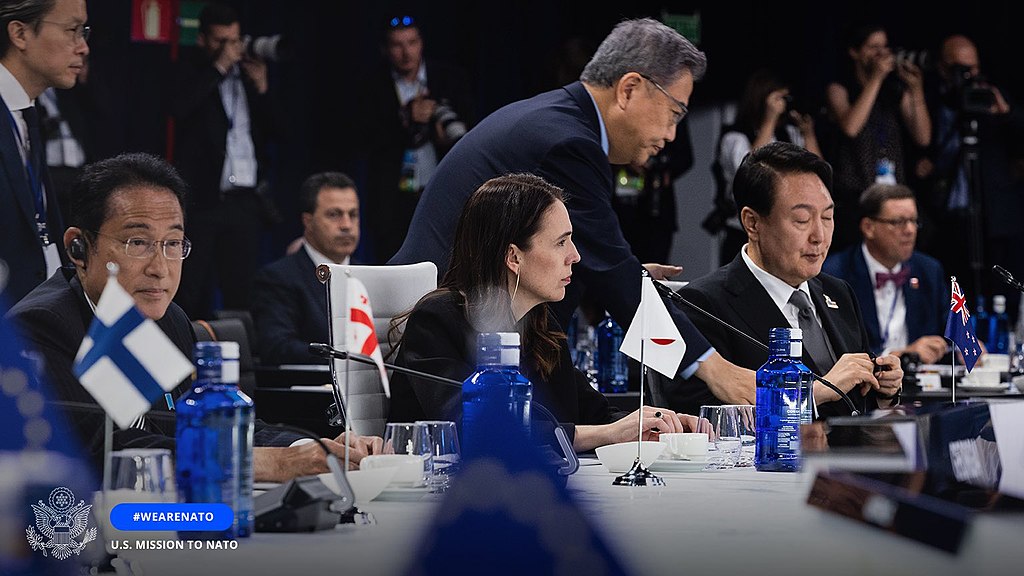
In this piece, Hermean Japra examines how hybrid warfare, using tools such as disinformation, cyberattacks, and economic pressure, undermines democratic resilience. She analyzes how gendered disinformation and online abuse are used to silence women, limit their participation in public life, and weaken societal resilience. Her analysis outlines practical
strategies NATO can adopt, including improved gender-sensitive threat analysis, support mechanisms for targeted women, and strengthened information resilience systems to counter gender-based hybrid threats.
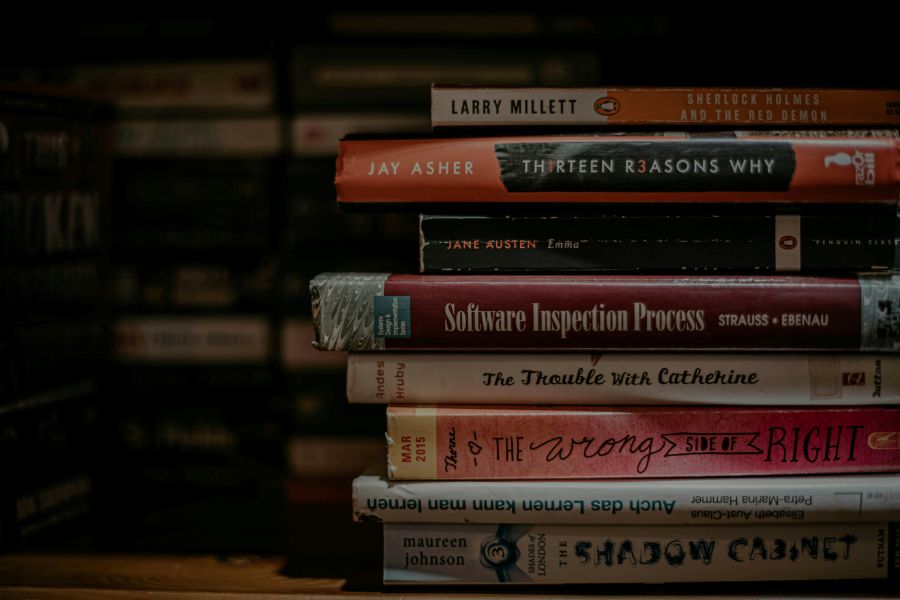
When democracies censor: Alberta’s book ban and its contradiction with NATO’s mission to defend democratic principles
Alberta’s latest directive on books has turned heads nationally. But what does it mean for Canadian security? In this article, author Esha Grewal discusses how Alberta’s book ban is a part of the larger, growing trend of divisive policies among NATO countries that threaten social cohesion.
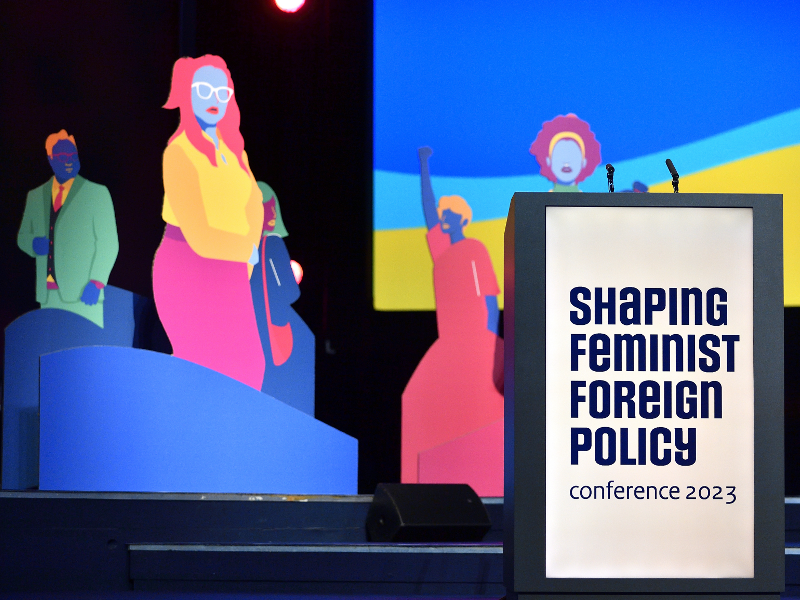
A feminist approach to navigating a world in flux.
VUCA. An acronym commonly used by organizational leaders within the business environment has now become all too relevant in the context of international affairs. V. Volatile. U. Uncertain. C. Complex. A. Ambiguous. This is the state that humanity currently finds itself in. Ranging from realities such as increasing levels of political polarization to the rise Read More…
The Societal and Political Treatment of Women in Politics
If you were to ask any gender equality organization, coalition, collective or feminist action group, most would agree that there needs to be more female leaders. Further, there is a dire need to have more women in leadership as heads of state, Presidents, and in high-level political positions – in 2018, roughly only 23.8% of Read More…
The Power of Women in Peacekeeping and its Promise for Security
It’s no secret that much of the scope of international relations, especially the security sector, is a world dominated by men. In high-level political forums, military zones, negotiation processes – women are still largely outnumbered by men in these spaces. However, the power of women in peacekeeping and peace operations cannot go understated. Women who Read More…
The CAF’s Sexual Misconduct Settlement: Lessons Learned and the Way Forward
In December, 2022, the Canadian Minister of National Defence, Anita Anand, presented a report to the Canadian parliament that related the progress of the Canadian Armed Forces’ (CAF) efforts at reform in the face of widespread reports of sexual assault in its ranks. The last three years have seen the resignation of many high-level Canadian defence officials, Read More…
The NATO Association of Canada Sponsors a Book Launch
On April 13, the NATO Association of Canada sponsored a book launch forDeploying Feminism: The Role of Gender in NATO Military Operations, the most recent book by Dr. Stéfanie von Hlatky, Associate Professor, Queen’s University, at the Royal Canadian Military Institute in Toronto. Dr. Madison Schramm, Assistant Professor, University of Toronto, moderated the discussion. The Read More…
Connection as Currency: Josée Touchette’s Key to Decision-making
What do multilateralism and human connection have in common? According to Josée Touchette, they both play a role in the solving the world’s most pressing issues. On January 24th, Josée Touchette, Executive Director of the Organization for Economic Cooperation and Development (OECD), spoke at the Munk School of Global Affairs and Public Policy regarding multilateralism Read More…
Are Peacemaking Processes in Peril?
Is peacemaking in peril? In this article, Maya Gandhi highlights the lack of progress made on the United Nations Sustainable Development Goals and how it could negatively affect the international community’s ability to bring innovative and sustainable peace to regions enduring conflict.