Security, Trade and the Economy

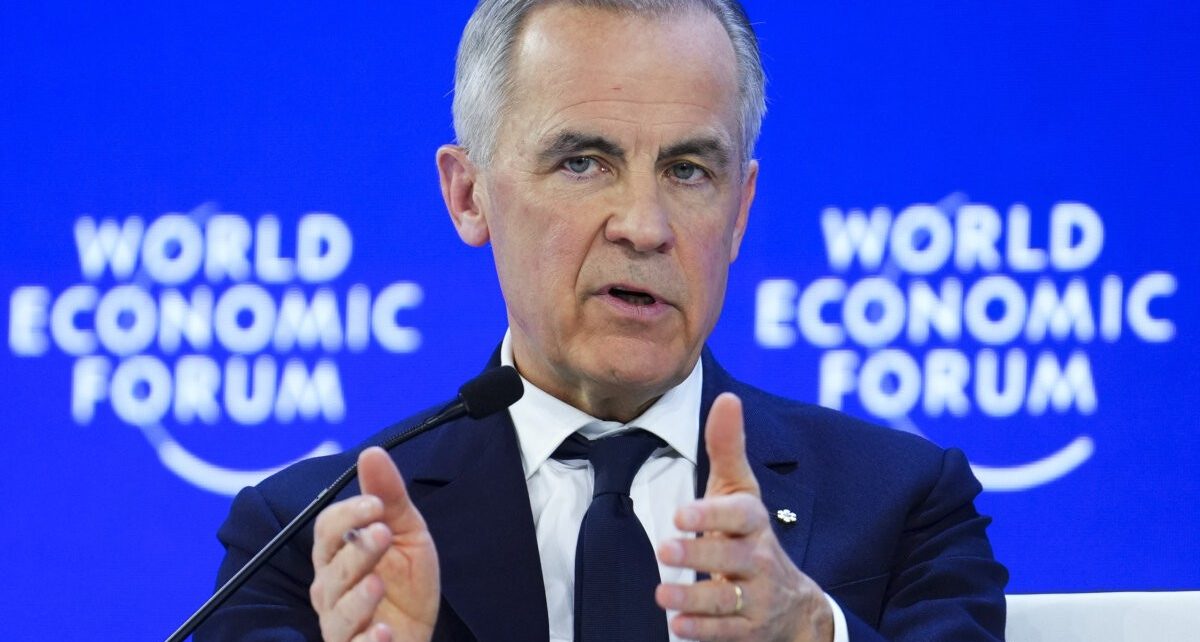
The Value of our Strength: How Carney’s Davos Speech Exposes NATO’s Economic Security Gap

As NATO faces an era of unprecedented economic coercion between allies, can a military alliance built for tanks and treaties truly protect its members from tariffs and trade wars? In this article, Kaya Dupuis examines Canadian Prime Minister Mark Carney’s landmark speech at the World Economic Forum, arguing that Canada’s pivot toward “strategic autonomy”, leveraging energy, critical minerals and bilateral trade deals as defensive tools, exposes a fundamental gap in NATO’s mandate, one that leaves middle powers increasingly vulnerable to economic threats that Article 5 was never designed to address.
NATO and Canada

Canada’s Stance on NATO Enlargement

Introduction Since its inception in 1949, NATO has grown from 12 to 32 members, a process formally known as enlargement. In accordance with Article 10 of the North Atlantic Treaty, membership is open to all European countries so long as they commit to NATO’s principles and meet the Alliance’s requirement for defence spending, along with Read More…

Canada Canadian Armed Forces Defence Spending Diplomatic Relations Eastern Europe and Russia Estonia Ian Goertz International Relations Lithuania NATO NATO and Canada Peace & Security Security

Could a Canadian Armed Forces Base in Eastern Europe be in Canada’s Future?

Ian discusses the possibility of utilizing NATO’s Readiness Action Plan to establish a Canadian Armed Forces base in Eastern Europe